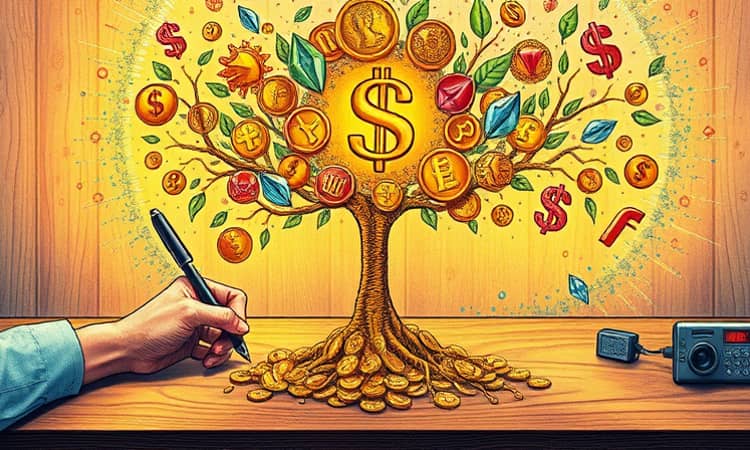
Your money story is as unique as your fingerprint. From childhood observations to adult experiences, comprehensive narrative of an individual's relationship with money shapes every financial decision you make. Whether you grew up in abundance or scarcity, your beliefs and habits form a powerful lens through which you view prosperity and risk. This article will guide you through understanding, transforming, and authoring a new chapter filled with empowerment and abundance.
Understanding Your Money Story
Every individual carries a personal money story—a mosaic of thoughts, emotions, and behaviors that began forming in early life. This narrative influences how you spend, save, invest, and manage debt. While your story represents a tiny fraction of global money experiences, it dominates 80% of your financial worldview, often without conscious awareness.
Your story comprises underlying money scripts—automatic beliefs about worth, security, status, and fear. Common categories include Money Avoidance, Money Worship, Money Status, and Money Insecurity. These scripts trigger emotional and physical responses, from anxiety to joy, guiding decisions before conscious thought takes over.
Origins: Where Your Story Begins
Your earliest impressions of money arise in your family environment. Observing a parent’s anxiety at the mailbox or a grandparent’s tales of hardship can seed beliefs that last decades. Cultural norms, peer influences, and societal messages further layer onto these impressions, creating a complex tapestry of attitudes and expectations.
Beyond immediate family, your community, school teachings, and media narratives shape your understanding of wealth and success. Witnessing peers' lifestyles and cultural attitudes toward money—whether celebration or taboo—further refines your personal script.
Personal milestones such as buying a first house, managing student loans, or investing in retirement accounts leave indelible marks on your beliefs. Each milestone offers lessons in responsibility, risk tolerance, and self-worth tied to your financial achievements. Over time, ancestral experiences and stories, even those you never directly witnessed, pass through generations, instilling hidden scripts about worth, security, and abundance. This transmission highlights how inherited beliefs from your ancestors continue to guide behaviors today.
Psychological and Financial Impacts
Your money story is more than nostalgia—it has measurable effects on your financial health. Research shows that deep-seated beliefs can predict income levels, credit scores, and net worth. These unconscious scripts impact relationship dynamics with partners, colleagues, and even children, shaping conversations about budgets, investments, and shared goals.
At the core lies a tension between scarcity and abundance. Those entrenched in scarcity often fear risk, avoid vulnerable conversations, or fixate on never having enough. Conversely, abundance-minded individuals may overspend or underestimate long-term planning needs. Cultivating a scarcity versus abundance mindset balance is essential for sustainable prosperity.
These scripts travel with you into relationships. Couples often clash when one partner’s childhood taught that debt is disgraceful, while the other regards it as a tool for opportunity. Navigating these differences demands empathy, clarity, and shared vision for financial goals and values.
Real-Life Examples: Reflecting Your Story
Consider these common profiles and how they illustrate the power of money stories:
Steps to Rewrite Your Money Story
Transforming your narrative requires intention, compassion, and persistence. Follow these key steps:
- Awareness and reflection: Honor both pain and joy as you chart your past experiences.
- Identify recurring money scripts: Listen for whispers like “I don’t deserve it” and trace their origins.
- Rewrite limiting financial beliefs: Retain useful lessons while discarding disempowering tales.
- Embrace an abundant money mindset: Establish goals, emergency funds, and habits that foster confidence.
- Engage in open dialogue: Share insights with partners or professionals to build mutual understanding.
- Lifelong commitment: Revisit and refine your story as your life and priorities evolve.
Expert Insights and Tools
Experts emphasize the transformative power of narrative. Financial therapists like Bari Tessler and Kathleen Burns Kingsbury guide clients through systemic money patterns, while psychologists like Dan McAdams highlight the role of stories in providing identity and coherence. In his book, Morgan Housel reminds us that “people create stories to make sense of their lives,” underlining why financial literacy must marry emotional awareness.
Tools like You Need A Budget, Mint, and automated saving apps can reinforce new patterns. Journaling prompts—exploring questions like “What does money mean to me?”—can unearth unseen narratives. Therapists specializing in financial health offer workshops and group programs to help you reframe beliefs and build supportive communities. Combining knowledge with emotional work ensures you make conscious decisions and empowered prosperity an everyday reality.
Taking Action: Your Next Chapter
Now is the moment to pick up your pen and author a richer, more liberating money story. Begin by journaling reflections on pivotal experiences and setting clear, measurable goals like establishing a three-month emergency fund or automating savings contributions. Use reminders or habit-tracking apps to reinforce positive behaviors.
Seek conversations with loved ones or professionals who honor your past while championing your future. Remember, your money narrative need not define your worth; it can become a source of wisdom, resilience, and purpose. With each deliberate choice, you transform your money story into a testament of freedom and abundant possibility.