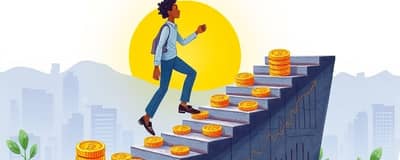
In 2026, the world grapples with a stark financial divide that shapes lives and futures.
Extreme global wealth inequality sees the top 10% holding 75% of all assets, while the bottom 50% scramble with just 2%.
This disparity fuels deep-seated anxiety, with 32% of Americans expecting their finances to worsen.
Yet, within this data lies a powerful narrative of hope and empowerment.
Breaking free from these constraints is not just possible; it is a journey we can all embark on.
The Stark Reality of Global Inequality
The scale of wealth concentration is staggering and structural.
Since the 1980s, middle-class wages have stagnated, while elites benefit from capital ownership.
Regional gaps are immense: North America enjoys over €3,800 per month, while Sub-Saharan Africa averages €300.
This inequality is mirrored in environmental impacts, with the richest 10% responsible for 77% of capital-based emissions.
To visualize this, consider key projections for 2026.
These numbers highlight systemic barriers that perpetuate poverty and limit opportunity.
Wealth concentration at the top is not just an economic issue; it affects politics and climate justice.
2026 Economic Headwinds and Personal Pressures
Looking ahead, economic predictions paint a challenging picture for many.
Inflation is projected to hover around 3.0% in early 2026, with prices up 25% since 2020.
Interest rates will remain in a higher "new normal," making loans and mortgages expensive.
Key trends for 2026 include:
- Inflation easing to 2.6% by year-end.
- Fed funds rate dropping to 2.75%-3.25%.
- Wealth growth for holders above $5 million at 8.2% annually.
- Generational wealth shift with Gen X and Millennials surpassing boomers by 2030.
These factors squeeze household budgets, especially with U.S. debt hitting $18.33 trillion.
Inflation and debt pressures are primary drivers of financial pessimism.
Credit card debt has peaked at $1.2 trillion, with APRs near 20%.
This creates a cycle where 46% of Americans carry balances, hindering financial health.
Exposing Personal Financial Constraints
Personal finance surveys reveal deep-seated concerns and varied goals.
Only 34% expect their finances to improve, down from 44% previously.
Reasons for pessimism are multifaceted, often rooted in daily struggles.
- 78% cite inflation as a key worry.
- 55% point to political uncertainty.
- 46% struggle with stagnant income.
- 25% are burdened by existing debt.
Financial goals also show generational divides, with baby boomers more likely to have no goals.
Personal financial constraints are exacerbated by a lack of actionable plans.
However, 44% of people plan immediate action, indicating a desire for change.
Top goals include paying down debt (19%) and seeking higher income (14%).
This reflects a growing awareness of the need for proactive steps.
Pathways to Unleashing Your Wealth
Empowerment begins with concrete, achievable strategies tailored to individual circumstances.
Debt reduction should be a priority, starting with high-interest credit cards.
Creating a budget is essential for tracking spending and identifying savings opportunities.
Actionable paths to empowerment can transform financial outlooks.
Consider these steps to build momentum:
- Prioritize debt payoff using methods like the snowball or avalanche techniques.
- Diversify income through side hustles or career advancement.
- Build an emergency fund to cover unexpected expenses.
- Monitor spending habits to avoid unnecessary credit reliance.
- Explore savings options that yield returns above inflation, such as high-yield accounts.
Tools for financial monitoring can provide clarity and motivation.
For example, setting small, incremental goals can lead to significant progress over time.
Breaking free from debt is often the first step toward financial freedom.
Additionally, seeking higher-paying jobs or additional income streams can accelerate wealth accumulation.
Savings strategies should focus on consistency, even with small amounts.
Systemic Changes and a Hopeful Future
Beyond personal actions, broader systemic shifts offer hope for reducing inequality.
Policy reforms, such as progressive wealth taxes, could redirect resources to social programs.
Investing in human capital and financial literacy is crucial for long-term equity.
Systemic barriers to equality require collective effort to dismantle.
Key areas for systemic improvement include:
- Implementing wealth taxes to fund climate and social initiatives.
- Reforming financial systems to reduce exploitation of developing nations.
- Promoting generational wealth transfers to younger cohorts.
- Encouraging corporate responsibility in wage growth and sustainability.
The generational shift in wealth ownership may bring new perspectives on equity.
By 2030, Gen X and Millennials are projected to hold more wealth than boomers.
This could lead to innovative approaches to finance and investment.
Generational wealth shifts present opportunities for inclusive growth.
Economic predictions also show potential for stability, with inflation moderating over time.
Embracing these changes can foster a more resilient financial ecosystem.
Call to Action: Seizing Control Today
The journey to financial freedom starts with a single step, no matter how small.
Begin by assessing your current financial situation honestly.
Set clear, achievable goals, such as paying off a credit card or saving $500.
Strategies for higher income and debt management are within reach.
Take inspiration from the 44% who are already planning immediate action.
Remember, wealth is not just about accumulation; it is about security and opportunity.
By breaking free from constraints, you can build a future of prosperity and hope.
Start today, and unleash your wealth potential.