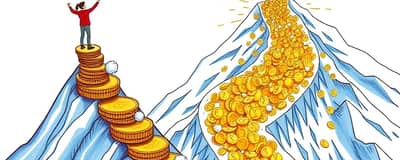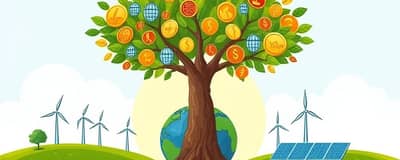
In an ever-evolving world, your most valuable asset is not tied to physical wealth but to something far more dynamic: the economic value of your skills. This is human capital, the sum of your knowledge, abilities, and health that grows with every investment you make.
Think of it as an appreciating asset like equipment, starting before birth and accumulating throughout life. Unlike finite resources, it can multiply in value, offering a bridge to future opportunities amid technological shifts and economic changes.
By investing in yourself, you mirror the strategies of successful businesses, enhancing productivity for higher returns. This builds personal wealth over time, ensuring you stay relevant and thrive in a competitive landscape.
Why Human Capital Matters in Your Life
Human capital theory, rooted in the 1960s, emphasizes that underinvestment leads to depreciation, much like neglected equipment. For individuals, this means skill gaps can emerge from rapid advancements.
Investing in your human capital is not a luxury; it is a necessity for financial stability and growth. It transforms your potential into tangible rewards, akin to how businesses boost profitability.
From education to wellness programs, every effort compounds, creating a foundation for lifelong success. Enhanced skills deliver greater rewards, positioning you for promotions and income growth.
The Tangible Benefits of Personal Investment
Investing in your human capital yields numerous benefits that parallel business outcomes. These advantages can be categorized for clarity and action.
Key benefits include higher productivity, wage increases, and improved employability. For example, skill-building directly correlates with career advancement and economic resilience.
Engagement and retention improve as you become more invested in your own growth. This fosters a positive environment where feedback is welcomed and innovation thrives.
Leadership identification becomes easier when you actively develop your talents. Exposure to diverse experiences enhances creativity and adaptability, giving you a competitive edge.
On a broader scale, personal human capital investment fuels economic growth, much like national development through education and health initiatives. It acts as a catalyst for societal progress.
This table illustrates how personal efforts align with organizational strategies, highlighting measurable outcomes like engagement boosts.
Practical Ways to Invest in Your Human Capital
Taking action on human capital investment involves concrete steps that anyone can implement. Start by creating a personal development plan to track progress.
Budget forecasting for courses and certifications is crucial, similar to business expense systems. Allocate resources for high-ROI programs that enhance skills and motivation.
- Education and degrees for foundational knowledge.
- Online courses and workshops for continuous learning.
- Mentorship and professional coaching for guidance.
- Industry conferences to stay updated on trends.
- Wellness initiatives to maintain health and focus.
Seek environments that support growth, such as employers offering tuition aid. A lifecycle approach ensures investments from early childhood to adulthood are optimized.
Measure your ROI by tracking skill gains and income uplift. Focus on areas that boost engagement, as highly engaged individuals tend to outperform.
- Soft skills like emotional intelligence and communication.
- Stretch assignments to challenge your abilities.
- Networking to build confidence and relationships.
- Self-onboarding into new fields or projects.
- Administrative tasks like time management.
Balance short-term actions with long-term planning to avoid skill gaps. Use tools like personal dashboards to monitor expenses and goals.
Measuring Success and Overcoming Challenges
Success in human capital investment is not just about financial gains; it includes personal fulfillment and adaptability. Track engagement and motivation levels as key indicators.
Statistics show that high engagement correlates with significant growth, such as the 4x earnings-per-share increase noted in business contexts. Apply this to personal development for similar rewards.
- Set clear metrics like skill acquisition rates.
- Monitor income changes over time.
- Assess network expansion and opportunity attraction.
- Evaluate mental agility and problem-solving improvements.
- Review overall life satisfaction and fulfillment.
Challenges include disparities in access to opportunities, as seen in global contexts. To overcome this, prioritize effective use of resources and seek reciprocal growth environments.
Risks of neglect include diminishing returns and increased vulnerability to economic shifts. Maintain skills to avoid obsolescence, similar to equipment upkeep.
- Address gaps through targeted training.
- Stay informed about industry changes.
- Build resilience through continuous learning.
- Foster a growth mindset for adaptability.
- Leverage community support and mentorship.
In the 20th century, education gains led to unprecedented progress, yet inequalities persist. Personal effort can bridge these gaps, ensuring you reap the benefits.
Conclusion: Treat Yourself as Your Prime Asset
Investing in your human capital is more than a strategy; it is a lifelong commitment to growth. Unlock your potential for financial freedom by treating your skills as invaluable assets.
Start today with small steps, whether through online learning or networking. The journey transforms not just your career but your entire life perspective.
Remember, every investment compounds, leading to a future of opportunities and resilience. Embrace this path to personal and economic prosperity, and watch your human capital flourish.