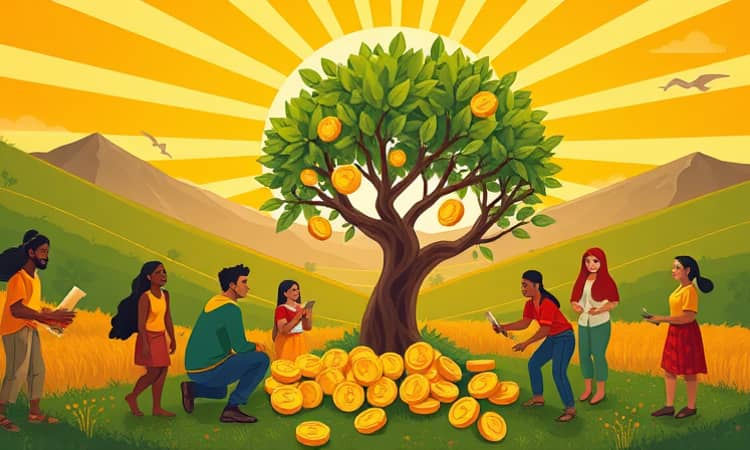
Across America, the chasm between the affluent and the struggling has never been wider. While some families accumulate vast fortunes, others grapple with debts and stagnation. The bottom 20% of households by income hold just a sliver of the nation’s wealth, underscoring a challenge that demands both empathy and urgent action. In this exploration, we dive into the statistics, uncover the root causes, and propose practical pathways to foster a more equitable society.
The Current State of Wealth Distribution
As of early 2025, the top 10% of earners own nearly all U.S. wealth, while the bottom fifth of households share a scant 3%. Among the ultra-rich, the nation’s dozen billionaires now command over $2 trillion—an astonishing surge of 193% in recent years. Meanwhile, all U.S. billionaires saw their fortunes swell by more than $2 trillion since 2020. These figures paint a stark picture: economic gains have disproportionately favored those already at the top.
Generationally, younger Americans own only $1.35 for every dollar that baby boomers held at the same age, though recent revisions show slight improvements. Across racial groups, disparities remain entrenched, with Black median wealth at just 15.5% of white levels and Hispanic wealth at 21.8%. A troubling quarter of Black and Latino families reported zero or negative net worth in 2019, double the white rate.
Root Causes of Growing Disparities
Wealth inequality is not an accident but the result of deep structural forces. Differences in early education and school quality channel advantages to those with resources, while others face low savings rates and high debt that limit life choices. Homeownership, a primary vehicle for building assets, is skewed by historical discrimination and current lending biases.
- Structural Factors: Underfunded schools, uneven access to financial services, and predatory lending.
- Racial Barriers: Centuries of exclusion and persistent wage discrimination.
- Policy Skew: Tax codes and subsidies that favor high earners over working families.
The Human Toll of Inequality
Beneath the headlines, millions face impossible trade-offs—between rent and medicine, debt and opportunity. Families with annual incomes under $15,000 confront daily economic stress, while the wealthiest households reap tens of millions in gains. Inflation and the end of pandemic relief sharpened these divides, yet overall asset values remain above pre-COVID peaks for the wealthy. In contrast, the bottom 20% have gained less than $8,500 over the past five years, leaving many households one crisis away from financial ruin.
The emotional weight of inequality cannot be overstated. It erodes trust in institutions, fosters resentment, and undermines social cohesion. But it also invites collective resolve. By understanding the forces at play, communities can mobilize to enact meaningful change.
Policy Pathways to a Fairer Future
True progress requires a multifaceted approach. Policymakers must combine economic, educational, and social interventions to level the playing field. Progressive tax reforms on wealth can curb runaway gains at the top, while targeted investments build opportunity from the ground up.
- Wage and Employment: Raise the minimum wage, strengthen overtime rules, and guarantee fair hiring practices.
- Education and Human Capital: Invest in universal pre-K, fully fund Pell Grants, and ensure guarantee quality education for all.
- Asset-Building and Safety Nets: Implement baby bonds, expand retirement savings plans, and bolster programs that protect low-income families.
- Health and Family Support: Provide comprehensive healthcare, paid family leave, and a robust child allowance.
Building Momentum: Community and Individual Action
While policy shifts require legislative will, individuals and communities have roles to play today. Financial literacy programs can empower families to manage debt and savings. Community development financial institutions offer fair credit to underserved areas. Grassroots coalitions can press for school funding and housing initiatives, ensuring voices from every neighborhood are heard.
At the personal level, small steps—like joining a credit union, opening a savings account, or advocating for local wage increases—can generate ripple effects. Collective action and sustained effort lay the groundwork for broad social change.
Charting a Course for Change
The wealth gap represents both a moral challenge and an opportunity. By confronting the inequities in our economic system, we reaffirm a shared belief in fairness and possibility. Policymakers, businesses, and citizens must unite behind bold ideas—universal early-life wealth accounts, equitable tax structures, and invest in early childhood development initiatives—to build a future where prosperity is within reach for all.
The journey toward economic justice demands patience and persistence. Yet history shows that committed coalitions can reshape policy and expand opportunity. As individuals, we must continue to learn, advocate, and support reforms that break down barriers. Together, we can transform the narrative from despair to hope and chart a path where every person enjoys the dignity of financial security and the promise of real opportunity.