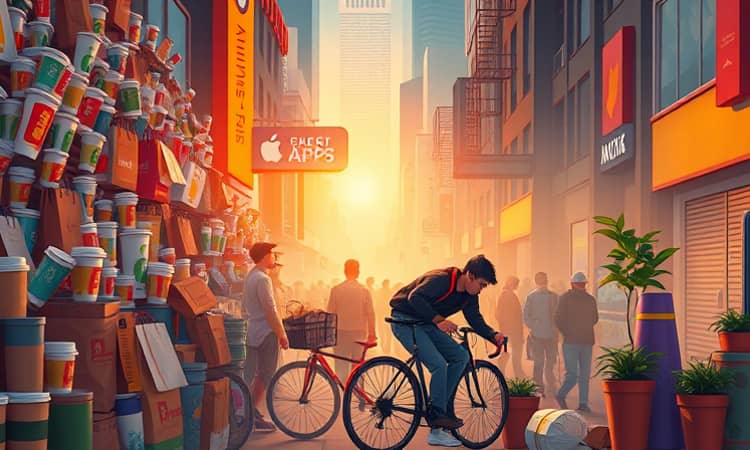
Every day, we reach for the easiest option, from one-click shopping to ready-made meals. But beneath the surface of our relentless pursuit of instant gratification lies a web of hidden impacts that shape our planet, our communities, and our own sense of time.
In this article, we peel back the layers of convenience culture to understand its true cost and discover how we can reclaim patience, purpose, and power in our daily lives.
What Is Convenience Culture?
At its core, convenience culture celebrates speed and ease. It thrives on making processes frictionless, from food delivery to digital streaming. Yet this same culture often eclipses values like craftsmanship, community, and long-term thinking.
Convenience encourages us to prioritize shortcuts, eroding our ability to solve problems independently and deepening our reliance on disposable solutions.
Systemic Drivers Behind Convenience
Modern economies and urban designs are engineered for rapid consumption. Under a cognitive ease bias in decision-making, we instinctively choose the path with the least resistance.
- Capitalist markets fuel on-demand models and rapid innovation.
- Aggressive marketing convinces us that time saved equals happiness gained.
- Urban infrastructure favors drive-throughs, 24/7 stores, and delivery networks.
Retail parks and e-commerce platforms have capitalized on this momentum, reporting average annual returns above 6% over the last decade.
Hidden Costs of Convenience
While convenience hides its price tag in low upfront costs, the real price is paid elsewhere—often by the environment, workers, and our own well-being.
Environmental Impact
The “take-make-dispose linear model” of production leads to staggering waste. Single-use plastics, fast fashion fabrics, and pre-packaged meals fill landfills and pollute oceans.
Global life cycle assessments reveal that convenience products carry high hidden carbon footprints and accelerate resource depletion, directly conflicting with a circular economy framework for sustainability.
Social and Health Consequences
Convenience foods, often high in sugar, salt, and preservatives, contribute to rising obesity rates and chronic illnesses. At the same time, on-demand entertainment and food delivery reinforce sedentary habits and isolation, weakening community bonds.
Basic skills like sewing or cooking from scratch are declining—today, one in three people cannot even thread a needle. This erosion of basic life skills undermines individual resilience.
Economic and Labor Realities
Behind the slick veneer of quick services lies a workforce often underpaid and overworked. Gig workers and supply-chain laborers absorb the true cost of our convenience, widening social inequalities.
What seems like a universal benefit for consumers can actually mask fragmented value and exploit vulnerable communities.
The Paradox of Time Saving
Convenience promises us more hours in the day, yet people report feeling busier than ever. Decision fatigue from endless choices, returns from impulse purchases, and the pressure to stay connected all contribute to a constant state of rushed living.
Ironically, investing time in slower, more deliberate actions often yields greater satisfaction and reduces stress.
Key Data at a Glance
Shifting Towards Sustainable Habits
True liberation comes from questioning defaults. Embracing repair and reuse culture shift and slow consumption and mindful living not only reduces waste but restores dignity to skills once taken for granted.
- Support local artisans and repair shops.
- Opt for reusable vessels and natural fabrics.
- Buy secondhand or borrow before purchasing new items.
Practical Steps to Rethink Your Habits
Transforming habits starts with small, consistent changes. Each choice reverberates through our communities and ecosystems.
- Cook one meal from scratch each week to rebuild cooking skills.
- Schedule a monthly repair session for clothing, gadgets, or furniture.
- Create a community swap or sharing group for tools and equipment.
By consciously choosing alternatives, we challenge the narrative that faster is always better and reinforce values of patience and resourcefulness.
Conclusion
The convenience that surrounds us is a powerful force—one that shapes our environment, our societies, and our inner lives. Yet we hold the keys to its redefinition.
Through mindful choices, community collaboration, and a renewed respect for time, we can reorient our habits towards long-term well-being over immediate convenience. The journey may be slower, but its rewards are profound—for ourselves and the world we share.