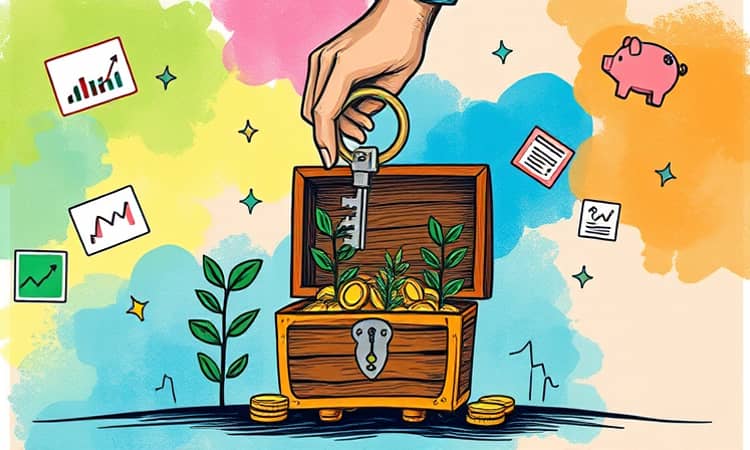
In today's dynamic economic landscape, achieving financial security requires more than just saving; it demands a strategic approach to growth and resilience.
This toolkit is designed to empower you with practical resources and insights, transforming uncertainty into opportunity for a brighter financial future.
By mastering these tools, you can build a foundation that not only withstands inflation but also maximizes long-term wealth accumulation, ensuring peace of mind and prosperity.
Building a Solid Foundation: Budgeting and Expense Management
Effective budgeting is the cornerstone of any successful financial plan. Start by tracking your expenses rigorously to uncover spending patterns and identify areas for improvement.
This process reveals where your money goes, from fixed costs like rent to discretionary spending on dining out or subscriptions.
Use systems like the 50/30/20 Rule to allocate funds efficiently: 50% for needs, 30% for wants, and 20% for savings and investments.
Alternatively, zero-based budgeting ensures every dollar has a purpose, promoting mindfulness and reducing waste.
Trim costs strategically with small, sustainable changes that compound over time.
- Track expenses daily using apps or spreadsheets.
- Review and adjust your budget monthly.
- Cut back on non-essentials, like reducing takeout or canceling unused subscriptions.
- Apply the 24-hour rule for impulse purchases to avoid regret.
- Align spending with your core values and financial goals.
These steps create a proactive cash flow system that supports growth without sacrificing lifestyle quality.
Leveraging Tax-Advantaged Accounts for Accelerated Growth
Tax-advantaged accounts are powerful tools for boosting savings through tax-free or tax-deferred growth.
Max out contributions to accounts like 401(k)s, HSAs, and Roth IRAs to reduce taxable income and enhance future wealth.
Prioritize based on your liquidity needs and tax bracket to avoid overcommitting.
Consider Roth conversions before 2026 to lock in lower taxes and reduce future required minimum distributions.
- Focus on accounts that offer tax-free growth opportunities for retirement or education.
- Utilize new tax breaks, such as the increased SALT deduction cap to $40,000.
- Explore 529 plans for education savings with state-specific benefits.
This strategic use of accounts can significantly accelerate your financial progress.
Strategic Year-End Moves to Optimize Your Finances
As the year winds down, proactive planning can enhance your financial position and set the stage for growth.
Key actions include managing required minimum distributions, harvesting tax losses, and optimizing charitable giving.
For those aged 73 or older, ensure RMDs are taken to avoid penalties and use excess funds for gifting or qualified charitable distributions.
Tax-loss harvesting allows you to offset gains and up to $3,000 of ordinary income by selling underperforming investments.
- Check withholding with the IRS estimator to adjust W-4 forms and avoid surprises.
- Donate appreciated stocks to charities for a full fair market value deduction without capital gains.
- Review health insurance options during open enrollment, especially HSA-eligible plans.
- Spend down flexible spending account balances before year-end to prevent loss.
- Consider gifting strategies for family members to support their financial needs tax-efficiently.
These moves not only reduce tax liabilities but also align with long-term goals, making every dollar count.
Growing Your Wealth: Investment and Income Strategies
Diversification and smart investment choices are essential for building wealth over time.
Incorporate a mix of assets, such as ETFs, annuities, and peer-to-peer loans, to create multiple income streams.
Annuities can provide guaranteed income, while litigation finance or other alternatives offer stable returns without overload.
Focus on predictable income sources that complement your risk tolerance and financial objectives.
- Diversify across tax-exposed and tax-advantaged accounts to balance growth and liability.
- Use Roth accounts for tax-free legacy building and heirs' benefits.
- Explore international options, like those in Germany or the Netherlands, for added stability.
- Regularly review and rebalance your portfolio to stay aligned with market conditions.
- Invest in tools that offer personalized insights for ongoing financial security.
This approach ensures resilience and steady progress toward your aspirations.
Putting It All Together: A Holistic Approach
Integrating these tools into a cohesive plan requires regular review and adaptation to changing circumstances.
Start by assessing your fixed expenses, emotional spending triggers, and subscription bloat to eliminate waste.
Connect your financial actions to personal values for sustainable motivation and growth.
If overwhelmed, prioritize actions like managing RMDs and Roth conversions first to maximize impact.
- Conduct a holistic financial review annually to track progress and adjust strategies.
- Use FAQs and reviews to stay informed on resilient planning against inflation.
- Remember that small, consistent steps lead to significant long-term results.
- Seek professional advice when needed to optimize complex decisions.
- Celebrate milestones to maintain enthusiasm and commitment to your financial journey.
By embracing this toolkit, you can transform financial challenges into opportunities for empowerment and growth.
Each resource, from budgeting to investing, works synergistically to build a secure and prosperous future.
Take action today to unlock your potential and achieve the financial freedom you deserve.