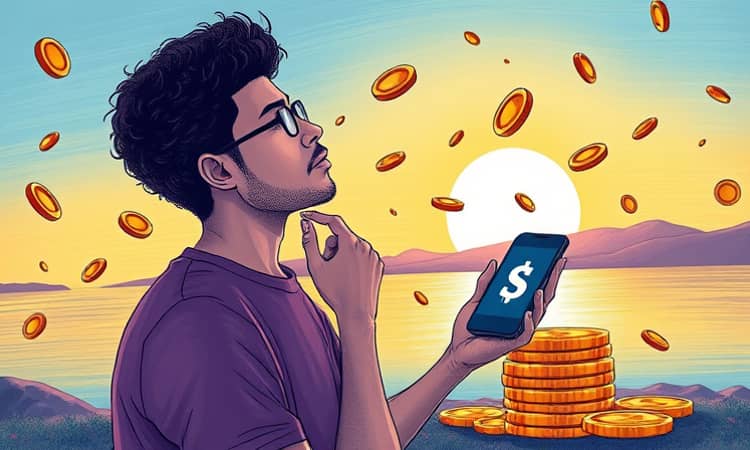
Every time you swipe your card or tap your phone, a complex web of emotions, beliefs, and cognitive shortcuts shapes your decisions. Uncovering these hidden drivers not only demystifies why shopping can feel exhilarating but also reveals practical pathways toward greater financial well-being and intentional living. By embracing the insights from modern psychology and neuroscience, you can transform impulsive urges into mindful choices and craft a financial life aligned with your deepest values.
Unraveling Spendception in the Digital Age
At the heart of modern consumer behavior lies the concept of spendception, a blend of “spend” and “perception” that captures how digital payment systems alter our relationship with money. As physical currency fades, our minds struggle to recognize the true cost of everyday transactions.
Spendception emerges from four critical dimensions: the psychological visibility of spending, perceived spending control, ease of digital payment, and emotional detachment. Together, these factors dismantle the natural brakes our brains impose when parting with cash. Through contactless cards and mobile wallets, we experience reduced psychological barriers to spending, making each transaction feel lightweight and abstract.
Founded on the pain of paying theory, spendception highlights how the discomfort of handing over tangible money acts as a safeguard against overspending. Digital systems mute this discomfort, enabling rapid-fire purchases on everything from coffee to concerts. In Shanghai’s bustling streets, for instance, consumers complete dozens of taps per day without ever touching a note of cash, illustrating how technology reshapes the very fabric of commerce.
Emotional Drivers: Dopamine, Stress, and Impulse
Behind every purchase is a neural dance of reward and reinforcement. Anticipating a new gadget, fashion item, or gourmet meal activates parts of the brain associated with pleasure, flooding your system with dopamine—the chemical behind sensations of excitement and accomplishment.
Yet this biochemical high can become cyclical. Imagine scrolling through social media: you spot a limited-edition sneaker, feel a rush, and click “buy.” The dopamine spike rewards the behavior, encouraging a repeat performance whenever the next impulse strikes. Over time, this pattern can mimic addictive tendencies, leaving you chasing fleeting highs through retail therapy.
Compounding this, emotions like boredom, loneliness, and sadness often trigger unplanned spending as a form of self-medication. Those burdened by financial insecurity may oscillate between frugality and impulsive splurges, trapped by a scarcity mindset and feel anxious about both spending too much and saving too little. Recognizing this emotional loop empowers you to seek healthier coping strategies—such as exercise, creative hobbies, or social connection—that replace the temporary thrill of a purchase with lasting fulfillment.
Shaping Your Money Mindset
Your relationship with money is woven from threads of early memories, cultural narratives, and personal beliefs. Perhaps you recall tension around the dinner table when a bill arrived, or stories of unexpected windfalls shared by a grandparent. These imprints shape your automatic reactions, whispering messages like “spend to feel good” or “safety comes from saving every penny.”
Adopting a growth-oriented money mindset begins with heartfelt self-reflection. Ask yourself: “What did I learn about wealth growing up?” or “How do I define success?” Journal your answers, then challenge any limiting beliefs by reframing them: transform “I’m bad with money” into “I’m learning to manage resources wisely.”
By viewing your mindset as malleable rather than fixed, you open the door to new financial habits grounded in empowerment rather than fear. Over time, this shift rewires your neural pathways, turning deliberate choices into automatic responses that align with your long-term vision.
Spending Behavior Types and Money Personalities
People tend to exhibit three primary spending styles, each reflecting deeper motivations:
- Emotional Spending: Buying items as an emotional balm, from online shopping binges after a bad day to spontaneous travel splurges when you crave novelty.
- Values-based Spending: Investing in experiences—concerts, workshops, meaningful gifts—that resonate with personal values and create lasting memories.
- Security-driven Spending: Prioritizing savings and essential purchases, guided by a desire for predictability and financial safety.
Parallel to these styles, your overarching money personality dictates how you balance joy and prudence. The table below profiles three common archetypes and offers tailored strategies to optimize your strengths.
Understanding your default style helps you design safeguards and freedoms that keep spending aligned with your broader life purpose.
The Impact of Digital Payments
Across the globe, digital wallets and contactless technologies have revolutionized commerce. In high-tech hubs, consumers might tap their phone dozens of times daily, often with minimal emotional engagement. This digital environment intensifies the invisibility and emotional detachment of digital transactions, sidelining that vital moment of pause before payment.
Furthermore, social media fuels a consumption culture where peer comparisons and flash sales drive urgency. Every scroll exposes you to curated lives and limited-time deals, stoking fears of missing out. To counteract this, intentionally introduce friction—turn off one-click checkout, add mandatory wait periods, or require an authentication step—to reclaim the decision-making pause.
Interestingly, research reveals that gender identity can moderate impulse buying in digital contexts, suggesting personalized approaches may resonate differently across audiences. By experimenting with diverse tactics—like co-creating budgets with a partner or joining peer accountability groups—you can find the methods that stick.
Practical Strategies to Master Your Spending Habits
Building mastery over your finances involves both mindset shifts and concrete actions. Below are proven practices to guide your journey:
- Identify emotional spending triggers: Keep a spending diary noting your mood, time, and motivation for each purchase. Look for patterns, such as late-night cravings or social media influences.
- Track every single expense: Log all outflows—subscriptions, coffees, digital entertainment—to gain a full picture. Apps or simple spreadsheets work equally well.
- Set clear financial goals: Define short-term targets (e.g., emergency fund) and long-term visions (e.g., home ownership). Break them into monthly milestones to sustain momentum.
- Use cash for daily purchases: Withdraw a set amount each week. Spending tangible bills reinstates the physical reality of money and reduces overspending.
- Practice mindful consumption habits: Before buying, pause and ask, “Will this add real value to my life?” Cultivate gratitude for what you already own to diminish the pull of novelty.
Additionally, implement a 24-hour rule for non-essential purchases. When tempted by an impulse, jot down your desire, then revisit it the next day. Often, the urge fades or meets your budgetary guardrails.
Conclusion: Toward Financial Empowerment
By illuminating the psychological underpinnings of spending—from dopamine-driven rewards to the pain of paying theory—you equip yourself to transform impulsive actions into mindful, values-aligned choices. Each insight and strategy you adopt becomes a stepping stone toward lasting financial health.
Remember, progress is not linear. There will be moments of backsliding, but each instance offers new learning. Celebrate the small victories, whether it’s resisting a sale or automating a savings transfer. Over time, these deliberate decisions accumulate into significant change.
Embrace this journey with compassion and curiosity. As you gain mastery, you’ll discover that the true reward lies not in the things you buy, but in the confidence and freedom you cultivate. Step forward with intention and let your spending reflect the life you truly desire.