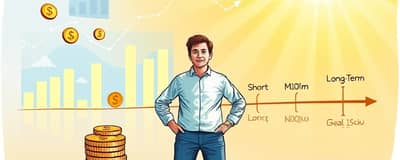
Money shapes every aspect of our lives, yet it remains wrapped in emotion and belief. We rarely recognize that most financial decisions stem from feelings rather than cold calculation. By exploring the hidden forces behind our spending and saving, we can reclaim control and align our money habits with our deepest values.
Foundations of Money Psychology
At its core, money psychology examines how our minds interpret value, risk, and security. Unlike simple arithmetic, it explores the emotional and psychological relationship with money that guides everyday choices. Recognizing these influences helps us move beyond instinctive reactions.
Research shows that roughly 90% of our financial choices are driven by emotion and just 10% by logic. This imbalance highlights why logical budgets alone often fail—our hearts override spreadsheets when fear, joy, or stress take charge.
Emotional Influences in Financial Decisions
From childhood memories to cultural norms, emotions weave through every transaction. Feelings like excitement can fuel impulsive buys, while guilt might prevent us from rewarding ourselves even when we deserve it.
- Fear of running out of money
- Guilt over spending on luxuries
- Stress-induced impulse purchases
- Boredom-driven retail therapy
- Happiness leading to celebratory splurges
When emotions dominate, we often assign inflated value to purchases, derailing long-term goals like saving for retirement or paying off debt. Emotional spending can become a self-defeating cycle unless we introduce pauses and perspective.
Cognitive Biases and Behavioral Triggers
Beyond raw emotion, subtle mental shortcuts—cognitive biases—shape our financial behavior. From the instant gratification over long-term benefits that fuels impulse buys to the sunk cost fallacy that traps us in unwise commitments, these hidden forces can be powerful.
- Sunk Cost Fallacy
- Confirmation Bias
- Overconfidence in personal judgment
- Herd Mentality when others invest
- Present Bias favoring today’s reward
- Scarcity Mindset that hoards resources
For example, the availability of Buy Now, Pay Later services taps directly into instant gratification over long-term benefits, encouraging purchases that may not align with our budget or goals. Meanwhile, fear of missing out during market booms can lead to overconfident bets and significant losses.
Money Personality Types
Each person tends to follow a distinctive money personality, reflecting a combination of upbringing, beliefs, and emotional triggers. Understanding your type provides clarity on why certain strategies succeed or fail for you.
Practical Strategies for Improvement
Awareness is the gateway to change. By naming the emotions, biases, and patterns at play, we gain the power to introduce healthier habits. The following strategies offer a roadmap to more mindful money management.
- 48-Hour Cooling-Off Period for major buys
- Automate savings, debt payments, and investments
- Set specific, measurable financial goals
- Practice mindful spending and self-reflection
- Reward yourself for consistent progress
Begin by mapping your money mindset: note recurring thoughts and feelings when you check balances or make a purchase. This level of self-awareness uncovers hidden motivators and allows targeted adjustments.
Next, leverage technology—automating financial decisions removes emotions from routine tasks, ensuring you pay bills on time and save without second-guessing. Automation transforms good intentions into consistent outcomes.
Pair automation with clear objectives: rather than saying "I want to save more," adopt concrete plans that hold you accountable. For instance, commit to depositing a fixed amount into an emergency fund every week and track progress monthly.
Mindfulness practices can also reshape spending habits. Pause before buying, ask whether the purchase serves a genuine need or attempts to soothe emotions, and celebrate every milestone—no matter how small.
Building Financial Wellness Through Psychology
True financial wellness transcends numbers. It combines disciplined practices with a compassionate understanding of your inner world. By confronting biases, honoring emotions, and adopting strategic habits, you craft a path to lasting stability and contentment.
Ultimately, money is a tool that reflects and amplifies our values. Embracing a mindset of growth and reflection—driven by a deeper understanding of your motivations—can transform anxiety into empowerment. Let this journey into the psychology of money guide you toward choices that enrich both your bank account and your sense of self.