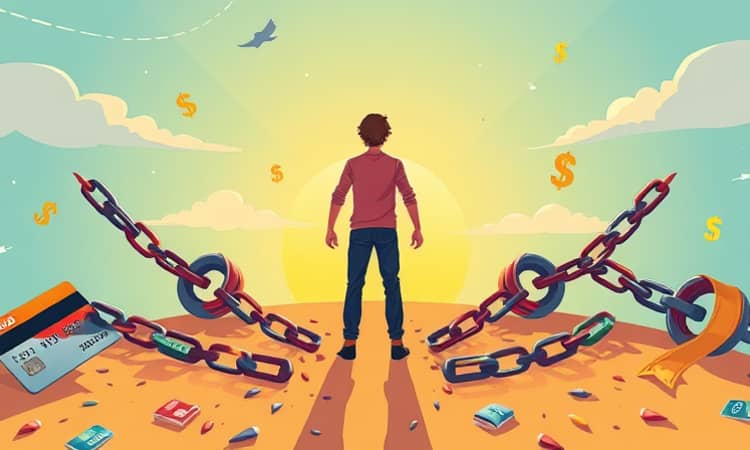
Debt touches the lives of millions, shaping their choices, emotions, and future prospects. Understanding its psychological grip is the first step toward reclaiming control and building a brighter financial tomorrow.
Scope of the Debt Problem
Debt is no longer an exception; it has become embedded in the modern household. Approximately 77% of American households carry some form of debt, from mortgages to credit cards and student loans. In the second quarter of 2019, U.S. households collectively owed a staggering $13.86 trillion in total debt, illustrating how deeply borrowing has permeated everyday life.
Consumer debt falls into several major categories:
- Mortgages – Large balances tied to housing, often considered “good debt” due to the asset behind it.
- Credit card debt – Revolving balances with high interest rates, driven by impulse purchases and instant gratification.
- Student loans – Long-term obligations disconnected from current consumption, often felt as a pure burden.
- Other loans – Auto loans, personal loans, and buy-now-pay-later programs, each with unique psychological impacts.
These figures reveal not just a fiscal challenge but a social and psychological phenomenon: debt has become an accepted norm, reshaping expectations and behaviors around borrowing.
Psychological Mechanisms Driving Debt
Why do people accumulate debt even when they know the risks? Behavioral economics and psychology offer powerful insights into the invisible forces at play.
Instant gratification and present bias drive many credit card balances. When a purchase is made on plastic, the painful sensation of parting with cash is delayed, reducing friction and encouraging impulsive buying sprees. Individuals tend to overweight short-term pleasure and underestimate how quickly interest and balances will mount.
Social comparison exacerbates the issue. Images of aspirational lifestyles on social media fuel a desire to “keep up,” leading to borrowing beyond one’s means. With credit cards, it is easy to temporarily mimic higher incomes, only to face a mounting pile of debt later.
Research on the hedonics of debt uncovers additional biases that lenders exploit:
- Focus on monthly payment over total cost – Consumers fixate on affordable monthly rates, ignoring the larger sum of interest paid over time.
- Duration neglect and payment illusions – Extending a loan’s duration while keeping payments steady rarely deters borrowing.
- Overweighting final payments – Large end-of-term balances are feared, yet small recurring fees go unnoticed.
These biases make complex credit offers seem manageable, even when they compound financial strain. Recognizing these mental shortcuts is key to resisting predatory terms and making informed decisions.
Emotional and Mental Health Consequences
Debt can impose a heavy emotional toll, extending far beyond bank statements. Persistent balances often lead to chronic stress, anxiety, and a sense of helplessness when repayments outpace income growth.
Studies show that student loans, in particular, are strongly linked to lower life satisfaction. Unlike mortgages, which are paid while enjoying the benefit of a home, student debt payments occur only after the consumer has finished using the education, amplifying the mental burden of debt.
Debt aversion and shame also emerge as powerful forces. Some people develop coping strategies that backfire, such as ignoring bills, delaying calls to creditors, or outright denial. While avoidance may temporarily reduce stress, it often triggers late fees, escalating balances, and deeper shame—a vicious cycle.
Under severe financial strain, relationships can suffer, leading to conflicts over money, reduced trust, and isolation. The weight of debt can erode self-esteem and fuel a bleak outlook on the future, undermining overall well-being.
Personality, Attitudes, and Debt Behavior
Attitudes toward debt vary widely. In a national survey, 56% of respondents admitted being uncomfortable with borrowing. Those with high debt aversion held significantly lower balances—about $25,000 less debt on average—indicating that personal beliefs can act as a self-imposed brake on spending.
Family culture and social norms transmit these attitudes across generations. In households where debt is stigmatized, children often grow up with a cautious approach to borrowing. Conversely, environments that normalize credit cards and loans can foster a casual attitude toward accumulating balances.
Personality traits also play a crucial role. Impulsivity, low financial self-control, and limited future orientation predict higher revolving balances. Meanwhile, conscientious individuals and those with a strong future focus tend to adopt strategies—like automated payments and detailed budgets—that help them stay on track.
Evidence-Based Strategies for Breaking Free
Escaping the cycle of debt requires both head and heart: understanding the underlying psychology and applying disciplined, research-backed practices.
Key behavior-change techniques include:
- Goal setting with milestones – Breaking large targets into achievable steps maintains motivation.
- Visualizing financial freedom – Regularly imagining life after debt can strengthen long-term resolve.
- Implementing accountability systems – Sharing progress with a partner or coach boosts responsibility.
Digital tools and apps can reinforce these tactics, sending reminders, tracking spending patterns, and offering tailored tips. For those with deeper emotional distress, seeking support from financial therapists or peer groups can alleviate feelings of isolation and shame.
Embracing a New Financial Mindset
Breaking free from financial chains is not solely about numbers; it involves reprogramming beliefs and habits. Cultivating gratitude for what is already within reach, reframing setbacks as learning opportunities, and celebrating every victory—no matter how small—nurtures resilience.
True transformation emerges when individuals recognize that long-term financial freedom is built one deliberate choice at a time. By understanding the forces that drive overspending, confronting the emotional weight of obligations, and adopting proven strategies, anyone can chart a path toward a more secure, empowered future.
Debt need not define your life. With insight, intentional action, and the right support systems, the chains can be broken—opening the door to fulfillment, stability, and hope.