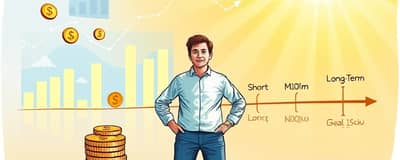
Prosperity is not merely a destination but a journey charted through deliberate choices and visual milestones. This guide lays out a step-by-step blueprint, using engaging charts to illuminate each phase of your financial ascent.
Through compelling narratives, concrete examples, and clear visuals, you will cultivate the mindset, tools, and strategies needed to transform small contributions into lasting wealth.
Mindset for Prosperity
Every journey begins within. To build a sustainable financial future, start by nurturing a growth mindset pyramid that elevates your beliefs about money.
Cultivate a purpose-driven view of finances, recognizing that money serves as a foundation for a meaningful life. Replace shame and anxiety with literacy and curiosity. When setbacks occur, see them as opportunities for learning rather than roadblocks.
Embrace frugality over fleeting appearances. Simple habits—like saving $20 to $100 each month for your child—build confidence and reinforce your commitment. Practice mindfulness to align spending with values, preventing impulse purchases that derail long-term goals.
Financial Assessment
Before you climb, you must gauge your starting point. Conduct a comprehensive review of your income, expenses, assets, and liabilities. Use a bar graph to compare inflows and outflows, revealing gaps and strengths.
- List all income sources and amounts
- Document recurring expenses and debts
- Calculate net worth: assets minus liabilities
- Set SMART goals, such as saving a 20% down payment within two years
Cash Flow and Budgeting
Converting assessment into action requires a robust budgeting framework. Allocate each dollar with intention: pay yourself first, then cover needs and wants.
Visualize this process with an income-to-savings funnel chart. Allocate roughly 50% to essentials, 30% to discretionary spending, and 20% to savings or debt reduction. Adjust percentages to fit your unique situation, but maintain the principle of prioritizing future stability.
Risk Management and Safety Nets
True ascent demands protection against unexpected storms. Build an emergency fund covering three to six months of expenses, illustrated by an emergency fund growth curve that compounds contributions over time.
Supplement your safety net with appropriate insurance—health, life, and disability—to shield against catastrophic costs. Diversify income by exploring rental properties, dividend-paying stocks, or side ventures. A multi-stream approach enhances resilience.
Debt Optimization and Frugality
Debt can erode your progress if left unchecked. Adopt a debt snowball or avalanche method, focusing on high-interest balances first while maintaining minimum payments on others.
Track your payoff journey with a debt payoff timeline that runs in parallel with a small investment growth chart. Witness how redirecting freed-up payments into investments accelerates wealth accumulation alongside debt reduction.
Investing Strategies
Compounding is your most powerful ally over the long term. Consider low-fee index funds like Vanguard Small-Cap Value (VSAX), which has averaged 13.5% annual returns. A single $10,000 investment 53 years ago could be worth over $8 million today.
For younger savers, custodial Roth IRAs offer an exceptional vehicle. A modest $100 monthly contribution from birth to age 18 could grow to $50,000–$100,000, assuming 7–13% average returns. Use line charts to compare conservative versus aggressive growth paths.
- Balance equities, bonds, and real estate according to risk tolerance
- Rebalance portfolios annually to maintain target allocations
- Leverage gift assets—every $100 gift can become $200–$400+ over time
Tax Planning and Efficiency
Taxes can erode returns, so optimize your strategy to preserve gains. Utilize tax-advantaged accounts, deductions, and credits. Compare pre- and post-optimization returns in a concise bar chart to see the impact of efficient tax planning.
Minimize investment fees—choosing a 0.07% expense ratio fund over a 2% alternative can save you hundreds of thousands over decades.
Retirement, Education, and Legacy
Set your sights beyond immediate goals to retirement and generational wealth. Early funding of retirement and education accounts compounds exponentially. A multi-decade projection will illustrate the stark contrast between starting at age 25 vs. 45—often a gap exceeding $1 million.
Estate planning ensures your wealth transfers smoothly. Schedule reviews after major life events—marriage, children, career changes—to keep your plan aligned with evolving circumstances.
Ongoing Adaptation
Financial landscapes shift. Conduct annual reviews and adjust your strategy in response to market changes, personal milestones, and global events. A milestone roadmap chart can track your progress: Year 1—Emergency fund built; Year 5—Debt-free; Year 10—$250k invested; Year 18—Child’s college fund secured; Year 30—Retirement ready.
Pursue continuous education using budgeting apps, investment platforms, and economic news. Remember: knowledge leads to plan, which breeds confidence and ultimately independence.
Key Metrics at a Glance
Embarking on the Prosperity Pathway transforms abstract goals into concrete milestones. With the right mindset, clear assessment, disciplined habits, and strategic investments, you can ascend from financial baseline to lasting wealth. Chart your course, commit to continuous growth, and let each visual reinforce your progress.
Knowledge → Plan → Confidence → Independence