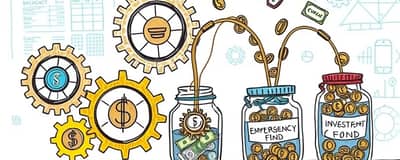
In a world that often encourages excess, adopting a frugal lifestyle can feel revolutionary. By shifting focus from acquisition to intentional living, anyone can break cycles of debt and build lasting security. This article offers a comprehensive guide to transforming your mindset, optimizing spending habits, and cultivating wealth—and maintaining joy along the way.
From budgeting fundamentals to investment strategies, you’ll find practical steps drawn from time-tested principles. Embrace a lens of abundance in moderation, and discover how small, deliberate choices lead to remarkable long-term financial freedom.
Mindset Shift: Embracing Frugality Over Cheapness
True frugality begins in the mind. Resist lifestyle inflation by defining what “enough” means for you. Frugal living centers on conscious decisions aligned with values, while cheapness prioritizes the lowest price over quality and satisfaction.
By internalizing a philosophy of value-based conscious spending, you prioritize experiences, relationships, and security over accumulating possessions. The FIRE movement (Financial Independence, Retire Early) highlights how disciplined saving and investing unlock freedom. Rather than scrimping at the expense of happiness, frugality invites you to select high-impact expenses and find joy in simplicity.
- Higher savings rates and debt freedom
- Reduced reliance on consumerism for happiness
- Strengthened financial consciousness
- Breaking the paycheck-to-paycheck cycle
Budgeting Fundamentals: Building Your Spending Plan
Successful frugality depends on a clear spending plan. Start by tracking every expense—use budgeting apps or a simple spreadsheet. Categorize purchases into needs, wants, and savings or debt payments. This process reveals hidden costs and empowers intentional choices.
Several popular allocation rules guide beginners. Consider which aligns with your goals:
Adopt zero-based budgeting to assign every dollar a purpose or practice the envelope system to cap spending in physical envelopes. Remember, a budget is a flexible spending blueprint, not a restrictive cage.
Tracking Goals and Celebrating Progress
Set specific, timed financial goals—an emergency fund covering 3–6 months of expenses, debt payoff, or investing milestones. Use apps or spreadsheets to monitor your journey and flag overspending.
To sustain motivation and avoid burnout, incorporate small rewards when you hit milestones. A modest celebration—like a special meal or an afternoon off—provides a positive feedback loop and combats frugal fatigue.
Daily Habits: Saving on Essentials
Small, consistent changes in daily routines add up to substantial savings. In the kitchen, meal planning saves money and reduces waste. Shop with a list, cook large batches for leftovers, and limit dining out to special occasions.
- Buy staples in bulk when prices are low
- Cancel underused subscriptions and streaming services
- Opt for library books and digital resources over paid entertainment
At home, invest in energy-efficient appliances, optimize your thermostat, and reduce water usage. Pack lunches three days a week to save hundreds each month. Turn no-spend weekends into opportunities for free community events or nature walks.
Smart Spending Strategies: Maximizing Value
Distinguish genuine needs from fleeting wants. Seek pre-owned or refurbished electronics, furniture, and clothing. Research thoroughly before major purchases—this often leads to better warranties and longer product lifespans.
Use strategic credit card benefits: low utilization, paying off balances monthly, and leveraging cashback or rewards programs on essential bills. Maintain a minimalist digital environment by removing shopping apps, reducing temptation.
- Purchase high-quality items that last longer
- Leverage discounts, coupons, and reward points
- Compare transit passes versus car ownership for commuting
Automation and "Pay Yourself First"
Automate transfers to savings, retirement accounts, and emergency funds immediately upon pay receipt. Treat savings contributions as nonnegotiable bills to build balances without thinking.
Utilize employer-sponsored 401(k) or 403(b) plans, especially matching contributions. Explore HSAs and FSAs for pre-tax health spending. For short-term parking of cash, consider high-yield savings accounts, money market funds, or CDs for better interest than standard accounts.
Debt Management: Clear the Path to Freedom
Deploy either the snowball method—tackling smallest balances first—or the avalanche method—targeting highest interest rates. By paying more than minimums consistently, you accelerate progress and save on interest.
Ensure debt repayment remains a priority in your chosen budget rule. Reducing debt frees up future income for investing and essential living.
Investing for the Future
Begin with an emergency fund equal to three to six months of living expenses. Once established, maximize contributions to tax-advantaged accounts—401(k), IRA, or Roth IRA. Invest primarily in low-cost index funds to harness compounded growth over time.
For supplemental income, explore passive streams such as real estate crowdfunding or dividend-paying stocks. Aim for savings rates above 50% of income if pursuing aggressive financial independence.
Sustainability and Avoiding Frugal Fatigue
Avoid all-or-nothing extremes by budgeting for joys and hobbies. Gratitude practices—journaling about small wins—reinforce positive momentum. Change up routines periodically to keep frugality engaging rather than monotonous.
Simple challenges, like the 52-week savings plan (starting with $1 in week one up to $52 in week fifty-two, saving a total of $1,378), provide structure and a sense of achievement.
Lifestyle and Entertainment on a Budget
Seek free or low-cost outings: museum free days, public parks, community concerts, or library events. Many institutions offer discounts for students, seniors, or military families.
By planning cost-effective social gatherings—potluck dinners, board game nights, or group hikes—you maintain connections without high expenses. These shared experiences often bring more lasting joy than costly outings.
Frugality is not deprivation, but empowerment. By cultivating a mindful spending mindset, automating good habits, and celebrating each step, you build resilience and freedom. Each dollar you save is a vote for the future you desire—financial security, choice, and peace of mind. Start today by embracing one small change, and watch as consistent efforts compound into life-changing wealth.
Remember, the art of saving isn’t a one-time sprint; it’s a lifelong pursuit. Stay curious, stay flexible, and above all, stay committed to the journey. The Frugal Financier in you awaits—let the transformation begin.