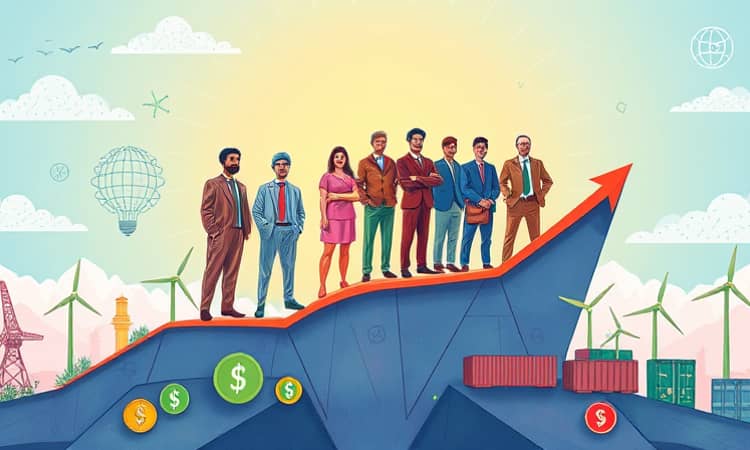
As the world enters 2026 with growth projected at 2.7% in global GDP expansion, policymakers and business leaders face a complex web of headwinds and opportunities. A confluence of tariffs, high debt levels, and geopolitical tensions threatens to stall progress, while consumer resilience and targeted innovation offer glimmers of hope.
United Nations Secretary-General António Guterres warned of a “mix of economic, geopolitical, and technological tensions generating new economic uncertainty.” Against this backdrop, nations must adopt bold strategies to ensure that recovery does not stall and that the most vulnerable populations benefit from sustainable growth.
Understanding 2026’s Economic Landscape
Global forecasts for 2026 converge around a modest recovery. The United Nations projects below-trend trade growth at 2.2%, while the IMF offers an optimistic 3.3% estimate. Regardless of the exact figure, the consensus is clear: growth will fall short of the pre-pandemic 3.2% average without decisive action.
Headline inflation is easing to an estimated 3.1%, down from 3.4% last year, but cost-of-living pressures remain acute. In the United States, personal consumption expenditure inflation lingers at 2.7%, driven by a 4.2% surge in electricity prices and an 8.5% rise in medical care costs. Wage growth is failing to keep pace, fueling an affordability crisis that undermines consumer confidence.
Regionally, momentum is uneven. Advanced economies grapple with softening labor markets and residual tariff drag, while emerging markets confront high debt burdens and climate shocks. Latin America’s growth hovers around 2.3%, Western Asia leads at 4.1%, and the European Union slows to 1.3%. China focuses on rebalancing toward domestic consumption, and frontier markets like Argentina aim for 3.5% growth through reforms in taxation, labor, and capital liberalization.
Key Risks and Emerging Challenges
- Tariffs and trade barriers undermining exports
- High public and private debt constraining policy
- Geopolitical shocks disrupting supply chains
- Stagnant real incomes and welfare pressures
- Asset bubbles and sudden market corrections
These risks are compounded by labor market uncertainties and potential policy gridlock in major economies. The World Economic Forum ranks economic downturn and inflation among the top rising short-term threats. Without preemptive action, even modest shocks could trigger a broader negative spiral.
Debt sustainability is a pressing concern for many developing countries. With limited fiscal space, they face trade-offs between essential social spending and debt servicing. Meanwhile, geoeconomic fracturing and climate-related disasters heighten volatility in commodity markets, threatening food and energy security.
Strategies for Building Resilience
At the heart of a durable recovery lies monetary, fiscal, industrial coordination. Central banks and treasuries must align to manage inflation expectations while fostering sustainable investment. A narrow focus on interest rates will not suffice; targeted industrial policies can channel resources into critical sectors such as energy, infrastructure, and digital technologies.
- Implement strategic social protection measures
- Rebuild fiscal buffers and manage public debt
- Design tax reforms to boost productivity
- Promote labor market modernization
Temporary fiscal interventions can shield vulnerable households from cost-of-living shocks, while medium-term reforms—privatization, capital liberalization, and trade diversification—catalyze growth. Argentina’s recent energy and mining liberalization offers one blueprint, delivering both investment and social dividends.
International coordination is equally vital. Multilateral development finance institutions must scale up climate and infrastructure funding, closing the financing gap in low-income countries. Open trade systems, underpinned by credible dispute-resolution mechanisms, will bolster confidence and diffuse geopolitical friction.
Unlocking Opportunities with Innovation
Technology and AI stand out as catalysts for higher productivity and new growth avenues. Data centers, digital services, and smart grids offer fertile ground for investment, yet stretched valuations warrant caution. As PwC’s Bruce Crow reminds us, “Resilience in the face of disruption isn’t automatic.” Prudent risk management must accompany enthusiasm for emerging technologies.
Energy transitions present complementary upside. Renewable energy hubs in Latin America, grid modernization in North America, and targeted subsidies in Europe can mitigate price volatility and bolster long-term competitiveness. By intertwining green and digital strategies, policymakers can amplify impact and create sustainable employment.
Conclusion: Embracing a Path Forward
Overcoming 2026’s challenges demands a coalition of the willing—governments, private sector actors, and multilateral institutions. A blend of targeted social protection measures, structural reform, and innovative investment can tip the balance toward a more inclusive and robust recovery.
By adopting a proactive stance and remaining vigilant against emerging threats, stakeholders can transform risk into opportunity. In doing so, the world may yet attain a renewed chapter of sustainable growth and shared prosperity, proving that the greatest rescuer may be the power of collective determination.