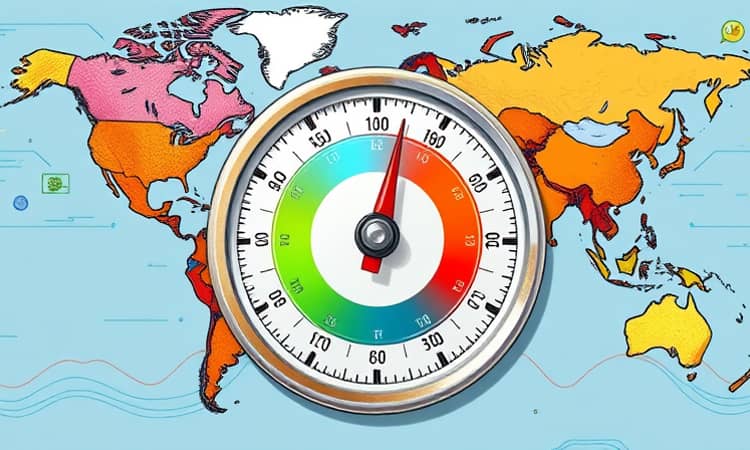
In a world buffeted by trade tensions, shifting monetary policies, and emergent climate risks, understanding the financial climate has never been more vital. Like a mariner scanning instruments before a voyage, investors, policymakers, and businesses must learn to interpret the myriad signals that foreshadow economic storms or sunny skies ahead. This article guides you through the gauges and dials of the global economy, offering both inspiration and practical frameworks for making well-informed decisions.
Understanding the Global Macro Environment
The starting point for any barometer reading is the broad macroeconomic landscape. Major institutions from the IMF to the UN present forecasts that, while varied in precision, converge on one theme: a moderate yet fragile recovery characterized by growth rates below-pre-pandemic average growth. In 2025, global GDP is projected to range between 2.3% and 3.2%, a clear step down from the pre-pandemic average of 3.2% per year observed in the decade before 2020.
These projections reflect not only current economic momentum but also the fading impact of pandemic-era fiscal supports, rising debt levels, and persistent policy uncertainty. Advanced economies are expected to grow at roughly 1.5%, while developing markets maintain growth just above 4%. Yet these headline figures mask significant regional divergences and volatility risks.
This compact table distills key forecasts into a quick reference. Remember that each institution applies different weightings to trade, investment, and policy assumptions. By comparing multiple sources, you avoid anchoring on a single estimate and build a nuanced appreciation of growth trajectories.
Key Barometer Indicators and How to Read Them
Beyond headline growth, the true art of barometer reading lies in weaving together signals from real activity, prices, and financial markets. Monitoring a core set of indicators can reveal turning points before they appear in GDP statistics.
- Real Economy Metrics: GDP growth rates across regions, manufacturing output, and trade volumes.
- Labour Market Conditions: unemployment rates, wage growth, and job vacancies, reflecting resilient labour markets and consumption.
- Price Dynamics: inflation trends, core CPI measures, and producer prices that guide central bank decisions.
- Financing Conditions: interest rates, credit spreads, and lending standards signaling stress or ease.
- Fiscal Health: budget deficits, public debt ratios, and fiscal stimulus impacts on growth.
By tracking these indicators in tandem, you create a composite picture: for example, falling unemployment alongside slowing trade may signal weakening productivity gains. Likewise, rising credit spreads paired with policy uncertainty often presage market corrections.
Financial-Market Conditions and Vulnerabilities
Financial markets serve as both barometers and amplifiers of economic change. Elevated asset valuations, wide credit spreads, and volatile capital flows can point to underlying vulnerabilities, even when macro data appear benign.
After years of accommodative monetary policy, central banks in advanced economies are navigating a delicate path. With inflation descending but still above target in some regions, policymakers weigh the risks of overtightening against the dangers of falling behind the curve. This delicate balancing act, combined with subdued growth amid uncertainty, requires investors to stay vigilant.
The Climate-Finance-Economy Nexus
Today’s barometer must also account for climate-related shocks. Extreme weather events, carbon pricing regimes, and shifts in energy demand all feed into financial stability and growth prospects. As climate-related financial risks intensify, the growing field of green finance reshapes capital allocation toward sustainable projects.
Consider how a prolonged drought can constrict agricultural output, raise food inflation, and spur social unrest. These dynamics ripple through commodity markets, bond yields, and sovereign credit ratings. Ignoring environmental risks can leave portfolios exposed to sudden repricing, underscoring the importance of green finance shaping the outlook.
Institutions are now integrating climate stress tests into their central scenario planning. This evolution underscores the need for investors to embed environmental data into their own barometer readings, ensuring they capture a full spectrum of risks and opportunities.
Navigating Risks and Opportunities
No barometer is complete without a weather map. Scenario thinking helps translate raw data into actionable strategies. Here are key downside risks to monitor:
- Escalation of trade tensions and new tariff regimes disrupting supply chains.
- Unanticipated monetary policy shifts triggering market turmoil.
- Sharp commodity price spikes driven by geopolitical or climate disruptions.
- Climate-related disasters straining insurance systems and fiscal budgets.
- Geo-economic fragmentation undermining global cooperation and growth.
Conversely, opportunities arise when policy clarity improves, green investment accelerates, or a deceleration in inflation permits central banks to ease. Identifying these inflection points can generate outsized returns for those prepared to act.
Putting the Barometer to Work
Mastering the economic barometer requires both discipline and flexibility. Establish a dashboard of leading and coincident indicators, and update it regularly. Cross-compare forecasts from multiple institutions to avoid one-sided views. And always layer climate metrics alongside traditional economic signals.
When data diverge—such as resilient employment amid slowing trade—look beyond the surface. Drill into sectoral trends, regional divergences, and policy developments. Use stress tests to quantify potential losses under adverse scenarios, and adjust your risk-weighted exposures accordingly.
Ultimately, reading the financial climate is about proactive adaptation. By sharpening your analytical tools and incorporating a broad set of indicators, you transform uncertainty into strategic insight. Whether you’re a seasoned portfolio manager, a policy analyst, or a business leader, a well-tuned barometer empowers you to navigate choppy economic seas with confidence and purpose.