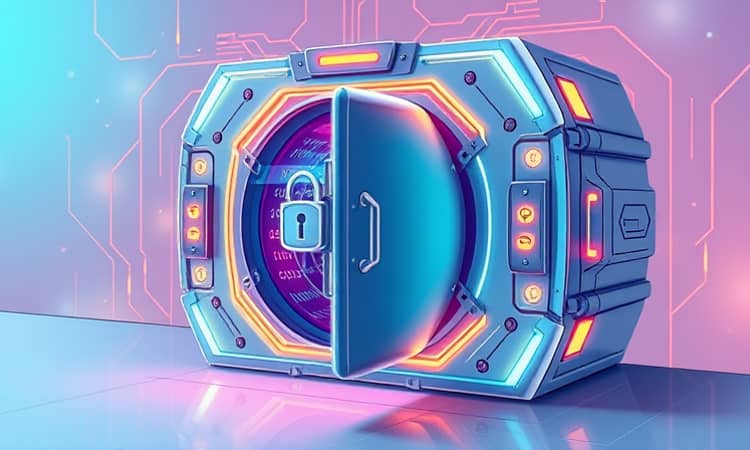
Imagine a world where your digital treasures are as safe as gold in a fortress, shielded from prying eyes and malicious attacks.
This is the promise of a highly secure online platform designed to safeguard your most sensitive information.
With rising cyber threats and data breaches becoming commonplace, the need for robust protection has never been more urgent.
Evolution and Need: From Physical to Digital
For centuries, people relied on physical vaults to store valuables, but the digital revolution has transformed this concept.
Now, digital vaults have emerged as virtual safety deposit boxes for the modern era.
Key drivers include increasing regulatory demands, the explosion of cryptocurrency, and a shift away from risky email and physical files.
These vaults prioritize long-term security over daily transactions, making them essential for preserving legacies.
How Digital Vaults Work: Core Functions and Security
At their heart, digital vaults use advanced encryption mechanisms to convert data into indecipherable ciphertext.
This ensures that only authorized users can access sensitive information through secure keys.
Unlike basic storage solutions, they incorporate multiple layers of protection.
This table highlights how digital vaults excel in security and control.
Key Benefits of Using a Digital Vault
Adopting a digital vault offers numerous advantages that go beyond mere storage.
- Enhanced protection against cyber attacks and data leaks with robust encryption.
- Compliance with strict regulations like SEC Rule 17a4, ensuring legal adherence.
- Improved efficiency in managing assets, reducing clutter and confusion.
- Facilitates digital inheritance, allowing seamless legacy access for loved ones.
- Dramatically reduces the risk of single points of failure through decentralized backups.
These benefits make digital vaults indispensable for anyone with valuable digital assets.
Use Cases and Real-World Applications
Digital vaults are versatile tools used across various sectors to secure critical information.
- In financial services, they serve as central repositories for advisors to store statements and plans.
- For estate planning, they organize legal documents and enable post-death access.
- Crypto enthusiasts use them to backup seed phrases and private keys safely.
- Personal users can manage passwords and IDs, while enterprises share data with teams.
- Organizations like banks leverage them for scalable oversight and collaboration.
This adaptability ensures that digital vaults meet diverse needs effectively.
Security Deep Dive: Components and Threats Mitigated
Understanding the security components is crucial for appreciating a digital vault's robustness.
- Encryption mechanisms include symmetric and asymmetric methods for data integrity and confidentiality.
- Authentication relies on multi-factor options like biometrics and passwords.
- Redundancy involves geographically distributed backups to prevent data loss.
- Protection features scan for malware and resist ransomware attacks proactively.
These elements work together to create a formidable defense against modern threats.
Choosing the Right Solution: Evaluation Criteria
Not all digital vaults are created equal, so careful selection is key to maximizing security.
- Look for platforms with institutional-grade security standards and compliance certifications.
- Evaluate access control features, such as multi-tiered roles and time-limited shares.
- Consider ease of use, especially for non-technical users, to ensure smooth adoption.
- Check for audit trails and monitoring capabilities to maintain oversight.
- Assess cost-effectiveness and scalability based on your specific needs and assets.
This approach helps in finding a vault that aligns with your requirements.
Challenges and Future Trends
While digital vaults offer immense benefits, challenges like varying platform quality and user adaptation persist.
Future trends point towards quantum-resistant cryptography advancements to counter emerging threats.
As technology evolves, these vaults will become even more integral to digital asset management.
Case Studies: Examples of Digital Vault Platforms
Several platforms exemplify the capabilities of digital vaults in real-world scenarios.
- Vault12 Guard uses decentralized peer-to-peer networks for crypto-focused security solutions.
- FutureVault offers cloud-based services tailored for financial compliance and multi-tiered access.
- Bitwarden provides password management with secure sharing features across platforms.
- SideDrawer focuses on advisor-friendly sharing with compliance in mind.
- Other services integrate with estate planning tools, recommended by organizations like AARP.
These examples showcase the diversity and effectiveness of available solutions.
Conclusion: Embracing Secure Asset Management
Digital vaults represent a transformative step in securing our digital lives, offering unparalleled peace of mind.
By adopting these solutions, you can protect your assets from threats and ensure a legacy for future generations.
Take action today to explore digital vault options and invest in a safer digital future.