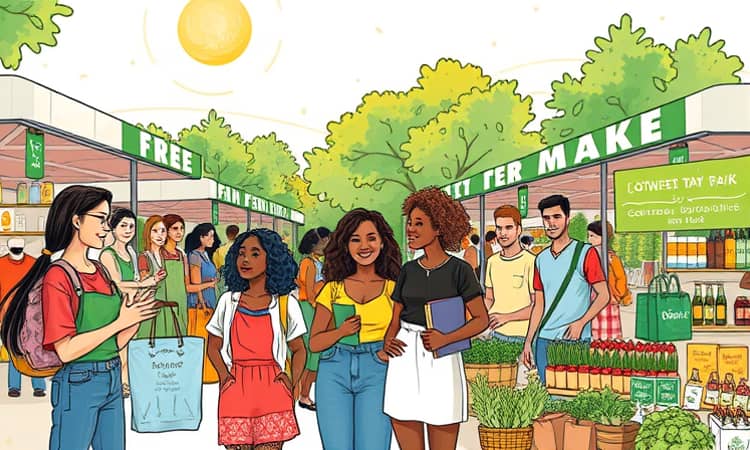
In today’s fast-paced world, consumers are redefining the way they spend, guided not only by price tags but by principles and purpose. According to recent research, a remarkable 69% prefer brands committed to causes. This shift marks the dawn of a new era where each purchase carries meaning and every dollar spent can drive positive change.
At the heart of this evolution lies a simple question: What if our shopping carts could reflect our deepest values? From environmental stewardship to social equity, the conscious consumer movement is transforming markets, fueling innovation, and shaping a more sustainable future.
Rise of Values-Driven Spending
Over the last decade, we have witnessed a dramatic surge in demand for products and services that align with personal values. Today, 62% always or often seek sustainable products, up from 27% just a few years ago. Consumers also show commitment to diversity and inclusivity in their brand choices, signaling a broad cultural shift toward inclusive and ethical practices.
Willing to invest more in companies that mirror their ideals, 58% are willing to pay premium prices for eco-friendly products. As demand for responsible goods climbs, businesses innovate to reduce waste, lower carbon footprints, and ensure ethical labor practices.
Balancing Economic Pressures with Purpose
Economic headwinds and rising living costs have not dampened the spirit of conscious consumers; instead, they have sharpened their focus on value and impact. Rather than indiscriminate belt-tightening, shoppers are strategically reallocating budgets to prioritize what truly matters. For example, 57% of consumers now actively seek deals, while over one-third trade down in certain categories to splurge on meaningful experiences or premium, sustainable items.
Even amid financial concerns, 70% plan to continue shopping off-price retailers, demonstrating that budget consciousness and purpose can coexist. By choosing products that deliver both quality and positive impact, consumers create a personal economic model that sustains their values without sacrificing financial stability.
- 57% actively seek deals, up 23% from last year
- 33% trade down in some areas to invest elsewhere
- 19% cut non-discretionary spending to afford premium discretionary goods
Technology and the New Commerce Landscape
Innovation plays a pivotal role in empowering the conscious consumer. From AI-driven engines to the rise of social commerce, technology is reshaping how we discover and purchase purpose-driven products. AI-driven personalization boosts conversions, enabling shoppers to find ethically sourced items that resonate with their beliefs.
Meanwhile, social commerce blurs entertainment and purchase, with live-streamed events generating billions in revenue. The subscription economy valued at $1.5 trillion offers consumers curated packages of wellness, education, and sustainably sourced goods, all delivered directly to their doorstep.
Though these innovations are powerful, only 41% believe the benefits justify the privacy trade-offs, highlighting the imperative for hyper-personalization balanced with privacy.
- 17% of online sales expected via social commerce by 2026
- Subscription market grew 435% over the past decade
- 65% of shoppers buy creator-founded products
Generational Insights: Shaping Tomorrow’s Spending
Generational differences illuminate the breadth and impact of conscious consumerism. Gen Z leads the charge, with 60% willing to pay extra for sustainability and 91% purchasing creator-founded products. Their digital-first mindset and influence from creators drive rapid adoption of eco-friendly brands and socially responsible initiatives.
Millennials, who form the largest online shopping cohort at 75%, share a passion for value-driven purchasing and sustainability. They are also early adopters of buy now, pay later options, with 39% utilizing BNPL services to manage budgets while supporting the causes they care about.
Prioritizing Wellness, Experiences, and Savings
As spending habits evolve, consumers increasingly channel resources into health, wellness, and memorable experiences. Over 50% plan to increase savings and investments, and categories like home improvement, travel, and preventive wellness technology top their list of “worth it” expenses.
From mindfulness apps to sleep-enhancement devices, the wellness market is on track to exceed $68 billion by 2032. Meanwhile, experiences—especially travel and cultural events—offer lasting value that transcends material goods, fueling a shift toward investments in personal growth and happiness.
- 50% intend to boost savings and investments
- Health and wellness rank among top “worth it” categories
- Experiences outpace apparel and dining for perceived value
Practical Strategies for Conscious Consumers
Embracing conscious consumerism requires intentional action. Here are practical steps to align your spending with impact:
By conducting an annual spending audit, setting values-based budgets, and seeking out brands that match your principles, you can magnify the impact of every purchase. Even small changes—like switching to refillable household products—can lead to significant cumulative benefits.
Looking Ahead: The Future of Conscious Consumerism
Looking toward 2030 and beyond, the power of conscious consumerism will only intensify. Gen Z’s purchasing potential is set to soar through a projected $68 trillion wealth transfer, while innovations in renewable materials, circular economy models, and immersive retail experiences will redefine consumption norms.
For businesses, the message is clear: authenticity, transparency, and commitment to long-term impact are non-negotiable. Brands that invest in sustainable practices, prioritize inclusivity, and harness the potential of AI and social commerce will thrive in a marketplace where consumers vote with their wallets.
Together, conscious consumers and forward-thinking companies can forge a resilient economy—one where prosperity, equity, and environmental stewardship go hand in hand. Every purchase is an opportunity to shape the world. By spending with purpose and impact, we can unlock a future that reflects our highest values and paves the way for collective well-being.