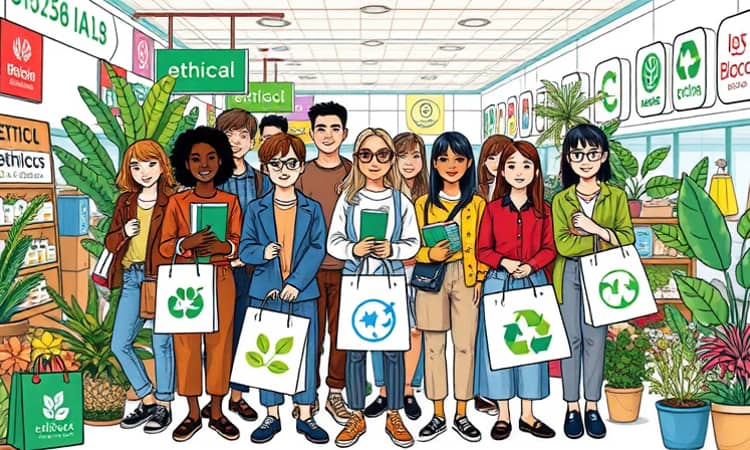
In a world brimming with choices, how we spend our money speaks volumes about who we are and what we stand for.
Conscious consumerism is the practice of making thoughtful, informed decisions that align our purchases with our core beliefs.
It goes beyond mere transactions to create ripples of positive impact across society and the planet.
This movement empowers individuals to vote with their dollars for a better world, turning everyday shopping into a catalyst for change.
Imagine a future where your spending habits support fair labor, reduce waste, and foster inclusivity.
That future is already here, and it's reshaping markets from the ground up.
As consumers become more aware, they demand transparency and accountability from brands.
This shift isn't just a trend; it's a fundamental evolution in how we interact with the economy.
By embracing conscious consumerism, we can drive meaningful progress while fulfilling our personal needs.
Let's explore how this powerful approach is transforming lives and businesses alike.
What is Conscious Consumerism?
At its heart, conscious consumerism involves prioritizing values over convenience or cost.
It means seeking out brands that uphold ethical standards, from fair trade to environmental stewardship.
Consumers are increasingly demanding transparency in supply chains to ensure their purchases don't harm people or the planet.
This practice encourages buying less but better, focusing on durability and sustainability.
Key manifestations include supporting social causes like Black Lives Matter or LGBTQ+ rights through spending.
By boycotting companies that misalign with their values, consumers pressure industries to adapt and improve.
Conscious consumerism moves us from passive buyers to active participants in shaping a just economy.
The Rise of Conscious Consumers: Key Statistics
Globally, awareness and action are skyrocketing among consumers.
Recent data reveals compelling shifts in purchasing behaviors and attitudes.
- 63% of Australians report increased awareness of purchase impacts compared to a year ago.
- 85% of global consumers have bought more sustainable products in the past five years.
- 66% are willing to pay more for sustainable brands, reflecting a growing commitment to ethical choices.
- 72% of consumers globally prefer brands committed to socially conscious causes.
- 54% of Australians exclusively support brands with transparent supply chains.
These numbers highlight a seismic change in consumer priorities.
Despite barriers like higher costs, the momentum toward conscious spending continues to grow.
This trend is fueled by firsthand experiences of climate change and social injustices.
As a result, sustainability is no longer a niche concern but a mainstream demand.
Generational Shifts in Consumer Behavior
Different age groups are driving this movement in unique ways.
Younger generations, in particular, are at the forefront of values-driven spending.
- Gen Z shows 74% heightened awareness of purchase impacts, with 60% influenced by social media.
- Millennials prioritize sustainability, with 75% favoring online shopping for its convenience and transparency.
- Overall, 63% of consumers leave reviews to help others make informed decisions.
- High-income individuals are more likely to maintain or increase their spending on ethical products.
These differences underscore the importance of tailored approaches for brands.
Gen Z is projected to surpass Boomers in purchasing power by 2030, amplifying their influence.
Their preferences are shaping market norms and pushing for greater accountability.
By understanding these trends, we can better navigate the evolving consumer landscape.
Market Trends Shaping 2026 and Beyond
The future of consumerism is being defined by several key trends.
These trends offer insights into where the market is headed and how to adapt.
These projections highlight the intersection of technology, sustainability, and consumer values.
Economic pressures are also influencing spending, with 57% of consumers actively seeking deals.
This leads to strategic behaviors like trading down in some categories to splurge in others.
Brands must navigate these paradoxes to stay relevant and trusted.
Drivers and Behaviors of Conscious Consumers
Several factors motivate individuals to adopt conscious consumer practices.
Understanding these drivers can help us make more aligned choices in our own lives.
- Demand for transparency and ethics in supply chains, with 53% of consumers prioritizing clear origins.
- Values alignment extending beyond sustainability to include social causes and community support.
- Strategic spending in response to economic pressures, such as deal-hunting and cross-category trading.
- Digital influence, especially among Gen Z, where 60% make purchases via influencers.
These behaviors reflect a deeper desire for authenticity and impact.
Consumers are moving from cost-centric to values-centric decision-making.
By leveraging these insights, we can cultivate more mindful shopping habits.
This approach not only benefits the individual but also contributes to systemic change.
Business Implications and Challenges
Brands are responding to the rise of conscious consumers with significant adaptations.
This shift presents both opportunities and hurdles for companies worldwide.
- Opportunities include bundling subscriptions, using AI with privacy balance, and forming creator partnerships.
- Challenges involve closing the intent-action gap by making ethical options more affordable and accessible.
- Businesses must share labor and sourcing data to meet consumer demand for accountability.
- Policies that support ethical practices are crucial for long-term success in this new landscape.
The pressure from conscious consumers is driving market pivots toward sustainability and ethics.
Brands that fail to adapt risk losing relevance and trust among increasingly discerning buyers.
By embracing these changes, companies can build stronger, more loyal customer bases.
This dynamic fosters a healthier economy where profit and purpose go hand in hand.
Broader Impacts and Future Outlook
The ripple effects of conscious consumerism extend far beyond individual purchases.
This movement supports marginalized communities, promotes ethical practices, and encourages sustainable habits.
It pressures companies to innovate and align with higher standards of responsibility.
Momentum from cultural flashpoints and individual actions is sparking widespread movements for change.
By 2026, paradoxes like personalization versus privacy will define new consumer norms.
Nuanced strategies will be essential for navigating this complex terrain.
Global surveys show a warming attitude toward greener living and shopping, indicating continued growth.
Conscious consumerism is not just a passing phase; it's a lasting shift toward a more equitable world.
As we look ahead, our spending choices will play a pivotal role in shaping that future.
Embrace this power by starting small, researching brands, and supporting those that align with your values.
Together, we can build a marketplace where every purchase reflects our commitment to a better tomorrow.