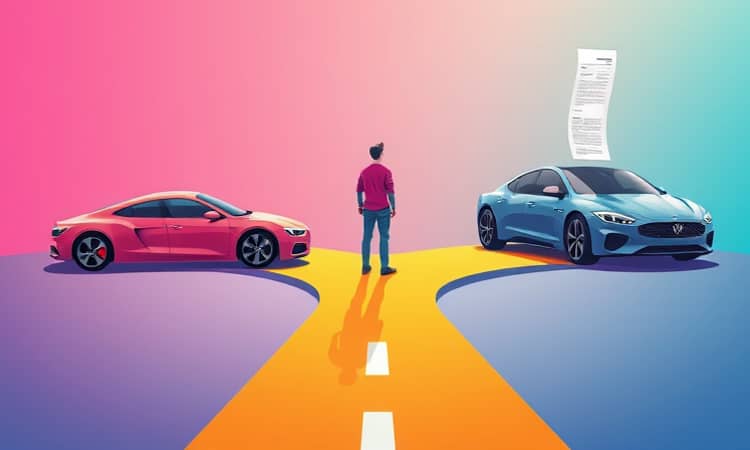
In 2025, navigating the decision to buy or lease a vehicle feels like steering through a financial maze. High interest rates and elevated prices have reshaped the landscape, making every choice pivotal for your wallet and lifestyle.
This guide uses the latest market data to cut through the noise. It empowers you with practical strategies for making informed asset choices that resonate with your personal goals.
Whether you're eyeing a new car or considering other depreciating assets, the principles here can light your path. Your journey to smarter decisions starts now.
The 2025 Automotive Market: A Shifting Landscape
Mid-2025 presents a unique scenario for consumers. Interest rates remain stubbornly high, putting pressure on loan affordability.
New car prices have soared, yet manufacturer incentives are increasingly favoring leases. Lease penetration is recovering from a downturn, targeting historical levels around 30%.
This push aims to boost dealer volume and inventory turnover. Understanding these trends is crucial for aligning your choice with economic realities.
- Average monthly payments: $682 for loans, $659 for leases as of June 2025.
- Lease penetration rose from 17-18% during the downturn, indicating a shift.
- Manufacturers are aggressively marketing leases to maintain sales momentum.
Financial Face-Off: Buy vs. Lease Costs
Digging into the numbers reveals the true cost over time. Leases often offer lower upfront payments, but long-term ownership can yield savings.
For example, two consecutive three-year leases typically cost thousands more than buying and owning for six years. Savings accelerate if you keep the vehicle for nine years or more.
Tax implications vary widely, especially in regions like California. Here, leasing can provide significant tax advantages by only taxing monthly payments.
This table highlights how each option caters to different financial priorities. Careful consideration of these factors can prevent costly mistakes.
Lifestyle Alignment: Finding Your Fit
Your daily habits play a massive role in this decision. Leases come with mileage limits, usually 10,000 to 12,000 miles per year.
Exceeding these limits incurs fees, making leases less ideal for high-mileage drivers. Tech enthusiasts might prefer leasing to upgrade every two to three years.
This ensures access to the latest safety features and innovations. Maintenance risks are lower with leases, as vehicles remain under warranty.
- Leasing suits those who avoid high mileage and love new technology.
- Buying is better for drivers who need unlimited miles or enjoy customization.
- Consider your tolerance for repair costs and desire for flexibility.
Special Cases: EVs, Credit, and Regional Nuances
Electric vehicles add a layer of complexity. Rapid market changes, like price drops, make leasing attractive to avoid depreciation hits.
Credit scores also influence options. Lessees typically have higher FICO scores, averaging 728 compared to 715 for buyers.
Regional differences, such as in California, offer tax savings for leases. Here, leasing can save hundreds per month over buying.
- EVs benefit from leasing due to fast-evolving battery technology.
- Good credit opens up better lease deals and lower payments.
- Always check local tax laws to maximize savings.
Your Decision Framework: A Step-by-Step Guide
To simplify this dilemma, assess your profile against key criteria. Leasing might be your best bet if you prioritize lower payments and frequent upgrades.
Buying shines for long-term keepers who value equity buildup. Use online calculators to compare total costs over various timeframes.
Tools from Edmunds or Consumer Reports can provide tailored insights. Never skip negotiation, even for leases; haggle on price and mileage terms.
- Lease if: You avoid high mileage, love tech, plan short-term ownership, have good credit, or use for business.
- Buy if: You drive high miles, intend to keep the vehicle 5+ years, or want to build equity.
- Always negotiate the MSRP down to secure the best deal possible.
This framework empowers you to make choices that align with both financial and personal goals. Personalization is key to avoiding regret.
Navigating Risks and Future Trends
Both options carry inherent risks. Leasing can lead to infinite payment cycles if you continuously re-lease.
Early termination penalties are steep, often discouraging mid-lease changes. Buying faces risks like front-loaded interest and prolonged periods of being upside-down.
Emerging trends in 2025 include a plunge in lease returns, tightening the used car market. This trend benefits lessees by potentially increasing vehicle availability.
- Lease returns dropped 41% in early 2025, impacting used inventory.
- Payments for loans and leases are converging, with leases offering more stability.
- Monitor market shifts to time your decisions advantageously.
Staying informed helps mitigate these risks. Embrace tools that track depreciation and residual values for smarter planning.
In conclusion, the buy vs. lease decision is deeply personal. It hinges on your finances, lifestyle, and future aspirations.
By applying the insights and frameworks shared here, you can navigate this dilemma with confidence. Make choices that not only save money but also enrich your driving experience.
Remember, the best asset choice is one that grows with you, whether through ownership equity or flexible mobility.