Barter, the age-old practice of trading goods and services directly, is experiencing a remarkable modern-day resurgence. From local community swaps to global digital platforms, bartering has evolved to deliver innovative solutions that address creativity, sustainability, and resilience. In this article, we explore the historical roots, economic drivers, and practical benefits of bartering for individuals and businesses alike. By embracing strategic swapping over spending, you can conserve precious cash reserves and unlock the full potential of your skills and assets.
Historical Roots of Barter
Long before coins or paper money emerged, people exchanged items of value directly. The classic narrative depicts a farmer trading grain for a blacksmith’s tools, illustrating the essence of barter as a simple system of need-driven exchange. This form of commerce required a double coincidence of wants, meaning both parties had to simultaneously desire what the other offered. While effective on a small scale, traditional barter’s inherent inefficiencies—lack of standardized value measurement and challenges in storing perishable goods—limited its broader adoption.
Despite these limitations, barter laid the groundwork for later monetary systems. Economists and historians often view it as the precursor to money, a means to overcome the difficulties of direct swaps. In many remote or informal economies, direct barter still plays a vital role, reinforcing community bonds and leveraging local networks to move goods and services.
Modern Drivers Fueling Barter’s Resurgence
Today, economic pressures and technological advances have rekindled interest in trading without cash. In periods of high inflation and rising interest rates, businesses and individuals seek ways to conserve liquidity. Barter offers an appealing alternative, allowing participants to preserve working capital while obtaining essential goods or services. This mechanism has gained traction especially in markets facing supply chain disruptions and unpredictable tariff adjustments.
The advent of digital platforms has revolutionized the barter landscape. Mobile apps, online marketplaces, and social media now facilitate direct exchange without any cash change, transcending geographical boundaries and reducing friction. Participants may earn trade credits, spendable across a network of members, creating an indirect network of multilateral credit trades that alleviates the classic “double coincidence” constraint.
In 2025, significant tariff adjustments in the United States led to higher import duties on electronics, home furnishings, and media products. These additional costs—often ranging from 10% to 25%—forced many small and medium enterprises to re-evaluate procurement strategies. By integrating barter exchanges, companies could circumvent traditional cash transactions and obtain critical inventory at stable, pre-tariff-equivalent valuations. As a result, several regional barter networks saw membership increase by upwards of 30% within months of the new trade measures.
Unlocking Value Through Digital Barter Platforms
Modern barter exchanges deploy cutting-edge technologies to match needs and offers efficiently. AI-driven recommendation engines analyze user profiles, transaction histories, and value metrics to suggest optimal matches. Secure identity verification protocols and transparent rating systems foster trust, ensuring fair and reliable trades. By harnessing cutting-edge AI matching tools, these platforms streamline negotiations and significantly reduce time spent finding suitable barter partners.
Beyond pure goods and services, digital barter platforms have expanded to embrace experiences, travel accommodations, and even partial data exchanges. In some arrangements, users “pay” with personal data, participating in a novel form of non-monetary exchanges of digital data that underscores the flexibility and creativity of modern barter systems.
Quantifying the Market: Growth and Projections
The global market for barter platforms is steadily expanding. From a valuation of USD 541.74 million in 2024 to an expected USD 573.76 million in 2025, projections indicate robust growth, with forecasts estimating USD 872.62 million by 2032 at a CAGR of approximately 6.13%. This upward trend reflects growing acceptance of barter in both B2B and C2C segments and underscores its increasing relevance in a diverse range of sectors.
Legacy data from 2010 indicate over 450,000 U.S. businesses engaged in barter activities, supported by nearly 400 commercial barter companies worldwide. While more recent figures are scarce, anecdotal evidence and platform-specific reports suggest that both B2B and C2C barter communities have continued to grow, particularly in regions experiencing economic volatility. Emerging markets in Asia-Pacific and Latin America show accelerated adoption, driven by rising smartphone penetration and strong community-based trading traditions.
Benefits for Individuals and Businesses
Bartering offers a multitude of advantages. For individuals with fluctuating incomes, such as freelancers or gig workers, exchanging services secures essential needs without depleting savings. Likewise, small businesses leverage barter to conserve cash reserves, acquire new marketing or design services, and optimize inventory management.
- Cash conservation during tight credit cycles
- Monetizing underutilized skills and idle resources
- Building networks and fostering building community resilience and social capital
- Accessing services otherwise beyond reach due to budget constraints
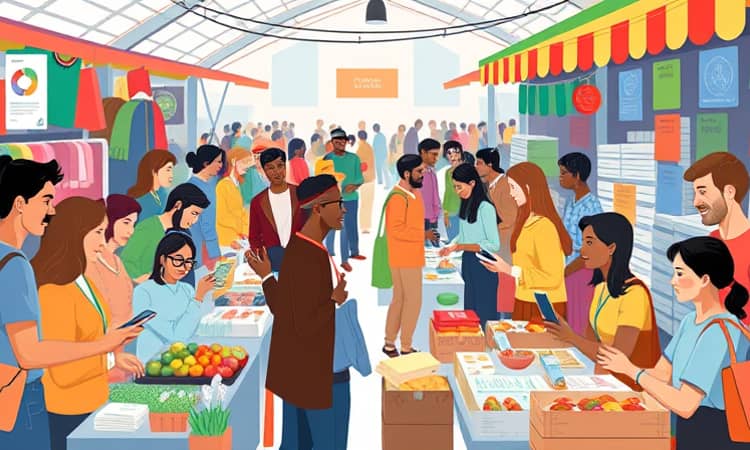
Consider a graphic designer exchanging branding services for legal consultation, or a restaurant offering meal credits to a photographer in return for professional imagery. Such trades not only preserve cash but often yield more customized, high-quality outcomes than off-the-shelf purchases. In many communities, skills trading events and pop-up swap fairs foster creativity and local collaboration, further illustrating barter’s capacity to build tangible networks of mutual assistance.
Implementing Barter in Your Life and Business
Getting started with barter begins by identifying your tradable assets—skills, physical goods, or professional services—and valuing them realistically. Next, research reputable barter platforms or local networks that align with your objectives. Establish clear terms, set fair valuations, and maintain open communication to ensure equitable trades.
Key practical steps:
- List offers and needs transparently, including estimated value ranges
- Review partner ratings and testimonials to build trust before trading
- Negotiate flexible credit terms when using multilateral systems
- Track trades meticulously, ensuring accurate credit balances
Overcoming Common Barter Challenges
While powerful, barter can present obstacles. Determining fair exchange values requires objective benchmarks—industry rates, replacement costs, or market prices help anchor negotiations. Ensuring trust demands clear agreements and dispute resolution mechanisms. Finally, not all needs align perfectly, so flexibility and creativity in structuring multi-party swaps can bridge gaps.
Engaging in platform-managed barter networks often alleviates many issues by providing standardized scrip, escrow-like credit management, and arbitration support, making the process smoother and more reliable.
Looking Ahead: The Future of the Barter Economy
The future of barter is bright, driven by technological innovation and shifting cultural priorities. As global communities embrace circular economy principles, bartering aligns naturally with goals of waste reduction and resource efficiency. Emerging trends point toward integrated data barter services, IoT-enabled asset sharing, and even blockchain-based credit tokens, illustrating the adaptability and resilience of non-monetary exchange.
As you explore barter, remember that each trade extends beyond mere transactions; it represents a collaborative step toward sustainable economies and resilient communities. By adopting barter, you contribute to a culture of mutual support and resourceful innovation, ensuring that every skill, service, or item finds its rightful value and purpose.