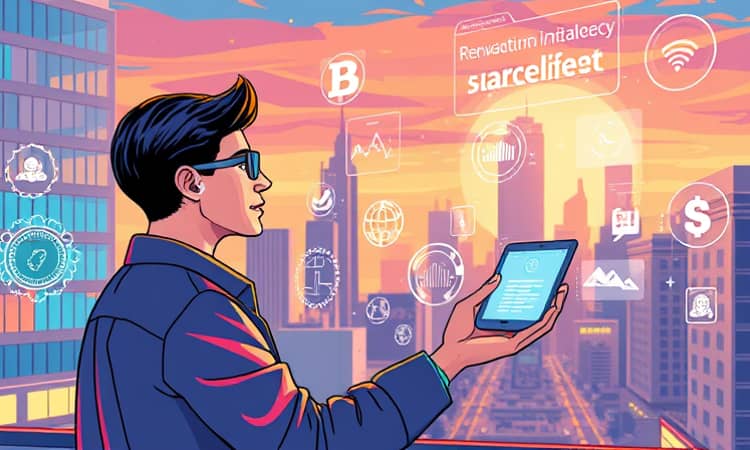
In an era defined by rapid innovation, achieving financial security demands more than traditional budgeting. By integrating cutting-edge tools and data-driven insights, savers can transform daily habits into lasting wealth. This article explores AI-powered personalization and automation to redefine how you save and invest, ensuring resilience in a dynamic economic climate.
From intelligent spending analysis to diverse investment strategies, these methods harness technology for tangible gains. Whether you are planning for retirement, a down payment on a home, or an emergency fund, these approaches equip you to reach those milestones faster and with greater confidence.
The Evolving Financial Landscape of 2026
As inflation stabilizes and interest rates find new equilibrium, financial services are undergoing a profound transformation. Over 50 percent of core finance functions now deploy AI, resulting in customer engagement jumps of up to 200 percent and lifetime value increases between 25 and 35 percent. Parallel to these advances, central bank digital currencies (CBDCs) and tokenization initiatives are reshaping payment infrastructures around the globe.
Consumer openness to generative AI assistants has soared, with 65 percent expressing interest in GPT-like features, while 71 percent desire AI integration within banking apps. Amidst these shifts, embedding finance into everyday applications is accelerating by 77 percent, signaling a future where financial tools meet consumers wherever they shop, travel, or relax.
Harnessing AI-Powered Personalization and Automation
At the heart of modern finance lies hyper-personalized banking predicts needs with remarkable accuracy. Leveraging machine learning, sentiment analysis, and life event modeling, banks can anticipate expenses, suggest optimal loan products, and trigger automated savings transfers right when you need them.
These systems apply behavioral psychology and predictive analytics to nudge users toward better choices. For instance, if the algorithm detects increasing spending in dining out categories, it might suggest reallocating funds to a dedicated savings subaccount or propose micro-investments for long-term growth.
Security remains paramount. Advanced biometrics and biometrics and real-time fraud detection add layers of protection, ensuring your data stays safe. Two-factor authentication and passkeys reduce the risk of unauthorized access, while anomaly detection flags suspicious transactions instantly.
Budgeting and Spending Optimization with Data-Driven Methods
A clear plan for your income is essential. Two popular frameworks guide this process: the 50/30/20 rule and zero-based budgeting. The former allocates 50 percent of income to needs, 30 percent to wants, and 20 percent to savings, while the latter assigns every dollar a purpose. Integrating AI into these methods amplifies their effectiveness.
With apps like YNAB, Monarch Money, and Copilot, automated transfers and monthly reassessments become seamless. These platforms categorize spending in real time, alert you to upcoming bills, and even recommend reductions where patterns show possible savings. Users can trust that their budget adapts as life changes, from new subscriptions to fluctuating utility costs.
- 50/30/20 rule for balanced budgeting
- Zero-based budgeting to assign every dollar
- Automated transfers to savings and investments
- Monthly reviews powered by AI insights
Investing and Diversification: Building a Resilient Portfolio
Investing is no longer exclusive to seasoned traders. Robo-advisors and low-fee investment platforms like Fidelity Go, Robinhood, and E TRADE democratize portfolio management. They offer AI-driven portfolio tailoring, real-time analytics, and automatic rebalancing to maintain desired asset allocations.
Smart diversification might include stocks and ETFs focused on AI, renewables, and infrastructure, complemented by bonds and real estate exposure. For cautious digital asset exposure, blockchain ETFs and stablecoin holdings within regulated platforms provide innovation without undue risk. High-yield savings accounts from digital-first banks offer competitive rates while preserving liquidity.
Shopping Smart and Cutting Expenses
Saving money starts with intelligent spending. Tools like Honey and Capital One Shopping track prices and apply coupons at checkout, while Rocket Money identifies unused subscriptions for cancellation. Bulk buying essentials and switching to energy-efficient appliances can yield significant yearly savings.
Upgrading to solar panels, smart thermostats, or electric vehicles not only reduces monthly bills but also unlocks federal tax credits and rebates. Consider meal planning to cut grocery waste and negotiate recurring service fees. Over time, these measures compound into substantial annual savings potential.
Emerging Tech Trends Shaping Your Financial Future
Beyond current apps and platforms, next-gen innovations promise further gains. Agentic AI will autonomously detect fraud, reconcile accounts, and manage budgeting tasks. Embedded finance 2.0 will place lending, investing, and payments directly into travel, social, and retail apps. Central bank digital currencies and digital asset tokenization will redefine cross-border transactions.
These trends underscore a broader shift toward real-time connectivity and proactive resilience. Predictive risk simulation tools will alert users to potential financial shocks, from market dips to personal emergencies, enabling preemptive moves that shield wealth.
Actionable Strategies for Smarter Savings
- Budgeting Mastery: Automate transfers, use 50/30/20 or zero-based methods, and leverage AI nudges for ongoing tweaks.
- Optimized Shopping: Employ price trackers, loyalty programs, and subscription managers to trim unnecessary costs.
- Household Efficiency: Invest in energy-saving upgrades, negotiate bills, and plan meals to minimize waste.
- Diversified Investing: Allocate across stocks, bonds, ETFs, real estate, and digital assets to balance risk and reward.
- Enhanced Security: Enable biometrics, separate personal and side-hustle accounts, and set up fraud alerts.
- Side Income Opportunities: Use AI tools for invoicing, marketing, and automated bookkeeping to boost earnings.
- Future-Proof Planning: Monitor CBDC developments, adopt tokenization, and run predictive simulations to prepare for uncertainties.
By embracing these technology-driven strategies, you position yourself to navigate the unpredictable economy of 2026 and beyond. Small, consistent actions—powered by intelligent tools—compound into significant financial milestones. Start today, and let innovation pave the way to your most ambitious goals.