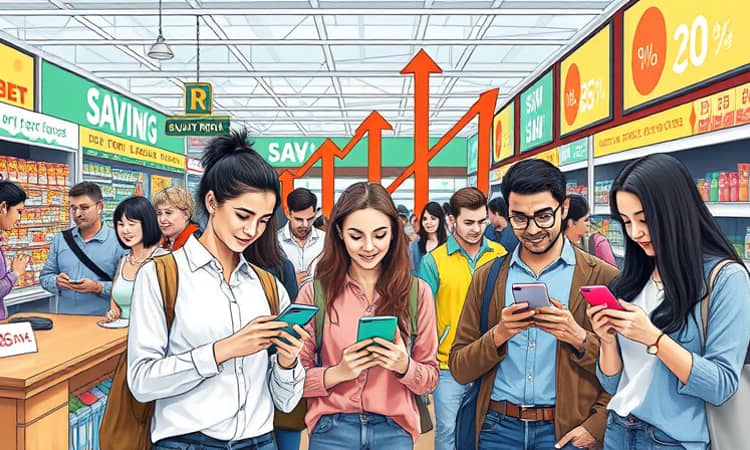
In 2025, consumer budgets face unprecedented challenges. With prices 23.6% higher than pre-pandemic levels, what once cost $1,000 now demands $1,236. The persistent surge of inflation has pressed households across all income brackets to rethink their spending patterns, weigh essential versus non-essential purchases, and seek the highest possible value for every dollar.
Defining Smart Spending
Smart spending goes beyond simple frugality. It’s not about cutting costs at every turn; it’s about making intentional choices that yield the greatest satisfaction and utility. When consumers prioritize experiences over material purchases and weigh long-term benefits against upfront prices, they tap into a powerful mindset shift.
Unlike being “cheap,” which may sacrifice quality or happiness, smart spending emphasizes informed purchasing. It challenges shoppers to ask: Does this deliver enduring value, productivity, or joy? This question transforms routine transactions into strategic investments in well-being and financial health.
Structuring Your Budget
A clear, structured budget is the foundation of smart spending. Two popular frameworks are:
In the 80-20 model, you “pay yourself first” by automatically allocating 20% of income to savings, then use the remainder for living expenses and discretionary items. Whichever approach you choose, regular audits and adjustments ensure your budget stays aligned with shifting needs and goals.
Practical Techniques to Get More for Less
Small, consistent actions compound into significant savings. Adopting these tactics can stretch your purchasing power:
- Track all spending daily or via apps to spot unnecessary outflows.
- Compare prices and quality consistently through online tools and store visits.
- Leverage loyalty rewards and cashbacks to recoup a percentage of each purchase.
- Cut or rotate subscriptions, keeping only those in regular use.
- Make shopping lists to avoid impulse buys and stick to planned needs.
By implementing these methods, shoppers can maximize your value per dollar while avoiding the common pitfall of paying more for lesser satisfaction.
Reprioritization: Goods vs. Experiences
Post-pandemic attitudes reveal a clear trend: while goods still matter, many consumers place higher value on experiences, such as travel or events. Yet, with budgets stretched by inflation, people now seek sweet spots—discounted trips, free community events, or off-peak activities that deliver memories without hefty price tags.
Understanding what brings lasting pleasure—versus fleeting novelty—allows individuals to channel funds into pursuits that fuel both happiness and financial stability.
Generational and Digital Approaches
Different age groups bring unique spending habits to the table. Gen Z, for instance, cut discretionary spending by 13% in early 2025 and often uses social media to discover smart finds and promotions. Meanwhile, 33% of shoppers rely on AI tools to plan trips and compare deals, illustrating how technology empowers modern budgets.
Across generations, digital apps for expense tracking, investment management, and cashback aggregation are becoming indispensable. Consumers can now:
- Use AI-driven deal alerts that identify price drops in real time.
- Manage multiple loyalty programs within a single dashboard.
- Automate bill payments and savings transfers to avoid late fees and impulse spending.
Cost-Cutting in Daily Expenses
Beyond major purchases, everyday habits offer fertile ground for savings. Consider these measures:
- Optimize energy usage: adjust thermostats wisely and run full loads in appliances.
- Shop generic or store brands in bulk for household staples.
- Brew coffee at home and limit dining out to special occasions.
- Review insurance premiums annually and bundle policies when possible.
- Carry only cash for discretionary categories to physically limit spending.
As many families discover, long-term satisfaction beyond initial cost often lies in tiny, disciplined lifestyle tweaks rather than drastic sacrifice.
Investing in Value and Future Security
Smart spending isn’t confined to saving; it extends to growing and protecting wealth. With nearly 62% of Americans owning stocks in 2025, moving idle cash into higher-yield instruments can outpace inflation. Setting up automatic contributions to brokerage accounts, money market funds, or retirement plans ensures that money works harder over time.
Moreover, diversifying investments—across equities, bonds, and alternative assets—builds resilience against market volatility and rising costs.
Cultivating a Smart Spending Mindset
A robust mindset underpins all practical strategies. Regularly audit subscriptions and recurring charges, turning off what no longer adds value. Reframe social interactions: host potlucks instead of dining at restaurants, organize game nights rather than expensive nights out, and seek community-driven free events.
This perspective shift—from reactive cost-cutting to proactive value-seeking—empowers consumers to thrive financially and emotionally, regardless of economic headwinds.
Conclusion
In an era where every dollar counts more than ever, smart spending offers a path to financial freedom and lasting satisfaction. By combining structured budgets, targeted techniques, and a value-centered mindset, consumers can not only weather inflationary pressures but emerge stronger and more fulfilled.
Start today: audit your expenses, harness digital tools, and commit to choices that deliver small, regular investments build wealth—and happiness—for years to come.