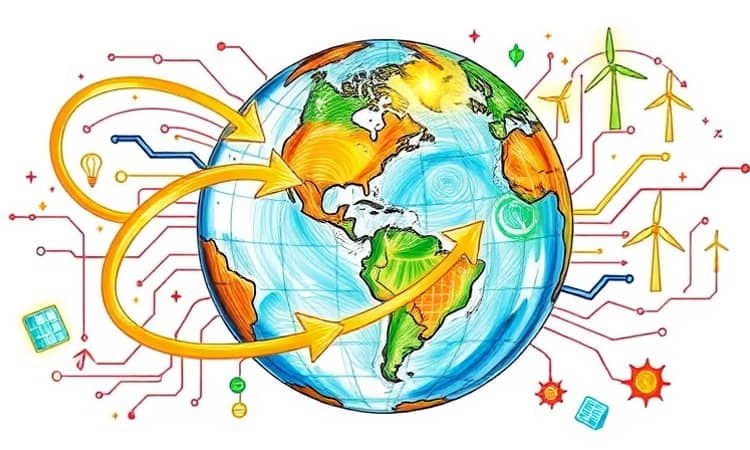
In 2025, the world stands at a pivotal crossroads where global market power is undergoing a profound and rapid metamorphosis. This transformation is reshaping economies, industries, and livelihoods in ways unseen for decades.
Driven by a complex web of geopolitical tensions and economic rebalancing, this shift demands our attention and adaptability. It echoes historical changes but with unprecedented speed and scale.
Key dynamics include conditional globalization with tariffs dictating flows, leading to a realignment of influence from West to East. Understanding this landscape is crucial for navigating the uncertainties ahead.
The stakes are high, with implications for growth, innovation, and global stability. By exploring these shifts, we can find inspiration and practical strategies to thrive in this new era.
The Geopolitical Crucible: Forces Driving Change
Geopolitical events are the primary catalysts for this metamorphosis. Tensions between major powers are redrawing the rules of engagement.
In the United States, a significant policy pivot is underway. The economy is slowing, but this is often overstated due to factors like distorted GDP data.
Tariffs under the Trump administration have introduced sweeping changes. These measures are among the most comprehensive since the 1930s.
Europe is responding with a resurgence focused on domestic growth. A massive defense package is stimulating investment and innovation.
China demonstrates resilience through deep global integration. Its technological and manufacturing ascent challenges traditional power structures.
Global growth is projected to slow, with advanced economies lagging behind emerging ones. This divergence creates both risks and opportunities.
- U.S. policy shifts include tax cuts and deregulation to boost corporate earnings.
- Tariffs have escalated to country-specific rates, impacting trade flows.
- Europe's fiscal pivot involves relaxing debt brakes and removing internal barriers.
- China's export redirection shows a strategic pivot to new markets.
- Global economic angst stems from unmoored anchors like low cooperation.
These forces collectively narrow U.S. growth leadership. Europe and China are gaining momentum in economic influence.
Redrawing Trade Maps: Supply Chain Realignments
Trade dynamics are fragmenting under the weight of new tariffs and strategic pivots. This leads to supply chain shifts that will take years to fully materialize.
The cost of fragmentation is high, with estimates ranging from billions to trillions in lost growth. Consumers face higher prices and inflation as a result.
Key regions are adapting in diverse ways to these challenges. Their strategies will define future economic landscapes.
This table highlights how trade troubles disrupt traditional patterns and raise consumer prices. Each region's response shapes global momentum.
- Chinese firms are relocating manufacturing to avoid tariffs.
- Europe's removal of internal barriers could boost intra-EU trade.
- Global trade fragmentation slows growth to 2.3%, harming living standards.
Adapting to these shifts requires agility and foresight. Businesses must reassess their supply chains for resilience.
The AI and Tech Surge: Innovation as a Game-Changer
Technology, especially artificial intelligence, is a transformative force in this metamorphosis. It cuts costs and boosts efficiency across sectors.
AI revolutionizes content creation and conversion rates, driving economic value. Companies like Nvidia and Microsoft have reached unprecedented market caps.
Data centers' energy consumption is rising, highlighting the need for sustainable tech solutions. This growth underscores the dual nature of innovation.
China's tech ascent up the value chain enhances its global competitiveness. Clean energy leadership is a key part of this strategy.
Europe benefits from a defense-driven tech tailwind, mirroring U.S.-style innovation. This fosters new industries and job creation.
- AI reduces content costs by 60% and increases conversions by 20%.
- Data centers may consume over 3% of global energy by 2030.
- 86% of employers expect AI to reshape their sectors significantly.
- AI could create 170 million new jobs but automate 92 million by 2030.
- Reskilling is urgent amid growing skills gaps and demographic divides.
Embracing technological momentum drives future growth and requires continuous learning. It offers a path to offset economic slowdowns.
Energy Transition: Sustainability Meets Demand
The shift to renewable energy is accelerating, driven by cost advantages and climate goals. This transition is integral to the global power rebalancing.
Renewables like solar and wind are now cheaper than fossil fuels, making them attractive investments. They dominate new capacity additions globally.
However, surging electricity demand from data centers and electrification outpaces deployment. Balancing energy security with development is critical.
Risks include potential shortfalls in meeting climate targets. Strategic investments in infrastructure can mitigate these challenges.
- Solar energy is 41% cheaper, and wind is 53% cheaper than fossils.
- Renewables contributed to 92.5% of new capacity in 2024.
- Electricity demand grew by 4.3% in 2024 due to various factors.
- China's solar output in Q1 2025 nearly matched all of 2020.
This energy shift supports clean energy as 10% of economies, fostering resilience. It aligns with broader trends in market power.
Human Capital in Flux: Labor and Demographics
Labor markets are evolving rapidly due to AI and demographic trends. This creates both opportunities and disruptions for workers worldwide.
AI drives job creation and displacement, necessitating a focus on reskilling. Gender and age gaps in tech and health sectors require addressed.
Demographic shifts, like aging populations, impact productivity and investment. Low productivity trends hinder long-term growth prospects.
The longevity economy demands redesigned finance and retirement systems. Adapting to these changes is essential for social stability.
- Continuous learning is a priority to bridge skills gaps.
- Gender gaps in AI and tech fields need targeted interventions.
- Demographic trends compound risks from low productivity.
- Labor flux requires flexible and adaptive workforce strategies.
Navigating labor market transformations ensures inclusive growth. It empowers individuals to thrive amid change.
Risks and Strategic Implications: Navigating the New Normal
Downside risks include U.S. recession and tariff escalation, which could fracture global cooperation. Geopolitical tensions remain high, stalling investment.
Upside potentials lie in Europe's fiscal boost and China's resilience. AI and energy momentum offer pathways for growth and innovation.
Multilateral collaboration on issues like misinformation and infrastructure is crucial. It can mitigate risks and enhance global stability.
Historical parallels, such as the 2008 Global Trends report, remind us of past shifts. Today's metamorphosis requires proactive strategies.
McKinsey notes executive optimism by end-2025, with bright expectations. This suggests that adaptability can lead to success.
- Policy volatility poses a significant risk to economic stability.
- Europe and China's momentum gains offer counterbalances to U.S. slowdown.
- Strategic implications emphasize navigating a complex and contested economy.
- Adaptability is key for building resilience amid fragmentation.
Embrace strategic adaptability for long-term resilience. It turns challenges into opportunities for growth and innovation.
In conclusion, the momentum metamorphosis of 2025 is a call to action. By understanding these shifts, we can inspire change and provide practical help.
Focus on agility, innovation, and collaboration to thrive. This journey, though daunting, offers a chance to reshape our future positively.
Let this knowledge empower you to navigate the evolving landscape with confidence and hope.