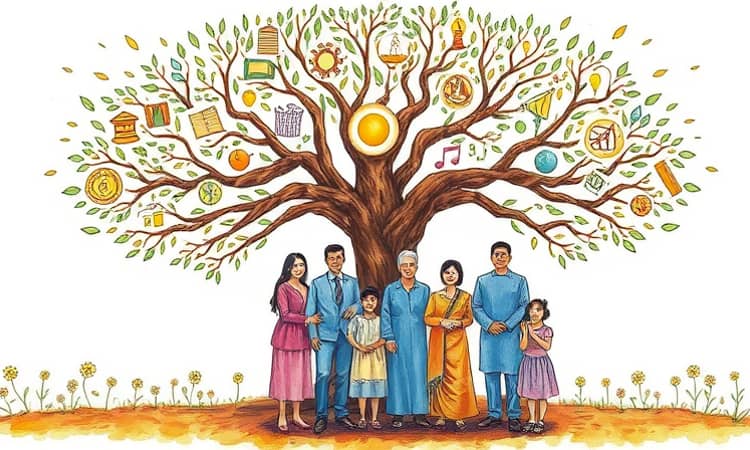
In an era of rapid change and fleeting moments, the concept of legacy has never felt more urgent. Beyond the simple transfer of assets, legacy building invites us to ponder the values, traditions, and stories we wish to leave behind. It represents a bridge between the past we inherit and the future we hope to shape.
Legacy building is more than an afterthought at the end of life. It is a strategic, ongoing process that allows individuals and families to align personal values with long-term goals and ensure that both tangible and intangible assets honor their deepest intentions.
By adopting a holistic legacy plan today, you empower future generations with clear guidance, meaningful purpose, and a framework for stewardship that lasts well beyond a single lifetime.
Understanding Legacy Planning
At its core, legacy planning extends beyond the execution of wills and the distribution of bank accounts. It weaves legal structures, financial vehicles, and heartfelt intentions into a cohesive roadmap. By articulating your core beliefs—whether faith, philanthropy, or educational priorities—you ensure that heirs inherit not only wealth but also the wisdom and ethical compass that guided your decisions.
The evolution from traditional estate planning to comprehensive legacy building reflects a growing recognition that individuals seek a purpose-driven transfer of assets and values. Modern legacy planning considers everything from funding charitable endeavors to preserving family artifacts and digital footprints. It also addresses potential vulnerabilities, such as tax exposure, marital changes, and the readiness of descendants to manage significant resources.
This table illustrates how legacy planning enriches the scope of traditional approaches by embedding values, narratives, and purpose alongside financial transfers.
Why Building a Legacy Matters
Why invest in building a legacy now? The answer lies in both practical and emotional rewards. Financially, structured legacy planning can mitigate the burden of estate taxes—currently set at an exemption of $13.99 million per individual in 2024—and make effective use of annual gift exclusions of $18,000. Strategically leveraging trusts, partnerships, and qualified accounts allows families to preserve more of their estate for future use.
Industry estimates indicate that the Great Wealth Transfer will move approximately $84 trillion in the US by 2045, with $15 trillion passing by 2033. These figures underscore both the scale of opportunity and the risk of unplanned distributions that can fracture fortunes across generations.
Even more compelling are the intangible benefits. Research shows that older adults who engage in legacy activities report greater feelings of fulfillment, gratitude, and optimism. They experience existential satisfaction through meaningful preparation that transcends monetary worth. Well-orchestrated plans ensure intentional transfer of values and wealth, strengthen family bonds and reduce conflicts, and preserve traditions and ethical frameworks.
Key Pillars of Legacy Planning
Mapping out a legacy plan requires attention to both financial mechanics and personal narratives. The following pillars serve as foundational elements of a robust strategy:
- Asset Distribution Strategies: Thoughtful deployment of irrevocable trusts, family limited partnerships, and Roth conversions can transfer assets tax-efficiently.
- Values and Vision Statement: A formal document that captures what truly matters—education, philanthropy, or entrepreneurial spirit—ensuring your heirs understand your priorities.
- Tax Minimization Techniques: Using strategies such as annual gift exclusion, grantor retained annuity trusts, and charitable remainder trusts to reduce estate-tax exposure.
- Family Governance Structures: Establishing regular family assemblies, written protocols, and governance committees to foster transparency and shared leadership.
- Guardianship and Care Planning: Designating guardianship for minors or dependent adults and securing long-term care provisions through dedicated funding vehicles.
- Business Succession Roadmap: Crafting a transition plan for family enterprises, complete with mentorship, buy-sell agreements, and leadership development.
- Philanthropic Vehicles: Creating donor-advised funds or private foundations aligned with family values to channel charitable efforts across generations.
Each pillar interlocks with the others, forming an integrated model that balances wealth preservation with value transmission.
Strategies for Effective Wealth and Legacy Transfers
Implementing these pillars demands a combination of clear communication, expert guidance, and ongoing adaptation. Start by convening family meetings—ideally facilitated by a neutral professional—to introduce your vision and invite feedback. This practice fosters trust and prepares heirs for shared decision-making.
- Leverage annual gifting, capped at $18,000 per person in 2024, to reduce taxable estate balances.
- Create irrevocable trusts to shield assets from creditors and streamline distribution timelines.
- Establish family limited partnerships to consolidate ownership interests and control management decisions.
- Schedule regular reviews—at least biennially—to update structures as life circumstances evolve.
By combining legal expertise with open family dialogue, you lay the groundwork for a resilient plan that weathers changes in wealth, relationships, and regulations.
Instilling Values and Crafting a Family Narrative
While numbers and documents form a critical backbone of any legacy plan, the heart of a lasting legacy lies in the cultivation of shared values. Teaching children and grandchildren about responsibility, integrity, and stewardship instills a sense of purpose that endures long after financial assets have been allocated.
Practical tools include ethical wills—personal letters that convey moral lessons and life experiences; documented family stories through videos or written accounts of milestones; and tradition builders like annual reunions or holiday rituals that reinforce identity. These activities create an emotional anchor across generations and ensure that family lore remains vibrant and relevant.
Lessons from Fortunes That Lasted Centuries
The Rothschild dynasty exemplifies how intentional governance and disciplined financial habits can preserve family wealth for centuries. Through a network of structured trusts, rotating stewardship roles, and biennial family conferences, they nurtured a spirit of collaboration and long-term vision. Their approach underscores the potency of collective decision-making and shared responsibility in sustaining generational success.
Similarly, numerous families leverage donor-advised funds or private foundations as living legacies. These structures not only channel philanthropic efforts but also serve as educational platforms for heirs, offering hands-on experience in grant-making and community engagement. The result is a legacy that aligns financial impact with moral purpose.
Overcoming Common Challenges
Despite the advantages, legacy planning can encounter hurdles without proactive measures. Clinging to outdated plans, avoiding difficult conversations, or failing to prepare heirs can trigger confusion and conflict. Common obstacles include:
- Ambiguous intentions that lead to misinterpretation. Solution: Craft clear, written vision statements and share them openly.
- Heirs feeling overwhelmed by complexity. Solution: Invest in financial literacy workshops and designate mentors for younger family members.
- Regulatory or tax changes that render old structures ineffective. Solution: Engage advisors for periodic plan audits and scenario testing.
Confronting challenges directly and embracing continuous learning transforms potential pitfalls into opportunities for growth and unity.
Legacy Planning Is for Everyone
One of the most empowering truths about legacy building is that it transcends net worth. A legacy can encompass small-scale traditions, scholarship funds for a local school, or simply a well-crafted family story that binds relatives together. By starting early—regardless of age or assets—you initiate a dynamic process of values communication that evolves naturally over time.
Embrace legacy planning as a lifelong journey. Revisit your plans as children mature, careers progress, and personal interests shift. This living approach ensures that your legacy remains authentic and responsive to the needs of each new generation.
Legacy for Societal Impact
Beyond the private sphere, families and individuals can extend legacy building to the wider community. The United Nations Sustainable Development Goals, for instance, invite personal and institutional legacies that address environmental stewardship, social equity, and global resilience. By aligning private philanthropy with public initiatives, families amplify their impact and contribute to a collective future.
Conclusion
As you contemplate your own legacy, remember that the most enduring gifts are those that combine resources with relevance, ambition with humility, and preparation with flexibility. A well-conceived legacy plan integrates documents, governance, and values into a living framework that guides future generations toward shared success.
The time to begin is now. Gather your loved ones, articulate your values, and seek expert guidance to forge a legacy that resonates far beyond your lifetime. Through intentional planning, open dialogue, and unwavering commitment, you can pass on not just wealth but a meaningful narrative that empowers generations yet to come.