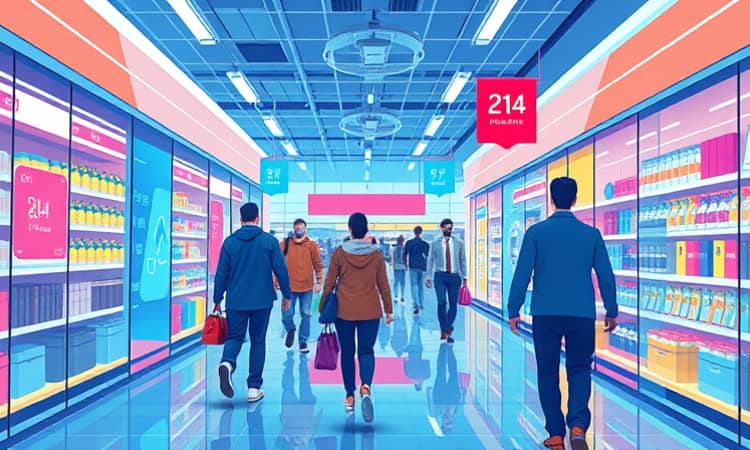
In an era where time is the ultimate luxury, businesses and consumers alike are searching for ways to accelerate every interaction. Invisible payments promise to turn every transaction into a seamless and intuitive process, eliminating steps, queues, and digital friction.
By integrating payment processes into the very fabric of experiences—whether shopping in a store, summoning a ride, or ordering groceries—this approach empowers customers with effortless transactions every single time. The journey toward truly frictionless commerce has only just begun.
The Essence of Invisible Payments
Invisible payments are defined by transactions that execute automatically in the background, without prompts such as “pay,” PIN entry, or card taps. This transformation is made possible through a combination of biometric authentication, tokenization, and contextual triggers that detect when to charge a user.
The power of this model lies in its ability to eliminate the visible payment step while maintaining security and transparency. During initial enrollment, customers link their preferred payment method—credit card, digital wallet, or bank account—to a biometric or unique identifier.
Once set up, triggers such as an item exit from a store, ride completion, or voice command initiate an immediate, invisible billing process. This technology feels woven into the user experience, allowing life’s daily purchases to become as effortless as existing within the moment.
Transformative Examples Across Industries
Leading the charge, several sectors have already embraced invisible payments, showcasing the diverse possibilities of this innovation:
- Retail (In-Store): Amazon Go’s sensor and camera network creates a virtual cart as shoppers browse. When customers walk out, their account is auto-charged.
- Ride-Sharing & Transport: Uber and similar apps seamlessly bill users post-ride, requiring no on-trip payment confirmations.
- Voice Commerce: Smart assistants like Alexa, Siri, and Google Voice complete purchases via voice commands, calling on stored credentials.
- Smart Devices & IoT: Refrigerators reorder staples when stocks run low; cars pay for fuel or tolls as sensors detect transactions in real time.
- Subscriptions & Services: Media platforms and on-demand utilities charge automatically based on usage metrics, bypassing manual approvals.
Across these examples, invisible payments deliver unparalleled convenience and speed, reshaping customer loyalty and average spend by removing barriers at every turn.
Technologies Fueling the Invisible Transaction Layer
Behind the scenes, a robust technology stack ensures that invisible payments remain secure, reliable, and rapid. Core components include biometric authentication, tokenization, real-time payment rails, and edge computing.
These layers operate in harmony: devices pick up context, APIs handle the processing, and rails clear transactions in milliseconds. Companies investing in this infrastructure often pair it with AI to reduce errors and optimize the customer experience.
Advantages for Consumers and Merchants
Invisible payments unlock a host of benefits for everyone in the commerce ecosystem. For consumers, the most obvious advantage is time saved and emotional overhead reduced. No lines, no button presses, no interruptions.
- Enhanced Speed: Checkout times drop from minutes to seconds, encouraging more frequent micro-purchases.
- Greater Loyalty: Users associate ease with delight, strengthening brand attachment.
- Improved Security: Tokenization and biometrics cut fraud risks compared to exposed card data.
Merchants, on the other hand, enjoy higher throughput, lower cart abandonment, and actionable data insights into shopping patterns. This translates into higher conversion rates and sustained revenue growth as customers embrace a more fluid purchase journey.
Navigating Challenges and Ensuring Trust
Despite its promise, invisible payments introduce new considerations. Users may feel a loss of control if charges occur without clear prompts, raising concerns about unauthorized transactions or overspending.
- Transparency Measures: Provide detailed notifications immediately after each charge, with easy dispute processes.
- Consent Frameworks: Ensure one-time opt-in with clear explanations of when and how payments will be triggered.
- Robust Security: Employ multi-factor authentication and constant encryption updates to protect sensitive identifiers.
Regulatory agencies are also paying close attention, emphasizing the need for clear oversight, audit trails, and consumer protections to prevent misuse. By proactively adopting privacy-first designs, businesses can balance innovation with consumer trust and build lasting relationships.
Looking Ahead: The Future of Frictionless Commerce
As we approach 2026 and beyond, invisible payments will expand into an ever-growing array of contexts. Smart cities will incorporate tolls and transit fees without barriers. Wearable devices and implants will reorder essentials autonomously. The line between commerce and life will blur further.
For businesses aspiring to lead, the call to action is clear: invest in adaptive API platforms, partner with secure biometric providers, and pilot IoT-supported environments where transactions occur naturally.
Consumers, too, can prepare by exploring opt-in programs, familiarizing themselves with privacy settings, and considering emerging wallets that offer greater control. Together, we can shape a future where technology enhances our daily routines without disrupting the joy of discovery or the power of choice.
Invisible payments are more than a convenience trend—they represent a profound shift toward commerce that keeps pace with our lives, unlocking new possibilities for both individuals and organizations around the globe.