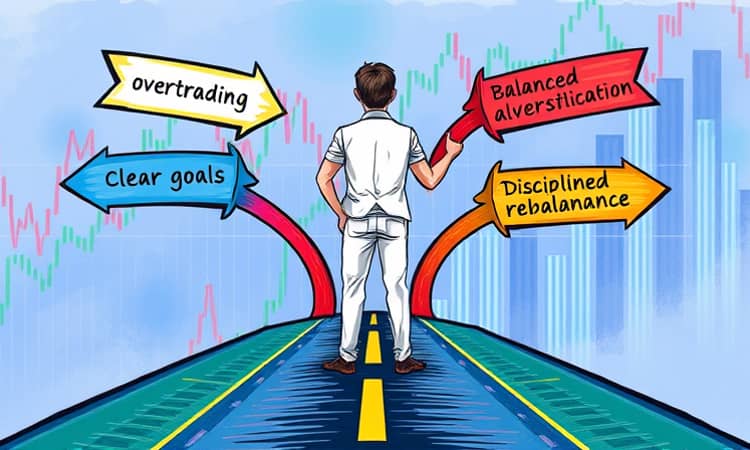
Investing wisely requires more than picking stocks—it demands discipline, planning, and awareness of common traps. This guide unpacks the most prevalent mistakes and offers practical solutions to protect and grow your wealth.
Understanding the Roots of Portfolio Errors
Many investors fail because they have no roadmap. A lack of clear investment goals often leads to erratic decisions that stray from long-term objectives. Without defined risk tolerance and a stated time horizon, individuals wander between opportunities and pitfalls, chasing returns instead of following a plan.
Asset allocation is the cornerstone of performance. Studies show that diversification impacts outcomes more than security selection or market timing. Yet both under-diversification and over-diversification create problems: too few holdings amplify volatility, while excessive holdings dilute returns and complicate tracking. Research suggests holding at least fifteen large-cap stocks or about twenty-six small-cap names for optimal coverage.
Ignoring inflation and fees quietly erodes wealth. With inflation averaging about 4% annually, unprotected assets lose over half their purchasing power in two decades. Meanwhile, management and trading costs, even at 1–2% yearly, can shave tens of thousands of dollars off long-term growth. Savvy investors watch both metrics closely to preserve real returns.
Behavioral and Emotional Traps
Emotions drive costly errors. Reacting to short-term volatility fuels panic selling during downturns and impulsive buying at market peaks. This cycle typically undercuts performance, as staying invested outperforms attempts to time tops and bottoms. Historical data confirm that missing just a few of the market’s best days slashes lifetime returns significantly.
Excessive activity compounds losses. Active traders underperform the S&P 500 by roughly 6.5% annually, once transaction costs, taxes, and poor timing are included. A pattern of trading too frequently underperforms markets, erodes capital through fees, and invites emotional mistakes. Similarly, chasing yield or past performance often leads to buying high and selling low.
Media noise and overconfidence spur irrational moves. Headlines trigger “fear of missing out” or panic, while DIY investors may overestimate their expertise. This decision-making based on emotions or hype distracts from disciplined, goal-aligned strategies. Recognizing and curbing these impulses is crucial for portfolio stability.
Practical Steps to Fortify Your Investments
Prevention is easier than cure. By embedding sound practices into your routine, you can avoid most common pitfalls and maintain progress toward your objectives.
- Set clear, measurable goals with dates and targets.
- Diversify adequately but not excessively across asset classes.
- Rebalance using regular quarterly or annual reviews to realign with your risk profile.
- Limit trading and avoid attempts to predict market swings.
- Monitor fees, taxes, and inflation impacts on returns.
- Consider professional guidance if expertise or time is limited.
- Start investing early and consistently to harness compounding.
Consistent contributions amplify growth. For example, a $200 monthly investment at 7% annual return grows substantially more when started earlier:
Delaying even a decade cuts final accumulation in half. This illustration underscores the power of time in the market versus timing the market.
In addition to these foundational steps, maintain a disciplined mindset. Use objective criteria for buying and selling decisions, avoid chasing headlines, and resist the urge to overreact to quarterly swings. Document your plan in writing and revisit it regularly, adjusting only when life goals or risk tolerance evolve.
Finally, cultivate patience. Investment success is rarely linear—periods of underperformance and drawdowns are inevitable. Staying focused on your long-term objectives and trusting your process will help you navigate volatility without derailing your progress.
By recognizing and avoiding the pitfalls outlined above, you arm yourself with knowledge and structure. Implement these measures consistently, and you’ll be well positioned to build a resilient portfolio that withstands market cycles and achieves your financial aspirations.