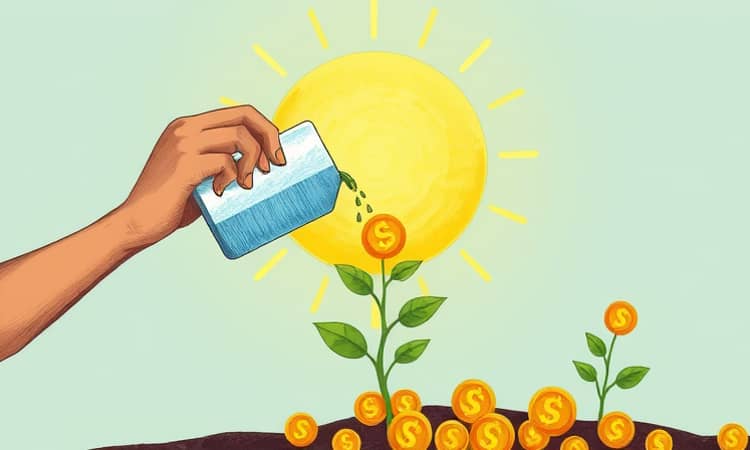
In a world captivated by stock tickers and market forecasts, there lies an often-overlooked asset with the highest potential yield: yourself. By channeling time, energy, and resources into personal growth, you can unlock returns that dwarf even the most optimistic market projections.
The Limits of Financial Markets
Financial assets have long been benchmarked for performance. Forecasts for 2025–2035 project private equity at 13.5% annualized, private credit around 7.6%, and public equities hovering between 5.6% and 8.2% based on S&P 500 targets. While these numbers appear attractive, they carry inherent risks, from highly valued market conditions to geopolitical headwinds.
Historical real returns for equities average between 7.5% and 9.26%, yet long-term growth often reverts to nominal GDP trends near 6–8%. Fixed income yields sit below 5%, offering safety at the expense of real growth. Emerging policy risks, tariff impacts, and slowing global expansion add further uncertainty.
Investor Mindsets in 2025
Amid these projections, investor sentiment reveals contrasts. Self-directed investors often expect stable or improved performance despite nearly half foreseeing market downturns. Advised investors report higher satisfaction levels, highlighting the value of guidance.
- 64% of self-directed investors anticipate stable or better returns.
- 75% express optimism for their own portfolios over the next six months.
- 35% of advised investors describe themselves as very satisfied, compared to 15% of self-directed peers.
Successful investors tend to stick to fundamentals, avoiding panic selling and focusing on long-term metrics over sensational news. These behaviors underscore a critical lesson: discipline and knowledge often trump fleeting trends.
Building a Robust Foundation: Personal Finance Essentials
Before embarking on self-investment, a solid financial framework is crucial. Establishing an emergency fund and setting clear goals positions you to seize growth opportunities.
- 32% of individuals save for emergencies, creating stability.
- 21% allocate funds for travel, reflecting lifestyle balance.
- 11% open high-yield accounts, leveraging tenfold average interest rates.
These foundational steps diminish stress and free mental bandwidth, enabling deeper focus on personal development strategies with compounding benefits.
The Power of Investing in Yourself
Investing in personal growth can yield returns surpassing traditional assets. Consider these key categories:
- Education and Skills Development: A bachelor’s degree can boost lifetime earnings by up to 66%, translating to an extra $1 million or more. Vocational training and certifications deliver immediate wage increases of 10–15%.
- Health and Wellness Initiatives: Every dollar spent on preventive care and fitness can save up to four dollars in future medical costs, while enhancing productivity and quality of life.
- Networking and Career Advancement: Strategic relationships often open doors to promotions, partnerships, and entrepreneurial ventures, accelerating income growth.
- Financial Literacy and Planning: Developing effective financial decision-making skills leads to smarter investment choices, robust tax strategies, and greater confidence in long-term planning.
Each of these dimensions generates a form of intellectual and financial capital that compounds over time, unbounded by market cycles.
Case Studies and Real-World Examples
Consider Emma, a mid-career professional who invested in an advanced analytics certification. Within a year, her salary increased by 20%, and she secured a role leading data-driven projects with six-figure budgets. Or Raj, who prioritized daily meditation and fitness, reporting reduced long-term healthcare costs while boosting his work performance and job satisfaction.
These stories highlight how targeted personal investments translate directly into improved earnings, lower expenses, and enhanced well-being—outcomes that market fluctuations cannot replicate.
Actionable Steps to Start Today
Embarking on your self-investment journey need not be overwhelming. Begin with these practical actions:
- Allocate a fixed monthly budget toward courses or certifications relevant to your field.
- Schedule routine health checkups, fitness classes, or wellness apps to track progress.
- Attend industry events and networking meetups to expand your professional circle.
- Read one finance book or article each week to sharpen money management skills.
- Automate transfers into a dedicated “growth fund” for continuous reinvestment in yourself.
By integrating these habits into your routine, you harness the power of transformative personal development investments and pave the way for sustained success.
Conclusion
Traditional asset classes may offer returns in the mid-single digits, but they remain subject to external forces beyond your control. Conversely, investing in yourself allows you to be the architect of your future, leveraging significant compounded career earnings benefits and lifelong growth potential.
As market forecasts dial back expectations amid geopolitical and economic uncertainties, remember that the most reliable rate of return resides within you. Commit to continuous learning, health, and networking—and watch as those dividends far exceed any stock market yield.