Imagine a world where nearly 50 million people are trapped in modern slavery, a staggering number that highlights the pervasive issue of debt bondage. This form of exploitation, where individuals are forced into labor to repay debts that never diminish, is a harsh reality for many across the globe. Nearly 50 million people live in modern slavery, a figure that underscores the urgency of addressing this crisis.
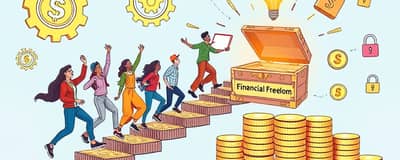
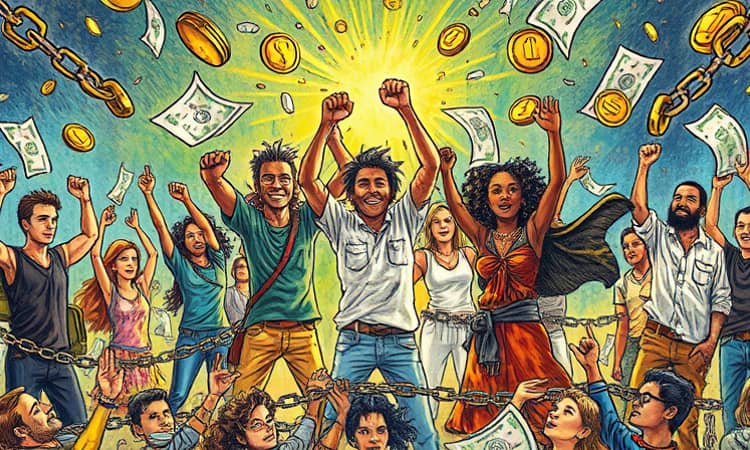
The transition from debt chains to freedom is not just a metaphor; it represents a tangible journey towards liberation. This guide explores the mechanisms of debt bondage and parallels in consumer debt, offering strategies for escape and systemic change. From forced labor to financial freedom, we delve into practical solutions.
In today's economy, both global slavery and personal debt crises are interlinked, driven by poverty, inequality, and lack of access to justice. Understanding these chains is the first step towards breaking free. Debt bondage prevalence remains high worldwide, affecting millions in sectors like agriculture and manufacturing.
The Global Scale of Debt Bondage
Modern slavery is a global epidemic with devastating statistics that demand immediate attention. The numbers reveal a grim picture of human suffering and economic exploitation.
- Nearly 50 million people live in modern slavery, with an upward trend driven by factors like COVID-19, conflict, and climate crises.
- Of these, 28 million are in forced labor, and 22 million in forced marriage, highlighting diverse forms of bondage.
- Debt bondage is the most common forced labor form, affecting approximately 21 million people globally.
- State-imposed forced labor impacts 3.9 million individuals in regions such as Uzbekistan and the Uyghur Region in China.
- The economic impact is profound, with modern slavery generating $236 billion in illicit profits annually, fueling further exploitation.
These figures underscore the scale of human rights violations and the need for coordinated global action.
Understanding Debt Bondage Mechanisms
Debt bondage operates through manipulative loans that trap individuals in endless cycles of labor, often targeting marginalized groups. Victims include poor communities, migrants, women, and children.
- It involves taking loans or advances from employers or recruiters for basic needs, with repayment through labor that exceeds the debt value.
- The work yields no or minimal wages, keeping the debt persistent or intergenerational due to manipulated terms and high interest rates.
- Examples include migrant workers at the 2022 Qatar World Cup, where high recruitment fees trap them in low-wage cycles with little hope of escape.
- Abuses range from long hours and physical violence to psychological trauma and isolation, violating fundamental human dignities.
- Root causes include poverty, illiteracy, discrimination, migration, inequality, corruption, and lack of access to justice and finance, perpetuating systemic vulnerabilities.
This system thrives on exploitative economic practices that deny basic freedoms and perpetuate cycles of poverty.
Modern Consumer Debt Traps
In developed economies, consumer debt creates similar chains, though less extreme, with the US facing a growing crisis in 2025 and beyond. High debt loads and rising interest rates exacerbate the problem.
- Total household debt reached $18.4 trillion in 2025, including $1.21 trillion in credit card debt and $1.66 trillion in auto loans, reflecting widespread financial strain.
- Delinquency rates are at 4.4%, the highest since 2012, with auto loans seeing 5.02% past due, indicating mounting pressures on consumers.
- Buy Now, Pay Later (BNPL) revenue grew from $1.8 billion in 2018 to $12.5 billion in 2024, with outstanding debt at $24.4 billion, facing regulatory scrutiny for transparency issues.
- Collections failures are common, with only 20% of institutions having robust analytics, leading to reactive and ineffective tactics that damage consumer trust.
- Financial trends for 2026 include slower loan growth, elevated delinquencies, and a rise in private credit, such as $230 billion in semiliquid funds, up 22% since 2024.
These traps mirror mechanisms of financial exploitation seen in debt bondage, albeit in a different socioeconomic context.
Pathways to Personal Liberation
Breaking free from debt requires proactive strategies and modern tools that empower individuals to take control of their finances. Personal action can lead to tangible freedom.
- Proactive segmentation involves prioritizing accounts by balance, age, and payment history to engage at-risk debtors early with reminders and payment plans.
- AI-driven collections are twice as effective as traditional methods, handling 200,000 conversations per month and yielding 51,000 payments, reducing litigation risks.
- Consumer goals for 2026 show that 81% of Americans prioritize budgeting, emphasizing practical steps like self-amortizing debt and covenant flexibility for better management.
- Financial planning should include automation, compliant scripts, and stress tests to shift from reactive to predictive approaches, enhancing resilience against economic shocks.
- Key actions include setting realistic budgets, using AI tools for debt management, and seeking flexible payment plans to avoid delinquency and improve credit health.
Empowering individuals with knowledge and technology is crucial for achieving personal financial independence and breaking the chains of debt.
Systemic Reforms for Freedom
To address root causes, systemic changes are necessary to prevent debt bondage and consumer traps through policy reforms and international cooperation. Strong frameworks can foster lasting freedom.
- UN and state actions should implement comprehensive programs based on human rights standards, legislating protection, prevention, and redress for victims of exploitation.
- A multifaceted approach includes strong finance and justice frameworks, anti-corruption measures, and rehabilitation programs to break intergenerational cycles of debt.
- Anti-slavery efforts can leverage data from the Global Slavery Index for 160 countries to target state-imposed labor and enhance migrant protections globally.
- Financing solutions, such as debt instruments tied to human rights, can combat the $236 billion in illicit profits from slavery, redirecting funds towards ethical practices.
- Regulatory evolution in 2026 includes medical debt protections, UDAAP enforcement, and data privacy laws to safeguard consumers from predatory lending and unfair practices.
Systemic reforms create an environment where freedom can thrive through legal and economic safeguards that prioritize human dignity.
Looking Ahead to 2026
The future holds both challenges and opportunities, with trends in finance and policy shaping the path to liberation. Embracing innovation and collaboration is key to progress.
Opportunistic capital markets are expected with equity up 20-30% and tighter spreads, offering new avenues for investment in ethical finance. Private credit partnerships reduce bank risk and provide alternative funding sources for sustainable development.
To summarize key aspects, here is a table comparing debt bondage and consumer debt traps, highlighting their similarities and differences:
This comparison underscores the universality of debt-related issues and the need for tailored solutions that address both extreme and everyday forms of exploitation.
In conclusion, from debt chains to freedom reigns, liberation is possible through combined personal action and systemic change. By understanding the chains, implementing practical strategies, and advocating for reforms, we can break free and build a future where financial and personal freedom prevail. Let this guide inspire you to take the first step towards your own liberation and contribute to a world free from exploitation, where every individual can reign in freedom.