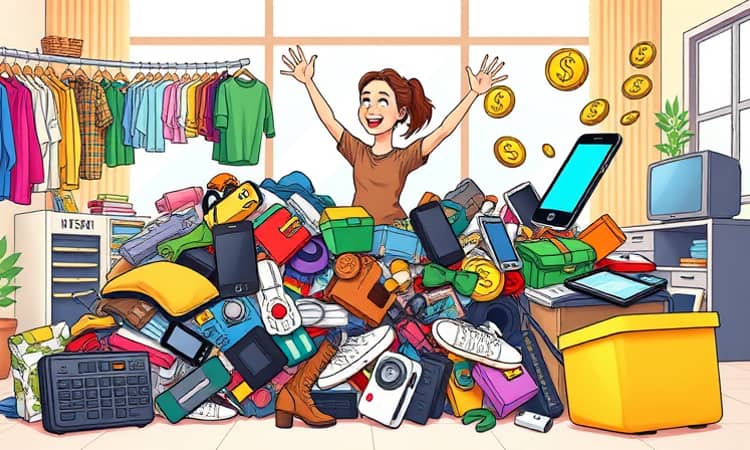
Imagine unlocking thousands of dollars from items gathering dust in your home.
On average, Americans hold $15,000+ in unused items per household, a staggering amount that represents untapped financial potential.
The resale market for secondhand goods generates over $50 billion annually, with platforms like eBay and Poshmark leading the charge.
This isn't just about decluttering; it's a lucrative opportunity to transform forgotten clothes, gadgets, and home goods into cash with minimal investment.
In 2026, post-pandemic demand for sustainable and refurbished items is surging, making now the perfect time to start.
By focusing on high-demand categories, you can achieve returns of 50-200% on your effort, turning clutter into a reliable income stream.
Step 1: Identifying Sellable Clutter from Your Home
Start by prioritizing items that are easy to ship and have proven resale value.
Branded and vintage pieces often hide in your home and can be sold quickly for profit.
Use the table below to categorize common unused items by profitability and ease of sale.
This table helps you focus on high-demand, low-cost-to-ship items that yield quick returns.
Additionally, consider digital flips, such as scanning photos into stock presets, which offer margins of 70-95%.
Step 2: The Decluttering Process and Preparation
Begin with a thorough audit of your home, targeting areas where clutter accumulates.
Closets often contain 60% of unused items, so start there with branded or vintage clothes.
Follow this simple process to prepare items for sale:
- Clean and photograph items in natural light for appealing listings.
- Bundle similar items, like outfit sets, to increase value and attract buyers.
- Research comparable prices on platforms like eBay to set competitive rates.
Use low-effort hacks to streamline the process.
Apps like Decluttr provide instant quotes for electronics and books, saving time.
You can also digitize old planners into printables for additional income streams.
Top Platforms for Selling Unused Items
Choosing the right platform is crucial for maximizing visibility and profit.
Here are the most effective options for different types of items:
- eBay, Poshmark, and Mercari: Ideal for clothes and electronics, with fees of 10-20% but high traffic.
- Facebook Marketplace and Craigslist: Perfect for local sales of bulky items like kitchenware, often free to use.
- Shopify and Amazon: Scale to an online store for trending items, such as shirts or tumblers.
- Specialty platforms like Depop for vintage fashion and Etsy for handmade jewelry.
A pro tip is to use print-on-demand services for custom labels on unused blanks, like t-shirts or stickers.
Profit Calculations and Real-World Examples
Understanding margins helps you set realistic goals and maximize earnings.
Digital flips from clutter, such as converting old photos into presets, can yield 70-90% profit margins.
For physical resale, aim for an average of 50% margin on items like clothes.
Consider these real examples to inspire your efforts:
- An unused athletic shirt bought for $10 can resell for $30, doubling your investment.
- Refurbished electronics sold at a discount often bring in high margins due to premium demand.
- Consumables like tea or coffee show 5.5% year-over-year growth, boosting long-term profits.
With a side hustle, you can earn $500 to $2,000 per month by selling 20-50 items.
Scaling to full-time can yield over $5,000 monthly, especially by tapping into trends like chinos or beef products.
2026 Market Trends and Timing for Maximum Profit
Staying ahead of trends ensures your items sell quickly and at higher prices.
In 2026, key trends include barrel fit jeans, tallow moisturizer, and puffer jackets.
High-growth categories like seeds (681% growth) and beef (677%) present unique opportunities.
Focus on these areas to capitalize on emerging demand:
- Electronics and fashion lead revenue in the resale market.
- Home and kitchen items remain strong post-pandemic, with smart appliances trending.
- Beauty products continue to top profitability lists due to repeat purchases.
Seasonal timing matters too; for instance, fitness gear sells well in January after holiday resolutions.
The sustainability push towards secondhand goods appeals to eco-conscious buyers, reducing clutter and environmental impact.
Challenges and Professional Tips for Success
While selling unused items is rewarding, it comes with challenges like shipping costs and competition.
Avoid pitfalls by pricing items 70-80% below retail to attract buyers quickly.
Use these pro tips to enhance your selling strategy:
- Upsell with bundles, such as pairing clothes with accessories, to increase average order value.
- Leverage AI tools for creating listings, which can boost margins in niche markets to 80-95%.
- Check local regulations for items like handmade cosmetics, as FDA pre-approval isn't required in the US.
- Scale your efforts by turning one-time sales into subscriptions, like meal plans from old cookbooks.
Shipping costs can eat into profits, so prioritize lightweight items or offer local pickup for bulky goods.
Fees on platforms range from 13-15%, so factor this into your pricing to maintain healthy margins.
Success Stories and Your Call to Action
Inspiration from real stories shows that anyone can succeed with dedication.
Viral flips, like unused phone cases or bread makers from pandemic stock, have generated significant income.
Remember, branded clothes resell quickly, so start with items hiding in your closet.
Take action today by following these steps:
- Inventory your home for unused items, focusing on high-demand categories.
- List 10 items this week on platforms like eBay or Facebook Marketplace.
- Aim for quick earnings of $100 to $500 to build momentum and confidence.
By embracing this opportunity, you not only declutter your space but also create a sustainable income stream.
Start small, learn from trends, and watch your clutter transform into cash.