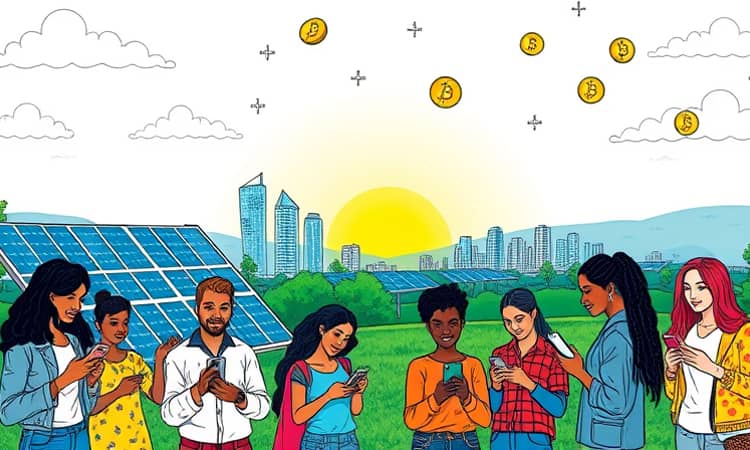
In an era marked by urgent environmental and social challenges, the financial sector is reinventing itself as a force for positive change. FinTech for Good (F4G) is more than a buzzword—it represents a paradigm shift toward embedding purpose into every transaction. By leveraging cutting-edge technologies and responsible strategies, F4G aims to reduce inequality, promote sustainability, and drive inclusive growth.
From Crisis to Catalyst: The Rise of Financial Innovation
The global financial crisis of the late 2000s exposed vulnerabilities in traditional banking. In its wake, nimble startups embraced fresh approaches to rebuild trust and access. These pioneers targeted unbanked populations, offering mobile wallets and micro-loans to communities long excluded from formal services.
Over the past decade, climate change, rising poverty, and digital divides have amplified the need for solutions that blend profit with purpose. Investors and regulators alike have recognized the urgency. By 2024, capital inflows into F4G ventures surged, underpinned by frameworks like ESG and Sustainable Development Goals.
Mapping Impact: Innovations and Strategies
According to a landmark Deloitte report, embedding social and environmental objectives within fintech requires clear strategies:
- Develop well-defined taxonomies combining tech and social needs to target underserved markets.
- Disrupt the profitability-impact trade-off by creating models that are both scalable and socially beneficial.
- Apply context-specific solutions tailored to local challenges, from credit inclusion in emerging economies to specialized services in advanced markets.
- Harness advanced technologies such as AI, biometrics, and blockchain to achieve broad, measurable outcomes.
These pillars guide fintechs and incumbents in designing products that solve real-world problems, from renewable energy financing to transparent impact reporting.
Real-World Success Stories
Concrete examples illustrate the transformative power of F4G:
- Solarise Africa employs an Energy-as-a-Service model across Kenya, financing and managing solar installations to bring clean power to underserved areas.
- Mobile fintech solutions in developing regions now enable peer-to-peer transfers, microcredit, and digital savings plans, fostering entrepreneurship and resilience.
- Targeted platforms mitigate racial wealth gaps by offering customized credit and investment tools for Black and Latino/Hispanic families in the U.S.
These initiatives not only expand access but also generate local economic growth, strengthen communities, and reduce environmental footprints.
Measuring Progress: Key Statistics
Data highlights the scale and momentum of FinTech for Good:
These metrics reflect rapid digital adoption across demographics and underscore the vital role of fintech in daily life.
Challenges and Ethical Imperatives
Despite impressive gains, FinTech for Good faces hurdles. Funding volatility can stall innovation in niche markets. Regulatory frameworks often lag behind rapid technological advances, risking consumer safety and systemic stability.
Ethical foundations are essential. Transparency, accountability, and inclusivity must drive product design and governance. Industry collaborations, public-private partnerships, and clear guidelines can mitigate risks while preserving the agility that defines fintech.
The Road Ahead: Future Outlook
Looking to 2026 and beyond, several trends will shape F4G’s trajectory:
- AI-powered agents facilitating end-to-end financial transactions with personalized advice and real-time risk management.
- Hybrid models combining philanthropic capital with commercial investment to sustain impact projects.
- Heightened focus on cybersecurity and data privacy, ensuring trust in automated services.
- Deeper integration of ESG metrics into mainstream finance, making sustainability a core performance indicator.
Experts agree that we are at the dawn of a new financial era. FinTech for Good embodies the potential to democratize access, empower individuals, and safeguard the planet. By aligning innovation with social purpose, the industry can become a catalyst for lasting, systemic change.
Ultimately, F4G is not an optional add-on but a fundamental redefinition of finance’s role in society. With the right blend of technology, ethics, and collaboration, stakeholders can build a financial ecosystem that serves both people and planet, unlocking prosperity and resilience for generations to come.