In a world where financial uncertainty casts a long shadow, many feel adrift without a clear path forward.
Only 27% of adults demonstrate solid financial knowledge, revealing a profound gap in literacy.
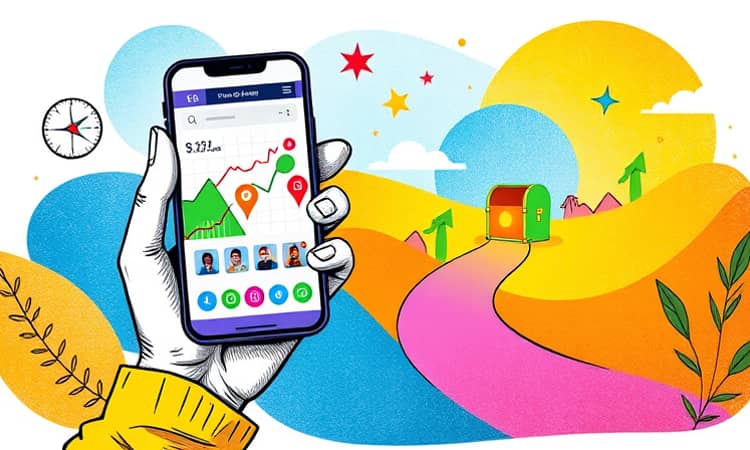
This article serves as your personal Financial GPS, transforming confusion into a navigable journey toward prosperity.
By embracing structured planning, you can illuminate the route to security and abundance.
Let's embark on this voyage together, starting with the tools that define your destination.
The Navigational Tools: Setting Your Destination
Every successful journey begins with knowing where you want to go.
Clear financial goals act as beacons, guiding your decisions through life's twists and turns.
Without them, it's easy to veer off course into debt or missed opportunities.
Consider these timeframes to structure your aspirations effectively.
- Short-term goals (3-12 months): Build an emergency fund or pay off high-interest debt.
- Medium-term goals (1-5 years): Save for a home down payment or develop extra income streams.
- Long-term goals (5+ years): Secure retirement or make substantial investments.
Setting SMART goals—Specific, Measurable, Achievable, Relevant, and Time-bound—ensures they are actionable.
This approach turns vague dreams into tangible milestones you can track and celebrate.
Remember, goals evolve with life changes like marriage or career shifts.
Regular reviews keep your financial GPS calibrated to your current reality.
Your Financial Roadmap: Step-by-Step Guidance
With goals in place, it's time to chart the practical steps to reach them.
This roadmap draws from proven strategies that bridge the literacy gap.
Follow these ten steps to build a robust financial foundation.
- Review and update your wealth plan regularly to align with life changes.
- Organize all financial accounts and ensure estate planning is in place.
- Calculate your net worth by listing assets minus liabilities.
- Set SMART goals that are Specific, Measurable, Achievable, Relevant, and Time-bound.
- Craft and track a budget using apps or spreadsheets to monitor spending.
- Manage debt by focusing on high-interest payments first to improve cash flow.
- Build an emergency fund covering 1-5 years of living expenses for safety.
- Save and invest systematically through auto-contributions to accounts like 401(k)s.
- For business owners, create revenue projections with best and worst-case scenarios.
- Engage in philanthropy and family money talks to foster financial health.
Automating savings can boost your consistency without daily effort.
Eliminating unnecessary expenses, like unused memberships, frees up resources.
These actions create momentum, turning small habits into significant wealth over time.
Navigating the Storm: Understanding Financial Challenges
Even with a map, storms can arise, testing your resolve.
Financial literacy gaps pose major obstacles, with only 5% of students fully self-financing.
Recognizing these challenges helps you prepare and persevere.
- Credit card full payments have dropped from 59% to 53%, indicating rising debt reliance.
- 5.2% of people have been denied jobs due to low financial knowledge, affecting careers.
- 68% of teens want financial literacy classes, but access is limited to 31%, hindering early education.
- 77% of U.S. adults do not feel completely financially secure, up from 75% in 2024.
These statistics highlight the urgency of taking control.
By addressing knowledge deficits, you can navigate economic turbulence with greater confidence.
Use tools like AI for planning, as 43% of Americans do, to stay informed.
Embracing education turns challenges into stepping stones toward resilience.
Your Dashboard: Tracking Essential Metrics
Just as a GPS provides real-time updates, your financial dashboard tracks progress.
Key metrics offer insights into your health and direction.
Monitoring them regularly ensures you stay on course.
A higher savings rate correlates with better long-term outcomes.
Aim to reduce your debt-to-income ratio to improve cash flow flexibility.
These metrics transform abstract goals into measurable achievements.
Regular check-ins, perhaps quarterly, keep your financial GPS accurate and responsive.
Steering Through 2025: Adapting to Economic Shifts
The financial landscape is ever-changing, with 2025 bringing unique considerations.
Potential interest rate reductions and election uncertainties require adaptability.
Prepare by integrating these strategies into your plan.
- Lock in yields from investments to capitalize on potential rate shifts.
- Focus on flexible budgets and contingency funds for business or personal use.
- Review fiduciary arrangements to ensure alignment with your goals.
- Optimize tax strategies for efficiency, addressing challenges like the 18% tax burden for small businesses.
Staying informed about economic trends empowers proactive decisions.
Use the year-end to organize documents and set visible goals for the coming year.
This forward-thinking approach turns uncertainty into opportunity.
By anticipating shifts, you can adjust your route without losing momentum.
Setting Sail: Immediate Actions for Success
The journey to financial success starts with a single step.
Immediate actions build the habits that sustain long-term growth.
Begin today with these practical moves.
- Automate your savings to ensure consistent contributions without effort.
- Eliminate one unnecessary expense today to start cutting costs immediately.
- Book a review with a financial advisor to get personalized guidance.
These small wins create a positive feedback loop, boosting motivation.
Remember, 45% cite financial plans as the top secret to success.
By taking action, you join the ranks of those charting their own course.
Your financial GPS is now active, ready to guide you through every decision.
Embrace this tool with confidence, knowing that each step brings you closer to your dreams.
Let this be the year you transform uncertainty into unwavering financial security.