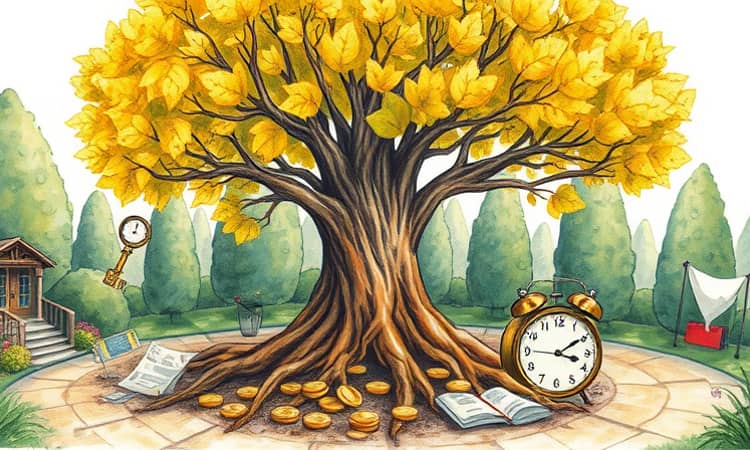
In a world where wealth transcends mere accumulation, the concept of an estate ecosystem offers a profound metaphor for nurturing your legacy.
Think of it as a self-sustaining system that preserves and expands family wealth through coordinated growth, much like ecological processes sustain life and resilience.
This approach moves beyond traditional estate management, viewing your assets, staff, and processes as interconnected components working in harmony.
By embracing this holistic perspective, you can cultivate a legacy that thrives across generations, ensuring not just financial stability but also personal fulfillment and security.
Understanding the Estate Ecosystem
At its core, an estate ecosystem mirrors natural ecosystems, where living and non-living elements interact for sustainability.
In the context of luxury estates or family wealth portfolios, this means integrating operations, stakeholders, assets, and processes into a cohesive whole.
The biotic components, or active elements, include people like estate owners, family offices, household staff, and vendors.
These individuals drive the system, much like producers and consumers in nature, by generating wealth and delivering essential services.
On the other hand, abiotic components provide the supportive infrastructure.
This includes technology platforms, budgets, and properties that act as the energy and foundation for operations.
Together, these elements create a dynamic environment where growth is not accidental but carefully cultivated through strategic planning and execution.
Key Components of Your Estate Ecosystem
To build a robust estate ecosystem, it's essential to focus on several critical components adapted from luxury estate operations.
- Staff Coordination and Workflow Management: This involves clear communication channels and task tracking to ensure duties align with overall goals.
- Vendor and Service Provider Integration: Standardized processes for requests and performance monitoring help maintain quality and efficiency.
- Asset Tracking and Portfolio Oversight: Digital inventories for high-value items like artwork and jewelry are crucial for preservation.
- Financial Oversight and Budget Coordination: Expense tracking across all areas enables transparent reporting and smart resource allocation.
- Quality Control and Performance Monitoring: Regular assessments foster continuous improvement and operational excellence.
- Security and Privacy: Secure platforms and background checks protect ultra-high-net-worth families from risks.
- Multi-Property Scaling: Systems for coordinating across locations ensure consistency and standards are upheld.
These components work together to create a seamless and efficient management framework.
The Metaphorical Mapping: From Nature to Wealth
Drawing parallels from ecology can illuminate how to cultivate growth in your estate.
Biotic components include producers like family investments that generate wealth, consumers such as staff and vendors who utilize resources, and decomposers like maintenance teams that recycle assets for sustainability.
A keystone species, such as an estate manager, plays a pivotal role in stabilizing the entire system; their absence can lead to operational collapse.
- Producers: Family offices as foundational wealth generators investing in diverse assets.
- Consumers: Household staff and vendors consuming budgets to deliver high-quality services.
- Decomposers: Financial auditors and maintenance crews recycling resources through repairs and upkeep.
- Keystone Species: Central figures whose oversight ensures system stability and resilience.
Abiotic components, like technology and budgets, provide the necessary support, similar to sunlight and soil in nature.
Functional processes essential for growth include productivity through asset growth, decomposition of inefficiencies, energy flow via budget allocation, and nutrient cycling through resource reuse.
- Productivity: Enhancing asset value through strategic investments and regular maintenance.
- Decomposition: Breaking down operational inefficiencies with audits and reviews.
- Energy Flow: Allocating budgets effectively to stakeholders for seamless operations.
- Nutrient Cycling: Recycling resources like staff training and vendor relationships for long-term value.
This mapping helps visualize your estate as a living, breathing entity that requires careful nurturing.
Cultivation Strategies for Growth
To foster growth in your estate ecosystem, adopt practical strategies that leverage technology and human capital.
Technology integration is vital, with unified platforms offering real-time data and communication for multi-property oversight.
This aligns with 2024 property trends, emphasizing discretion and security for ultra-high-net-worth families.
- Implement unified digital platforms for seamless communication and data management.
- Establish clear communication protocols to prevent gaps and maintain service standards.
- Use financial oversight tools for transparent budgeting and expense tracking.
- Enhance security measures with secure access controls and emergency plans.
- Develop staff through training programs to build a skilled and loyal workforce.
Sustainable operations focus on flexibility, adapting systems to evolving family needs and preserving long-term value.
By investing in staff development and fostering long-term vendor ties, you create a resilient ecosystem that can weather challenges.
Intergenerational wealth preservation requires a forward-thinking approach that balances immediate needs with future goals.
Scaling and Sustainability
As your estate grows, scaling becomes a key consideration, especially for families with multiple properties or global portfolios.
Multi-property scaling involves coordinating staff, vendors, and logistics across locations while maintaining consistent standards.
Performance monitoring through regular assessments ensures that the ecosystem remains efficient and effective.
- Coordinate operations across multiple properties using integrated technology systems.
- Monitor performance with feedback mechanisms for continuous improvement.
- Adopt sustainable practices like energy-efficient upgrades and eco-friendly maintenance.
- Plan for intergenerational transitions by documenting processes and training successors.
Sustainability in this context means creating systems that endure, much like resilient natural ecosystems.
By emphasizing long-term sustainability over short-term gains, you ensure that your legacy thrives for decades to come.
Ecosystem management principles highlight the importance of holistic oversight and adaptive strategies.
The Legacy Case: Keystone Roles and Services
The true power of an estate ecosystem lies in its ability to secure and enhance your legacy through tangible and intangible services.
Ecosystem services in estates include operational efficiency, privacy protection, and lifestyle security, which contribute to intergenerational wealth.
Keystone roles, such as estate managers or family principals, are crucial; their leadership stabilizes operations and drives growth.
Without them, the system risks decline, similar to how keystone species loss affects biodiversity in nature.
- Tangible Services: Asset value preservation through careful management and maintenance.
- Intangible Services: Family lifestyle security and peace of mind from a well-run estate.
- Keystone Impact: Central figures ensuring coordination and preventing operational failures.
- Resilience Benefits: Systems that adapt to changes and withstand external pressures.
This framework not only preserves wealth but also enriches family life, creating a legacy that is both financial and emotional.
By viewing your estate as an ecosystem, you invest in a future where growth is intentional and sustainable.
Legacy cultivation involves nurturing every component to work in synergy, much like a gardener tends to a diverse garden.
In conclusion, the estate ecosystem metaphor offers a transformative approach to wealth management.
By integrating key components, leveraging technology, and focusing on sustainability, you can cultivate a legacy that grows and endures.
Start today by assessing your current systems and implementing strategies that align with this holistic vision.
Your legacy is not just what you leave behind but how you nurture it along the way, ensuring it flourishes for generations to come.