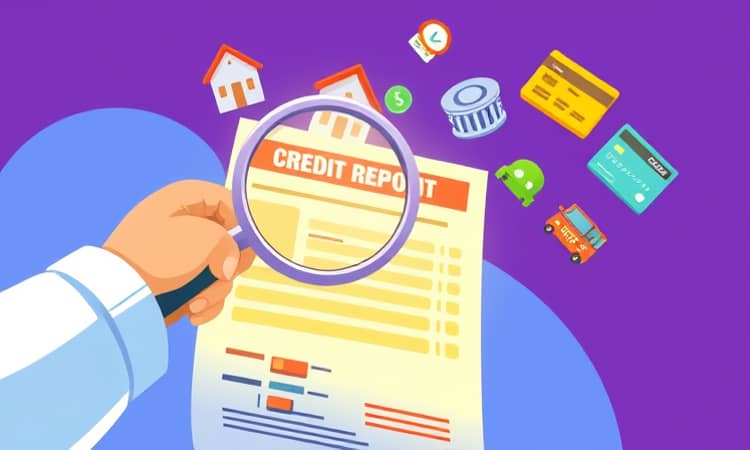
Your credit report is more than just a piece of paper; it's your financial footprint in the digital age.
Every financial decision you make leaves a mark, influencing loans, credit cards, and interest rates.
By understanding this document, you can take control of your economic destiny and build a secure future.
This comprehensive guide will walk you through every aspect, from the basics to advanced insights.
We'll start with what a credit report is and why it matters so much in today's world.
What Is a Credit Report and Why It Matters
A credit report is a summary of your credit history compiled by major agencies.
It tracks your borrowing and repayment behavior over time.
Lenders use it to assess your risk as a borrower before approving applications.
This impacts everything from mortgage rates to job opportunities in some cases.
Think of it as a financial report card that follows you throughout life.
The Major Credit Bureaus
In the United States, three nationwide bureaus dominate the credit reporting landscape.
- Equifax
- Experian
- TransUnion
Each bureau collects data independently, so reports may vary slightly.
They compile information from lenders, creditors, and public records.
Understanding these sources helps you manage your credit profile effectively.
Accessing Your Credit Report for Free
You have the right to access your credit reports without cost annually.
- Visit AnnualCreditReport.com for free reports from all three bureaus.
- Check weekly online updates offered by the bureaus themselves.
- Review reports regularly to catch errors early and maintain accuracy.
This proactive step is crucial for financial health and identity protection.
Setting reminders can ensure you never miss an opportunity to review.
Main Sections of Your Credit Report
Your credit report is divided into several key sections that detail your financial activity.
Each section provides specific insights into your credit behavior and history.
Reviewing each section helps you spot inconsistencies and ensure accurate reporting.
Errors here can unfairly lower your credit score and affect your finances.
Understanding Your FICO Score
The FICO Score is the most common credit score used by lenders.
It ranges from 300 to 850, with higher scores indicating lower risk.
Your score is calculated based on five key factors with specific weights.
- Payment History: 35% – Tracks on-time payments and late issues.
- Amounts Owed: 30% – Includes credit utilization and total debt.
- Length of Credit History: 15% – Based on account age and averages.
- New Credit: 10% – Considers recent inquiries and accounts.
- Credit Mix: 10% – Looks at variety in account types.
A good FICO Score typically falls between 670 and 739.
Improving these areas can lead to better loan terms and rates.
Regular monitoring helps you stay on top of changes and opportunities.
Common Terms and Codes
Credit reports use specific terminology to describe account statuses and types.
- Open/Current: Account is active and payments are up to date.
- Past Due: Payments are late, often categorized by days (30, 60, 90+).
- Revolving Accounts: Credit cards with flexible borrowing limits.
- Installment Accounts: Loans with fixed payments, like mortgages.
Understanding these terms empowers you to interpret your report accurately.
It also helps in communicating effectively with lenders and bureaus.
Red Flags to Watch For
Certain elements in your credit report can signal potential problems or errors.
- Unrecognized accounts or personal information variations.
- Late payment notations that you believe are incorrect.
- High credit utilization ratios above recommended levels.
- Spikes in hard inquiries without your knowledge.
- Collections accounts that you were unaware of.
Spotting these early allows for timely disputes and corrections.
It protects your score from unnecessary damage and identity theft.
How to Dispute Errors
If you find mistakes on your credit report, you can dispute them to have them corrected.
- Gather evidence, such as payment receipts or identification documents.
- Contact the credit bureau online or in writing with a clear explanation.
- Follow up regularly to ensure the dispute is processed promptly.
- Add a consumer statement to your report if needed for context.
This process can help restore your credit accuracy and score.
It's a vital step in maintaining control over your financial narrative.
Tips for Maintaining a Healthy Credit Report
Building and preserving a strong credit report requires consistent effort and smart habits.
- Pay all bills on time to avoid late payment marks.
- Keep credit card balances low relative to your limits.
- Avoid opening too many new accounts in a short period.
- Regularly review your credit reports for errors or fraud.
- Use a mix of credit types to demonstrate responsible management.
These practices contribute to a positive financial footprint over time.
They open doors to better financial products and lower costs.
Remember, your credit report is a dynamic tool that reflects your choices.
By staying informed and proactive, you can shape it to support your goals.
Embrace this knowledge as a stepping stone to financial freedom and confidence.