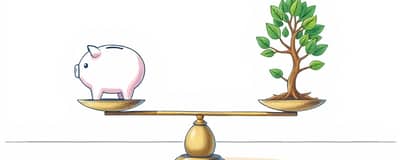
In a world of financial uncertainty, mastering your personal economy is the key to unlocking stability and fulfillment.
It's about more than just dollars and cents; it's the conscious management of your life's essential resources that defines true wealth.
By viewing your finances as a dynamic system, you can align every aspect with your values and goals.
What Is a Personal Economy?
A personal economy represents your entire financial and life management framework.
It involves creating value, capturing it, and deploying it to live fully while saving for the future.
This concept extends beyond money to include time, energy, attention, and social connections.
Think of it as running your life like a successful business, with strategic allocation of finite resources.
From an academic view, it's a complex system shaped by socio-ecological factors and personal decisions.
Embracing this mindset empowers you to navigate challenges with resilience and purpose.
Key Components of Your Personal Economy
Your personal economy rests on several foundational pillars that require careful attention.
Income generation is crucial for securing financial stability through career growth and diversification.
Spending encompasses all expenses, divided into cash and credit, and must be managed wisely.
Saving builds a safety net for emergencies and future needs, fostering peace of mind.
Investing helps grow wealth by combating inflation with assets like stocks or real estate.
Protection involves insurance and risk management to safeguard against unforeseen events.
- Career planning and lifelong learning
- Budgeting and spending efficiency
- Household resource management
- Credit score and debt management
- Emergency funds and retirement planning
Additional elements include estate planning, net worth tracking, and charitable giving.
Side hustles can diversify income, while generational wealth building secures long-term legacy.
Beyond Money: Managing Life's Resources
True personal economy integrates non-financial resources for holistic well-being.
Time must be allocated efficiently to balance work, leisure, and personal growth.
Energy management ensures you have the vitality to pursue goals without burnout.
Attention focuses your efforts on priorities, avoiding distractions that drain productivity.
Social connections provide support and opportunities, enriching your economic ecosystem.
Aligning these resources with your values leads to a more meaningful and balanced life.
- Prioritize tasks based on energy levels
- Limit screen time to conserve attention
- Nurture relationships for emotional capital
- Use tools like calendars for time tracking
This holistic approach transforms how you perceive and utilize every asset at your disposal.
The American Financial Landscape in 2026
As we look ahead to 2026, Americans face a mix of optimism and concern in their finances.
Conflicting perspectives highlight the tension between hope and anxiety in the economic outlook.
On the pessimistic side, many fear worsening personal finances due to persistent challenges.
Optimistic views show confidence in improvement, with many believing they can weather storms.
Mixed emotions reveal that feelings like stress and confidence often coexist in daily life.
Primary concerns include high inflation, political instability, and stagnant income growth.
Inflation has risen significantly since 2020, impacting purchasing power and daily expenses.
Credit card debt remains a burden, with high APRs affecting many households negatively.
- Continued high inflation (78% concern)
- Political landscape uncertainties
- Cost of living outpacing paychecks
- Rising prices for goods and services
Understanding these trends helps you adapt and plan for a resilient personal economy.
Age-Based Financial Realities
Financial priorities vary significantly across different age groups, shaping unique challenges.
Younger adults often focus on stability and income growth as they start their careers.
Middle-aged individuals grapple with debt management and family expenses intensively.
Older Americans prioritize retirement savings and attacking long-standing debt burdens.
These differences highlight how life stages influence economic decisions and stress levels.
- Ages 18-29: 42% feel finances remain the same
- Ages 30-44: 41% are financially worse off
- Ages 45+: More likely to prioritize debt repayment
Gender also plays a role, with men often more optimistic and women more anxious financially.
Recognizing these patterns allows for tailored strategies that address specific life phase needs.
Financial Goals and Debt Management Strategies
Setting clear financial goals is essential for driving progress in your personal economy.
Top priorities for 2026 include paying down debt, which is the most common aim.
Seeking higher paying jobs or additional income sources ranks high for many Americans.
Saving more for emergencies and budgeting better are critical for financial security.
Unfortunately, some have no financial goals, highlighting a need for increased awareness.
Implementation matters, with many treating these goals as New Year's resolutions to act on promptly.
- Paying down debt (19% main goal)
- Getting a higher paying job (14%)
- Saving for emergencies (13%)
- Budgeting spending better (12%)
Debt management involves tackling high-cost credit card balances first to reduce interest.
Building an emergency fund with regular contributions can prevent future financial crises.
Diversifying income through side hustles adds stability and accelerates goal achievement.
Risky Money Moves and Building Resilience
In 2026, many Americans plan to take financial risks, such as investing in cryptocurrency.
Starting a business is another common venture, reflecting entrepreneurial spirit and hope.
While these moves can offer high rewards, they also carry significant potential downsides.
Building resilience requires balancing risk with protective measures like insurance and savings.
Practical tools, such as budgeting apps, help track spending and optimize resource allocation.
Strategic resource allocation ensures that time and energy support financial growth effectively.
- Investing in cryptocurrency (20%)
- Starting a business (18%)
- Using budgeting apps for oversight
- Diversifying investments to spread risk
By adopting a proactive approach, you can navigate uncertainties and strengthen your economic foundation.
Conclusion: Taking Control of Your Personal Economy
Mastering your personal economy is a journey of continuous learning and adaptation.
It empowers you to live intentionally, aligning resources with what truly matters to you.
Start by assessing your current situation and setting achievable, value-based goals.
Use the insights and strategies shared here to build a resilient and prosperous future.
Remember, your personal economy is not just about surviving—it's about thriving in every aspect of life.