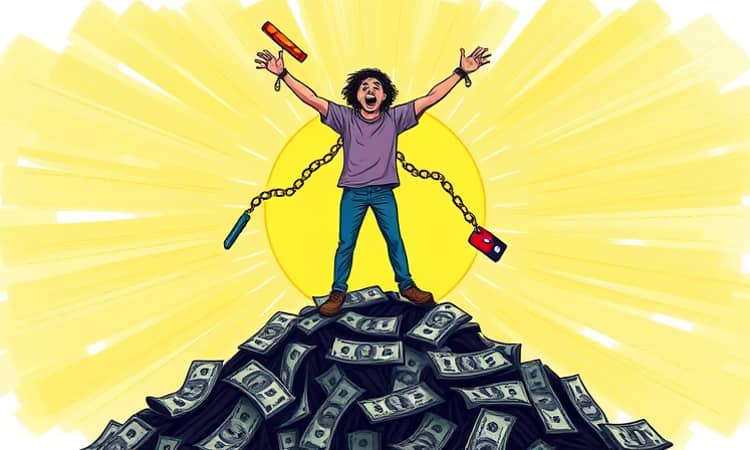
In a world where debt can feel like an unmovable mountain, a clear path toward financial independence offers renewed hope. This guide presents a structured, step-by-step process to reclaim control over your finances, no matter the balance you carry.
Through practical tactics, motivational insights, and comparison of proven methods, you will learn how to design a personalized plan for long-term success. Every journey begins with understanding the terrain; let’s map out the route to lasting financial freedom.
Step-by-Step Debt Repayment Frameworks
Before choosing a repayment method, it is essential to inventory your obligations, halt new borrowing, and free up funds. Below is a six-step framework that has guided countless individuals toward debt elimination:
- List all debts with balances, interest rates, and minimum payments.
- Create a realistic budget to free up extra funds each month.
- Decide between snowball or avalanche methods for targeted payoff.
- Consider a consolidation loan to combine balances into one payment.
- Negotiate lower rates or revised terms with creditors.
- Build an emergency fund post-debt to avoid relapse into borrowing.
This approach ensures you have clarity on every outstanding obligation and are taking proactive steps to dismantle debt efficiently.
Comparing Repayment Methods
Different strategies emphasize either psychological momentum or mathematical efficiency. The table below compares four popular methods to help you choose the one that fits your circumstances:
Research shows that small victories increase completion likelihood, making snowball ideal for many, while avalanche remains the cost-saving champion for those who prioritize long-term efficiency.
Debt Consolidation and Settlement Options
When faced with multiple high-interest balances, consolidation can simplify payments. Settlement offers another avenue, though it carries credit risks. Consider these options carefully:
- Consolidation Loan: Combine debts into a lower-rate loan or 0% introductory balance transfer card. Simplifies payments and reduces interest.
- Debt Settlement: Employ a third party to negotiate lump-sum payoffs at 15–20% less than the full balance. Note potential credit score impact.
Choosing the right relief strategy depends on your credit profile, interest rates available, and willingness to accept potential trade-offs in score.
Budgeting and Preventing Future Debt
A robust budget is the foundation of systematic debt freedom. Follow these key tactics:
- Stop incurring new debt immediately to focus resources on repayment.
- Track every dollar with spreadsheets or budgeting apps for full transparency.
- Allocate any surplus toward targeted debt while covering all minimum payments.
- Once debts are eliminated, build a 3–6 month emergency fund to guard against unexpected expenses.
By maintaining strict spending controls and clear priorities, you will reduce the risk of sliding back into borrowing and establish a sustainable financial lifestyle.
Motivational and Psychological Strategies
Debt repayment is as much a mental challenge as it is a numbers game. Techniques to stay inspired include:
• Set tangible milestones, such as paying off a credit card or student loan, and celebrate each success.
• Use visual trackers—charts or apps—to see progress in real time.
• Partner with an accountability buddy to share wins and setbacks.
Behavioral research confirms that visible progress fosters sustained effort. Quick wins, especially through the snowball method, can build momentum that carries you through longer, more challenging phases.
Negotiation and Creditor Perspectives
Proactive communication with creditors can yield better terms and lower interest rates. Consider these best practices:
- Reach out before missing payments to discuss modified installment plans.
- Highlight any financial hardships and request rate reductions or waived fees.
- Maintain a friendly, solutions-oriented tone to foster goodwill.
Creditors often prefer structured repayment plans over defaults, so negotiating can benefit both parties and accelerate your path to freedom.
Beyond Debt: Rebuilding Credit and Sustaining Success
Eliminating debt is a monumental achievement, but the journey continues. After payoff, focus on:
• Rebuilding your credit by maintaining low utilization and timely payments.
• Exploring hybrid approaches, such as combining avalanche for interest savings with snowball for motivation.
• Leveraging AI reminders and financial tools to monitor spending and optimize future borrowing.
With careful planning and disciplined execution, you will not only free yourself from debt but also forge a resilient financial future free from the weight of borrowing.