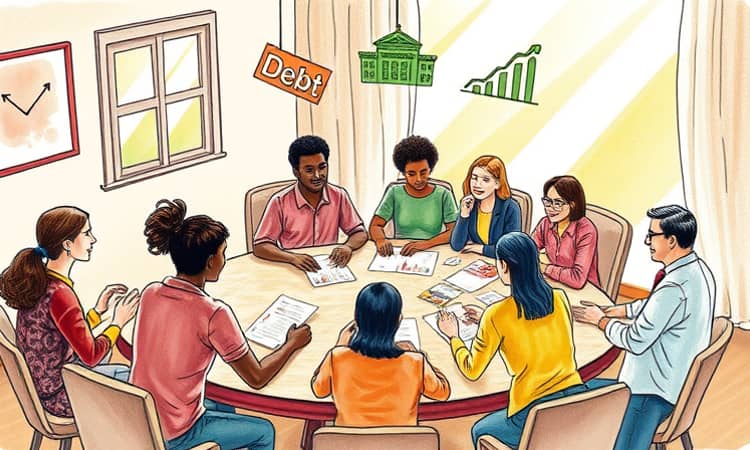
Discussing debt can feel daunting, yet it is a path toward empowered financial decision-making and collective relief.
Understanding the Global Debt Landscape
At the macro level, the world’s total debt has soared to nearly $346 trillion, stabilizing above three hundred percent of global GDP. Public debt accounts for around 93% of GDP, while private debt, though recently declining, still burdens households and corporations.
Country comparisons reveal stark contrasts: the United States shoulders 121% of GDP in public obligations, China’s private obligations surge above 206% of GDP, and Japan holds an astounding 256% of GDP in national liabilities. Emerging markets face rising costs, while low-income nations struggle under liquidity pressures.
These trends remind us that debt is not just a national challenge but a universal financial burden we share. Recognizing these patterns helps frame our personal dialogues and strategies.
Personal Impacts: The Weight of Financial Obligations
Debt can evoke anxiety, sleepless nights, and strained relationships. High interest rates and mounting balances amplify stress, creating a cycle that feels impossible to break.
Yet beneath every statistic lies a person coping with credit card bills, student loans, or unforeseen medical expenses. Admitting the challenge is the first step toward relief. By naming the problem, we open the door to support, advice, and practical repayment momentum.
Core Strategies for Personal Debt Management
Two dominant approaches help individuals tackle multiple debts effectively:
- Debt Snowball Method: Attack the smallest balance first to build quick wins and motivation.
- Debt Avalanche Method: Target the highest interest rate to minimize total interest costs over time.
Each method has its merits: the snowball fuels positive reinforcement, while the avalanche delivers mathematical efficiency. Choose the plan that aligns with your psychology and goals.
Consolidation and Counseling Options
Bringing multiple debts into a single payment can simplify your journey and reduce overall interest expense. Common consolidation tools include balance-transfer credit cards with promotional 0% APR, personal consolidation loans, and nonprofit Debt Management Plans (DMPs) that negotiate lower rates.
Debt Management Plans often involve a three- to five-year timeline, modest fees, and no minimum credit requirements. Working with a qualified credit counselor can provide accountability, structure, and education as you progress toward a debt-free life.
Budgeting Frameworks: Building a Solid Foundation
A reliable budget guides every payment decision. The 50/30/20 Rule allocates:
- 50% to needs, including minimum debt payments and essentials.
- 30% to wants, allowing for controlled indulgences.
- 20% to savings or extra debt repayments.
Tracking expenses through apps, automating payments, and conducting periodic no-spend challenges help maintain discipline. Prioritizing debt as a “need” ensures consistent progress.
A Comparative Table of Debt Strategies
Psychological Insights and Open Conversations
Talking openly about money shatters stigma and fosters mutual support. Share your plans with trusted family members or friends. A simple conversation can provide accountability, fresh perspectives, and encouragement.
Use technology and education to bolster confidence. Financial literacy courses, budgeting apps, and supportive communities can transform isolation into collective problem-solving power and resilience.
Looking Ahead: Navigating the 2026 Debt Climate
Global forecasts project a slight slowdown in output growth to 2.7% in 2026, with interest costs continuing to strain budgets. Yet private debt service ratios in the US and Europe are easing, suggesting improved opportunities for individual paydowns.
Corporate borrowing for AI and clean energy nears $100 trillion, highlighting the evolving landscape. Meanwhile, household and personal borrowers benefit from lower private rates. Embrace these shifts to accelerate your repayment journey.
Action Steps: Transform Conversation into Progress
- Inventory all debts: list amounts, rates, and minimum payments.
- Select and commit to a repayment strategy: snowball or avalanche.
- Establish a budget using the 50/30/20 Rule and automate payments.
- Engage in open money talks with friends, family, or advisors.
- Explore consolidation or counseling if needed for extra support.
By taking structured action and fostering transparent dialogue, you can transform financial stress into strategic progress. Remember, debt is a chapter in your story, not the entire narrative.
Every conversation, every payment, and every small victory builds toward lasting freedom and confidence. Embrace the journey and share your progress—because open dialogue is the most powerful tool in managing your financial load.