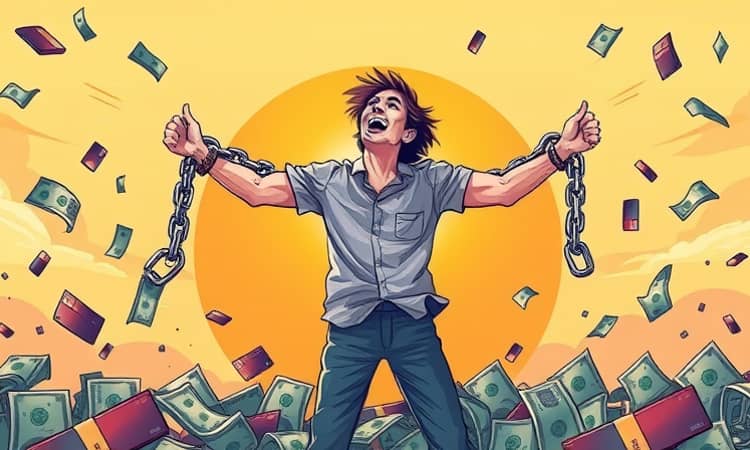
In mid-2025, average American consumer debt stands at $104,755, marking a slight dip from the previous year yet highlighting the enduring struggle many face. Total U.S. consumer debt reached $18.33 trillion, influenced by rising mortgages, credit cards, and student loans. Against this backdrop, millions of Americans are determined to take control, transform their financial futures, and break free from the chains of debt.
Understanding The Debt Landscape
The U.S. debt ecosystem in 2025 reveals diverse challenges. Mortgage obligations surged to $12.34 trillion, auto loan balances hit $1.66 trillion, and credit card debt climbed to $1.23 trillion. Notably, HELOC balances jumped 11.3% to $391.2 billion, reflecting a growing reliance on home equity. Student loan debt remains a critical concern at $1.65 trillion, with nearly 10% delinquent by 90 days or more.
By examining year-over-year changes and averages, we can pinpoint where pressures intensify and where relief emerges. A closer look at the breakdown by debt type illuminates opportunities for targeted action.
This data underscores that while overall average debt has dipped marginally, certain categories like HELOCs and mortgages are steadily climbing. Recognizing these patterns is the first step toward targeted debt reduction.
Why Debt Reduction Is Essential
For 42% of Americans, reducing debt ranks as the top financial goal of 2025. Beyond the numeric burden, debt affects long-term wealth building, mental health, and life plans. High interest rates and mounting balances can erode buying power and delay milestones such as homeownership or retirement.
With 90% of consumers actively working to lower their obligations, the national mindset is shifting toward financial responsibility. Embracing debt reduction not only improves credit health but also fosters a sense of empowerment that resonates across all areas of life.
Barriers To Your Debt-Free Journey
Despite strong intentions, many face obstacles that hinder progress. Identifying these barriers allows you to craft realistic solutions.
- Too many essential expenses squeezing budgets
- High outstanding balances with accumulating interest
- Uncertainty about where to start or which debts to prioritize
- Fear of negative impacts on credit scores when consolidating
- Lack of reliable financial guidance and accountability
Proven Strategies For Demolishing Debt
Breaking free from debt requires a multi-pronged approach. Below are tried-and-tested strategies to accelerate your journey.
- Cut discretionary spending on dining out, subscriptions, and non-essentials
- Adopt a zero-based budget to assign every dollar a job
- Increase payments on high-interest debts to reduce principal faster
- Leverage debt consolidation loans for a single, lower-interest payment
- Pursue side hustles or part-time work to boost monthly income
Creating A Personalized Debt Action Plan
Armed with data and strategies, it’s time to build your custom roadmap. Start by listing all debts, interest rates, and minimum payments. Use a debt-to-income calculator to measure capacity and set realistic payoff timelines.
Prioritize debts with the highest interest rates or smallest balances first—often called the avalanche or snowball methods. Set weekly or monthly checkpoints to adjust payments, track progress, and celebrate small victories. Keep a debt log updated and visualize your achievements to maintain momentum.
Tools And Resources For Financial Empowerment
Accessing the right tools can streamline debt reduction and boost confidence. Consider the following resources to support your journey:
- Online debt calculators to project payoff dates and interest savings
- Budgeting apps that synchronize bank accounts and categorize spending
- CFPB’s Your Money, Your Goals toolkit for structured planning
- Credit monitoring services to track score improvements
Looking Ahead: The Future Of Your Financial Health
As we approach 2026, economic conditions forecast moderate inflation and potential rate stability. By proactively demolishing debt now, you position yourself to capitalize on investment opportunities, home equity growth, and retirement planning. Cultivating long-term financial habits—such as regular budgeting, emergency funds, and continued education—will ensure lasting resilience.
Reclaiming your financial power is more than a resolution; it’s a transformative journey toward security and freedom. Start today, armed with knowledge, a solid plan, and unwavering determination. Your future self will thank you.