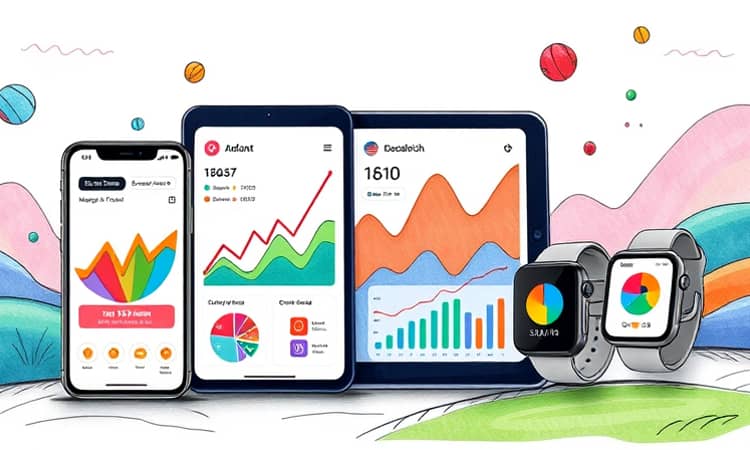
In today’s competitive fintech landscape, crafting exceptional user experiences is no longer a luxury—it’s a necessity. With 89% of users willing to switch banks for a better digital journey, financial institutions must prioritize design that feels secure, simple, and empowering. When users open an app, they’re not just checking balances; they’re seeking reassurance, clarity, and control over their money.
Designing a fintech application means balancing complexity with elegance, ensuring that every tap, swipe, and notification builds trust rather than anxiety. By focusing on fundamental principles and emerging trends, designers can transform routine transactions into meaningful experiences that foster loyalty and growth.
Foundational Design Principles
Successful fintech apps rest on four interconnected design principles that shape every screen, flow, and feature.
- Trust — Establish confidence through consistent branding, transparent processes, and clear security cues from onboarding to transaction confirmation.
- Clarity — Present information without overwhelming users. Focus on one primary metric per view, use progressive disclosure, and employ layers of numerical data with clear labels and icons.
- Empowerment — Guide decisions with visual progress indicators, badges, and contextual tips. Frame complex tasks as achievable milestones to boost user motivation.
- Continuity — Ensure real-time syncing, preserved context across devices, and automatic progress-saving so users can switch platforms without losing momentum.
Overcoming Fintech UX Challenges
Designing for finance introduces unique hurdles that demand thoughtful solutions. Understanding these challenges is key to delivering a calm, intuitive experience.
- Psychological weight: Users approach apps with anxiety; reduce friction and emotional burden at every step.
- Data density: Simplify dense numerical dashboards without hiding critical details.
- Regulatory constraints: Balance simplicity with accuracy while adhering to robust regulatory compliance measures.
- Frictionless pitfalls: Prevent unintended actions by adding deliberate confirmation steps for high-stakes transactions.
Addressing these challenges involves user research, iterative testing, and collaboration with compliance teams to maintain both ease-of-use and trustworthiness.
Emerging Trends Shaping 2026
The fintech space evolves rapidly. Staying ahead means embracing innovations that resonate with user needs and expectations.
- Cutting-edge AI-driven personalization — Predict habits, flag anomalies, and suggest tailored financial plans.
- Super Apps & ecosystems — Consolidate banking, investments, insurance, and payments into a single, modular hub.
- Instant payments & feedback — Provide real-time transaction statuses and immediate confirmations.
- Social & contextual features — Integrate P2P payments, bill-splitting, and shared wallets for group interactions.
- Biometric authentication — Employ fingerprint and facial recognition for seamless, secure logins.
- Voice interfaces — Enable natural language commands for transfers, balance inquiries, and budget checks.
- Augmented reality visualizations — Render intuitive financial data visualization through AR overlays and interactive graphs.
Best Practices for Designing Fintech Apps
Implementing best practices ensures apps not only look polished but also serve real user needs efficiently and responsibly.
Beyond these core techniques, engaging dashboards that surface recent activity, upcoming bills, and personalized tips can elevate an app from good to exceptional. Light gamification through savings milestones and badges transforms routine tasks into rewarding journeys.
Continuous improvement is paramount. Gather user feedback, conduct A/B tests, and refine designs to solve real pain points. Avoid expert bias by testing early with new users and iterating quickly based on quantitative and qualitative insights.
Case Studies in Action
Real-world examples demonstrate how thoughtful UX design translates into user loyalty and business growth.
Revolut leverages AI to highlight spending patterns and recommend actionable insights, making personalization feel like personal financial coaching.
Chime keeps its interface serene by focusing on one balance at a time, tucking secondary features into expandable menus to reduce cognitive load.
PayPal’s Redesign consolidated key actions into a streamlined navigation, clarified fee structures, and simplified dashboards, proving that trust often emerges from subtraction rather than addition.
Prift used early A/B tests to favor calm layouts over cluttered screens, refining its visual hierarchy so users could compare savings and investments with ease.
By integrating these design principles, overcoming unique challenges, and embracing emerging trends, you can build financial apps that not only meet user expectations but inspire confidence and loyalty. The future of fintech lies in experiences that balance innovation with empathy, ensuring every interaction feels both powerful and reassuring.