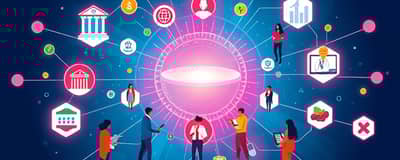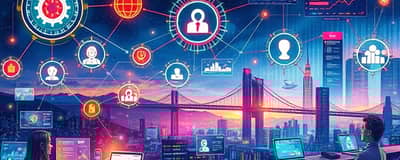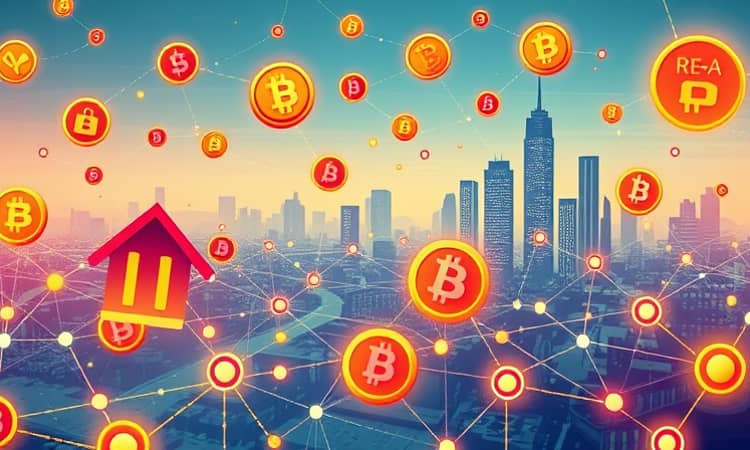
In an era defined by rapid technological change, finance is undergoing a profound transformation. Connected Capital emerges as the bridge between traditional assets and a future driven by digital innovation. By merging blockchain-based tokens with IoT sensors, we are witnessing the birth of an interconnected digital finance ecosystem where real-world assets come alive in real time.
The Evolution of Digital Assets into a Dynamic Finance Ecosystem
Digital assets have evolved far beyond simple cryptocurrencies. Today, they encompass a wide array of tokenized property, from real estate and bonds to unique non-fungible tokens representing art or intellectual property. Classified by regulators as property rather than currency, these assets benefit from robust legal frameworks that treat each token as a traceable, taxable holding.
At the same time, IoT technology is embedding everyday devices with sensors that monitor, record, and communicate data seamlessly. When combined, blockchain and IoT form an automated, data-driven marketplace where asset ownership and movement are verified instantly, reducing settlement times and operational friction.
- Cryptocurrencies: Bitcoin, Ethereum, and emerging convertible virtual currencies.
- Stablecoins: Asset-backed tokens pegged to fiat currencies for price stability.
- Non-Fungible Tokens (NFTs): Unique digital items with provable ownership.
- Tokenized Real-World Assets: Real estate, commodities, and bonds represented on blockchains.
- Other Digital Claims: Documents, IP rights, and multimedia stored as tokens.
Real-World Applications Powering Finance with IoT
Connected Capital is not a distant concept; it is already reshaping how value moves across the globe. In trade finance, IoT-enabled sensors attached to shipping containers trigger automatic payments upon proof of delivery. Consumers use mobile wallets that authenticate transactions through location-based IoT beacons. Banks employ wearables and biometric sensors to strengthen security at ATMs, reducing fraud by verifying user identity in real time.
In insurance, usage-based models leverage telemetry from vehicles and health wearables, enabling policies that adapt to behavior and risk. Asset managers trade tokenized shares of real estate portfolios instantly, bypassing traditional custodial intermediaries. Each application underscores a central theme: the fusion of secure, decentralized ownership with continuous data flows.
Overcoming Challenges on the Path to Adoption
As compelling as Connected Capital is, it faces hurdles. Market participants must navigate regulatory frameworks that treat digital tokens as property, requiring meticulous tracking of cost basis, transaction dates, and fair market values for tax reporting. Volatility in cryptocurrency markets adds uncertainty, while interoperability between diverse blockchains and IoT protocols remains a technical challenge.
- Regulatory Compliance: IRS guidelines on digital asset taxation and reporting.
- Technical Integration: Ensuring blockchain and IoT platforms interoperate securely.
- Market Volatility: Managing price fluctuations in token valuations.
- Data Privacy: Protecting user information collected by IoT devices.
Organizations must adopt rigorous asset management software to audit and categorize digital holdings. Digital Asset Management (DAM) systems provide secure storage, indexed search, and permission controls, ensuring that each token’s provenance and status are transparent to stakeholders.
Looking Ahead: The Future of an Internet of Finance Assets
The promise of Connected Capital extends beyond incremental improvements. Imagine a world where property deeds, stock certificates, and bond interests are all live digital tokens, settling in seconds rather than days. Smart contracts execute rental payments automatically upon meter readings, while decentralized insurance policies adjust premiums in real time based on sensor data.
Global forecasts highlight an unstoppable trajectory. Asia-Pacific leads with rapid adoption, North America remains a market powerhouse, and Europe pioneers regulatory clarity. By 2034, the Internet of Finance Assets could underpin a multi-trillion-dollar ecosystem, unlocking liquidity and democratizing access to investments once reserved for institutions.
- Embrace Tokenization: Convert physical assets into tradable digital tokens.
- Invest in IoT Infrastructure: Deploy sensors and secure connectivity.
- Implement DAM Solutions: Track, audit, and secure your digital portfolio.
- Collaborate on Standards: Engage in industry consortia for interoperability.
For forward-thinking businesses and individual investors alike, Connected Capital offers a roadmap to transform traditional finance processes into an agile, transparent, and inclusive system. The convergence of IoT and digital assets is not just an innovation—it is the foundation of a new financial reality where value flows freely, trust is embedded in code, and every asset can participate in the global economy.
As you embark on this journey, remember that preparation is key. Establish clear governance policies, train your teams on blockchain and IoT security, and partner with trusted technology providers. By doing so, you will position yourself at the forefront of the Internet of Finance Assets, ready to harness the full potential of Connected Capital.