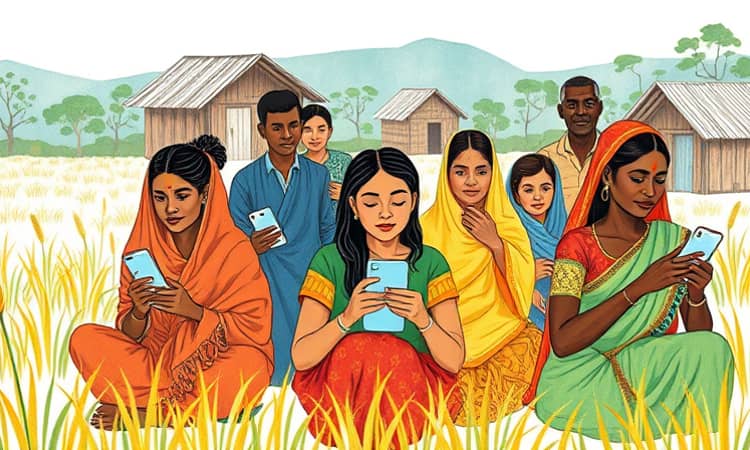
Financial inclusion has become a global rallying cry, uniting policymakers, innovators, and communities in pursuit of a single goal: ensuring everyone has equitable access to essential financial services. Despite remarkable progress over the past decade, millions remain shut out of formal banking systems, unable to save securely, make digital payments, or access credit. In this article, we explore the evolving fintech landscape, highlight inspiring case studies, and offer practical strategies to bring underserved populations into the financial fold.
Uneven Landscape of Financial Inclusion
According to the World Bank’s Global Findex 2025 report, an impressive 79% of adults worldwide now hold a financial account, a significant leap from 62% in 2014. However, this progress masks stark regional disparities. In East Asia and the Pacific, account ownership soars to 83%, while the Middle East and North Africa languish at just 53%. Low- and middle-income countries (LMICs) have seen an 80% increase in account ownership since 2011, yet 1.6 billion people remain unbanked or inactive.
While digital payments and mobile accounts drive this momentum, gaps persist. Only 62%–67% of adults in LMICs made or received digital payments in 2024, and just 42% used digital channels for goods purchases. Savings habits are improving—40% of adults in LMICs now save formally, up 16 points since 2021—but one in two cannot cover a month’s expenses in an emergency. Bridging these divides requires targeted solutions that meet people where they are.
Innovative FinTech Tools Transforming Lives
Fintech companies are rapidly expanding beyond traditional banking corridors, unleashing a wave of creativity. From embedded payment platforms like Venmo to buy-now-pay-later services such as Affirm and Afterpay, these tools offer alternatives to cash and predatory lending. Early wage access programs and automated savings apps are dismantling barriers, while personalized budgeting platforms deliver tailored financial guidance at scale.
- Peer-to-peer transfers reducing reliance on cash couriers
- Biometric authentication enhancing account security
- Savings automation tools that foster healthy habits
- Microloans delivered via mobile wallets
Strategic API integrations further strengthen these innovations. As many as 84% of fintech firms partner with traditional financial institutions, leveraging established infrastructure while extending reach into rural and marginalized communities. The result is an ecosystem where finance flows more freely, equity is prioritized over equality, and trust in digital assets grows.
Barriers That Persist
Despite extraordinary breakthroughs, significant hurdles remain. Distrust of banks—often rooted in historical neglect or opaque practices—continues to exclude millions. Connectivity gaps and unaffordable data plans prevent 16% of adults in LMICs from even owning mobile phones. Low literacy rates, especially financial literacy averaging just 32% in some regions, throttle the adoption of digital services.
- Geographical isolation leading to high transaction costs
- Inadequate infrastructure in rural and remote areas
- Lack of formal identification documents
- Limited user education on digital financial management
These barriers often compound for hard-to-reach groups: rural smallholders, women entrepreneurs, and microbusiness owners struggle to overcome intersecting challenges. In the Solomon Islands, for example, traveling to the nearest bank can take over an hour and cost the equivalent of a day's wages. Solutions must be flexible enough to address localized constraints.
Case Studies: Lessons from Around the World
Kenya’s M-PESA revolution offers a blueprint. Launched in 2007, this mobile money platform now boasts 69% account penetration and processes transactions worth over 55% of the nation’s GDP. Crucially, it lifted nearly 200,000 households out of poverty by providing affordable, accessible financial tools.
Ghana’s Mobile Money Interoperability (MMI) initiative demonstrates the power of policy and technology working in concert. By standardizing protocols and licensing fintech operators, Ghana achieved 97% inclusion and boosted financial literacy through government-led programs. Bangladesh showcases how digital wages for rural migrants can increase household savings by nearly 300% and reduce extreme poverty by 42%.
At the policy level, global efforts are gaining traction. Initiatives such as the FCDO Digital Strategy aim to reach 20 countries by 2030, while the UNDP’s 50-in-5 Digital Public Infrastructure campaign supports rapid scaling. In Afghanistan, UNCDF and UNDP pilots are digitizing NGO payments to 35 million adults, illustrating how humanitarian and development finance can converge on digital rails.
Charting a Path Forward
The next phase of financial inclusion will require more than incremental improvements. Stakeholders must coalesce around a shared vision of inclusive growth through digital infrastructure. Governments, fintechs, and traditional banks can collaborate on interoperable platforms, ensuring seamless transfers and lowering costs for end users.
- Invest in affordable connectivity and mobile network expansion
- Promote financial literacy through community workshops and digital tutorials
- Encourage data-driven regulation to monitor progress and risks
- Support equity-focused lending products for smallholders and women
Fintech firms must continue to innovate responsibly, avoiding predatory practices and focusing on long-term resilience rather than short-term gains. By offering equity-focused personalized banking solutions, they can help families weather emergencies, build credit histories, and plan for future growth.
Ultimately, financial inclusion is not simply about access—it is about empowerment. When underserved individuals gain the tools to save, transact, and borrow with dignity, they unlock unprecedented opportunities for entrepreneurship, education, and social mobility. The journey ahead demands collaboration, creativity, and a steadfast commitment to leaving no one behind.