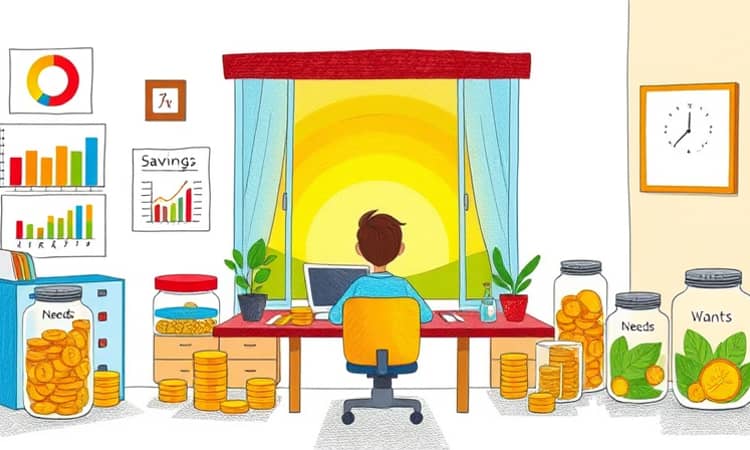
Embarking on the journey to financial freedom can feel overwhelming at first, but taking control of your money starts with one simple decision: to budget. By giving every dollar a purpose, you transform uncertainty into confidence and stress into empowerment.
This guide will inspire you with practical steps, real-world examples, and expert tips to help you build a budget that aligns with your dreams and adapts to life’s surprises. No matter where you start, these principles will light your path forward.
Understanding the Foundation of Budgeting
Budgeting is more than tracking expenses—it’s about allocating funds to your highest priorities. When you know exactly where your income goes each month, you’re equipped to make informed decisions, avoid debt, and build an emergency cushion.
Imagine Sarah, a recent college graduate, juggling rent, student loans, and a part-time side hustle. She felt trapped until she mapped every dollar coming in and out. Suddenly, she found hidden pockets of spending on takeout meals and unused subscriptions that, once redirected, funded her first emergency fund.
- 50% of income covers essentials like housing and groceries.
- 30% goes toward wants such as dining out and hobbies.
- 20% is reserved for savings and debt repayment.
Step-by-Step Process to Craft Your First Budget
Starting your budget doesn’t require a financial degree—just honest numbers and the will to change. Follow these six steps:
- Assess your total monthly income after taxes.
- Track and list every expense for 30 days.
- Categorize spending into needs versus wants.
- Define short-term and long-term financial goals.
- Perform budget math to check for surpluses or deficits.
- Create a clear, written plan and assign amounts.
First, calculate your net income. Include salaries, side gigs, and any investment earnings. Next, for one month, keep every receipt or screenshot of transactions—this is your spending snapshot.
Divide those expenses into essential and optional categories. Essentials cover rent, utilities, groceries, insurance, and transportation. Optional expenses are things like streaming subscriptions or that daily latte. When you see the full picture, you can decide where to trim to fund your goals.
Tools and Techniques to Stay on Track
It’s easy to slip back into old habits without the right support. Incorporate tools that automate and simplify your efforts, so you spend less time worrying and more time enjoying progress.
- Budgeting apps like Goodbudget or MyFi 360 for real-time tracking.
- High-yield savings accounts for your emergency fund.
- Automatic transfers into savings or retirement accounts.
Many banking apps now allow you to set up round-up features that transfer change into savings. Others let you create separate “buckets” for bills and fun money. Automate your savings and debt payments so contributions happen consistently, even on days you feel unmotivated.
Sample Monthly Budget Breakdown
Seeing an example can spark ideas for your own plan. Below is a sample budget for someone earning $3,000 per month after taxes.
Strategies for Long-Term Success
Creating a budget is just the beginning. Real growth happens when you adapt and refine over time. Here are key strategies to ensure your budget evolves with your life:
- Review and adjust your budget monthly or after major income changes.
- Build flexibility: allocate a small buffer for unplanned costs.
- Reward milestones—treat yourself when you hit a savings goal.
Financial health is a marathon, not a sprint. Celebrate when you pay off a credit card or reach three months of living expenses in your emergency fund. These wins build momentum and confidence.
Remember to embrace flexibility within your monthly budget. If you overspend in one category, compensate by trimming another. Consistency over perfection will make budgeting feel like a natural part of life.
Building a Mindset for Wealth and Freedom
At its core, budgeting is a mindset shift. It’s moving from reactive spending to proactive planning. When you treat each dollar as a tool, you unlock choices you never knew possible—like taking that dream vacation or starting your own business.
Imagine a future where you’re not anxious about bills or unexpected repairs. Instead, you have a robust emergency fund, automated investments growing quietly, and the freedom to say “yes” to experiences that matter most.
Adopting strong financial habits today can compound into generational wealth and security for you and your family. The skills you learn now will serve you for decades, giving you control over your time and dreams.
Conclusion: Your Path Begins Now
Budgeting might feel like a chore at first, but it’s the greatest gift you can give yourself. By tracking every dollar, setting clear goals, and leveraging simple tools, you’ll develop lasting habits for financial independence.
Tackle your first budget this week. Start small, stay flexible, and celebrate every milestone. With patience and persistence, you’ll transform your money from a source of stress into a springboard for your dreams. Your journey to financial freedom begins now.