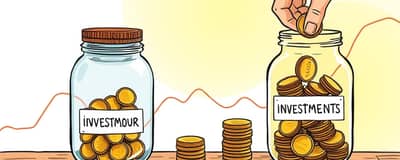
Stepping into the world of finance can feel overwhelming, but with the right guidance and mindset, even a newcomer can build lasting wealth. This blueprint will lead you through everything a beginner needs in 2026: from understanding basic concepts to launching your first automated investment.
Understanding the Basics of Investing
Before deploying any capital, it’s essential to grasp core principles. Compound interest accelerates growth over time, turning small, consistent investments into substantial sums. The market functions by matching buyers and sellers of assets, and price moves reflect supply, demand, and underlying fundamentals.
Investments generally fall into several categories:
- Stocks: Ownership stakes in companies, offering potential appreciation and dividends.
- Bonds: Fixed-income instruments representing debt, providing regular interest payments.
- Mutual Funds and ETFs: Pooled assets across many investments, delivering broad diversification.
Why 2026 Presents a Unique Opportunity
Historically, the stock market has produced about a 7% annual return after inflation. By starting now, you leverage time-tested market growth and begin the compounding cycle sooner. Overcoming inflation and achieving financial independence become more attainable goals when you ride multi-decade market trends.
Global economies continue to expand, and technology-driven sectors open new pathways for growth. With low account minimums and user-friendly platforms, barriers to entry have never been lower.
Preparing to Invest
Setting a strong foundation reduces future stress and shields against emergencies. Follow these preparatory steps:
- Build an emergency fund equal to three months of essential expenses (e.g., $2,500 x 3 = $7,500).
- Define your financial goals: short-term, medium-term, and long-term.
- Separate survival money from investment capital by keeping them in distinct accounts.
This preparation ensures you won’t need to liquidate investments at a loss during market downturns.
Investment Strategies for Newcomers
Choosing a strategy aligns your approach with your risk tolerance and time horizon.
- Dollar-Cost Averaging: Deposit a fixed amount regularly to smooth out market volatility.
- Value Investing: Identify stocks priced below their intrinsic value, backed by strong fundamentals.
- Growth Investing: Focus on companies reinvesting profits to fuel rapid expansion.
Mixing these strategies can balance potential returns with acceptable risk.
Popular Investment Vehicles
Platforms and Accounts
Selecting the right platform and account type impacts fees, tax efficiency, and ease of use.
- Online Brokers: Offer research tools, real-time data, and low commissions.
- Robo-Advisors and Investment Apps: Automated portfolios based on your risk profile (e.g., Finhabits, Blossom).
- Tax-Advantaged Accounts: IRAs, 401(k)s for tax-deferred growth; TFSAs for tax-free gains.
Diversification and Risk Management
Spreading capital across different asset classes and sectors reduces overall volatility. A common benchmark is a 60/40 split (60% equities, 40% bonds), though you can adjust based on your age and tolerance.
Key risks to consider include market swings, liquidity shortages in certain assets, and credit defaults in bond holdings. Mitigation strategies involve holding cash buffers, focusing on liquid ETFs, and diversifying across credit ratings.
Tax Strategies and Leveraging Technology
Optimizing taxes can boost net returns. Use tax-advantaged accounts whenever possible and apply tax-loss harvesting techniques: sell underperforming assets to offset taxable gains on winners.
Technology now enables AI-driven portfolio management and automated rebalancing. Many apps integrate educational content, budgeting tools, and round-up features to harness spare change for investments.
ESG and Ethical Investing
Environmental, social, and governance (ESG) considerations are increasingly important. Investing in companies with strong sustainability practices and diverse leadership teams aligns capital with personal values and may enhance long-term performance.
Getting Started: Step-by-Step Guide
1. Educate Yourself: Read trusted resources and watch tutorials on basic concepts.
2. Open and Fund an Account: Choose your broker or robo-advisor and deposit your first funds.
3. Execute Your First Trade: Consider a broad-based S&P 500 ETF for balanced exposure.
4. Automate Contributions: Set up weekly or monthly transfers to maintain consistent investing habits.
5. Stay the Course: Establish rules for market dips, such as rebalancing or adding to positions within your plan.
FAQs for New Investors
Q: How much should I start with?
A: You can begin with as little as $100 using fractional shares or low-cost ETFs.
Q: What’s the best first investment?
A: An S&P 500 index fund offers broad diversification and stable long-term growth.
Q: How long should I hold investments?
A: Aim for a minimum 3 to 5-year horizon to ride out market volatility.
Q: Should I try picking individual stocks?
A: Beginners often benefit more from diversified funds; individual stock picking can follow once you gain experience.
Conclusion
Investing in 2026 has never been more accessible. By mastering the basics, preparing thoughtfully, and leveraging modern tools, you set yourself on a path to financial growth. Remember, consistency beats timing the market. Start today, stay disciplined, and let the power of compounding work in your favor.