As global banks navigate rising costs, digital threats, and occasional service outages, relying solely on traditional accounts has become increasingly precarious. Consumers are seeking ways to maintain liquidity, maximize security, and exercise tighter spending control without incurring hefty fees or facing access limits.
From natural disasters to cyberattacks, every event underscores the value of having alternative cash repositories. Whether you prefer physical methods that promote mindful spending or digital solutions that offer seamless automation, diversifying your storage can safeguard your finances.
In this comprehensive guide, we explore a spectrum of options—envelope budgeting, smart safes, digital jars, crypto wallets, and more—empowering you to craft a robust hybrid strategy.
Why Look Beyond Traditional Bank Accounts?
Banks have long provided a trusted place to store money, but modern challenges are testing that trust.
Escalating maintenance fees, unexpected transaction limits, and occasional system outages can leave you without access to your own funds when you need them most.
Furthermore, increasing digital threats have highlighted the vulnerabilities inherent in purely online systems, prompting many to view cash as critical infrastructure rather than an outdated medium.
By diversifying storage methods, you gain increased liquidity and security, providing peace of mind in uncertain times.
Mastering the Envelope System for Physical Budgeting
The envelope system remains one of the most tangible ways to control spending. At the start of each month, withdraw your budgeted cash and distribute it into labeled envelopes for each spending category.
- Rent/mortgage
- Utility bills
- Insurance
- Childcare
- Transport
- Groceries
- Eating out
- Subscriptions
- Debt payments
- Gifts
- Personal care
- Leisure/hobbies
- Discretionary fund
Physically seeing each envelope’s contents makes overspending difficult, leading households to achieve a 15-30% reduction in overspending and often saving over $5,000 yearly.
Adapt this system to your home by assigning dedicated drawers, decorative boxes, or even DIY folders to each set of envelopes. Label each with clear markers and consider color-coding to identify priorities at a glance.
For unexpected costs, maintain a “rainy day” envelope. This ensures you have ready cash for emergencies like medical bills or urgent car repairs without derailing your main budget.
Digital Envelopes and Cash-Stuffing Apps
For those who prefer a tech-driven approach, digital envelope apps replicate this system on your smartphone, combining convenience with budgeting discipline.
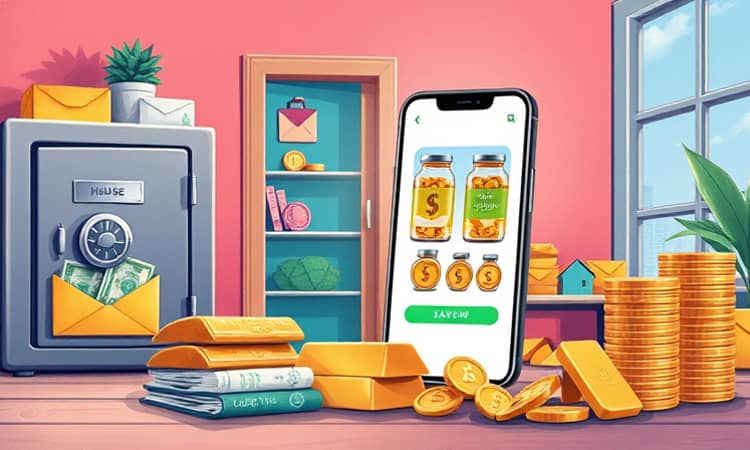
Services such as HyperJar, Qube Money, and Goodbudget allow you to create virtual “jars” or “pots,” then allocate funds instantly. These platforms support both manual and automated transfers, streamlining your routine.
With features like automatic bill payments and spending caps per pot, you experience real-time digital budget tracking, ensuring rent, groceries, and leisure expenses stay within defined limits.
Moreover, digital setups help maintain a clear audit trail, simplifying end-of-month reviews and tax reporting in ways analog systems cannot match.
Some apps even notify you when a pot is running low, prompting timely top-ups or adjustments. Features like retailer-specific lockdowns ensure you cannot dip into funds earmarked for rent or bills at unauthorized merchants.
Safe and Secure: Physical Storage Solutions
When storing larger sums or valuables, enhanced security measures are crucial. The right solution balances accessibility with protection against theft, fire, and water damage.
Choosing the right option depends on how often you need access and the level of security you require.
For emergency cash, a well-anchored home safe offers both convenience and protection. If you’re storing long-term reserves or valuables, a safe deposit box or private vault may better suit your needs.
Diversifying with Digital Assets and Investments
Beyond holding physical cash, consider diversifying into digital and alternative assets for potential growth and added security.
Cryptocurrency wallets—hardware devices or secure software applications—let you store Bitcoin, Ethereum, or stablecoins. Pairing a hardware wallet with cold storage minimizes hacker theft and digital fraud risks, but always maintain secure backups of your recovery keys.
Peer-to-peer lending platforms connect you directly with borrowers, often offering higher interest rates than standard savings accounts, though with default risks and limited investor protections.
Alternative assets like gold coins, silver bullion, art, or fractional real estate investments can hedge inflation. These require secure custodial arrangements or insurance-backed storage to protect their value over time.
Regardless of which assets you choose, maintain an ongoing review schedule to rebalance your holdings and adapt to new market conditions.
Emerging Trends in 2026 Cash Management
The cash handling industry is advancing rapidly to meet consumer and business needs. Smart safes and cash recyclers now process deposits automatically, redistributing cash for ATMs and registers within hours.
These innovations can reduce operational costs by up to 50% on handling costs and accelerate next-day settlements—critical for small businesses managing tight cash flows.
Retail-based “Bank in a Box” kiosks are emerging as all-in-one financial hubs, offering deposits, change dispensing, and ATM withdrawals without traditional bank visits.
Shared deposit networks allow consumers to deposit cash at participating retailers, expanding access beyond bank branches and ATMs.
As governments prioritize cash as critical infrastructure, investments in resilience and accessibility ensure that physical currency remains a viable lifeline during emergencies.
Choosing the Right Mix: A Decision Framework
Selecting the ideal storage strategy involves assessing several key dimensions:
- Security: Encryption, physical anchoring, and surveillance
- Accessibility: Immediate home access versus limited bank hours
- Reputation: Provider track records and customer reviews
- Backup: Redundant keys and data recovery plans
- Scalability: Suitability for your cash volume
- Diversification: Spreading risk across multiple methods
By carefully evaluating these factors against your personal goals, you can assemble a resilient and flexible cash management system tailored to your lifestyle.
Conclusion: Crafting Your Hybrid Strategy
Transitioning beyond a single bank account model empowers you to control your finances more effectively. Implementing a blend of diversified non-bank cash solutions—envelope budgeting, digital jars, home safes, and alternative assets—safeguards your funds from singular points of failure.
Begin by experimenting with one or two methods, monitor results, and iteratively refine your approach. Consult financial advisors for complex asset allocations and periodically revisit your plan to adapt to market developments.
Empower yourself with knowledge, stay proactive, and celebrate each milestone as you refine your personalized cash strategy. In 2026’s dynamic landscape, a thoughtfully balanced portfolio ensures your cash remains accessible, secure, and poised for growth.