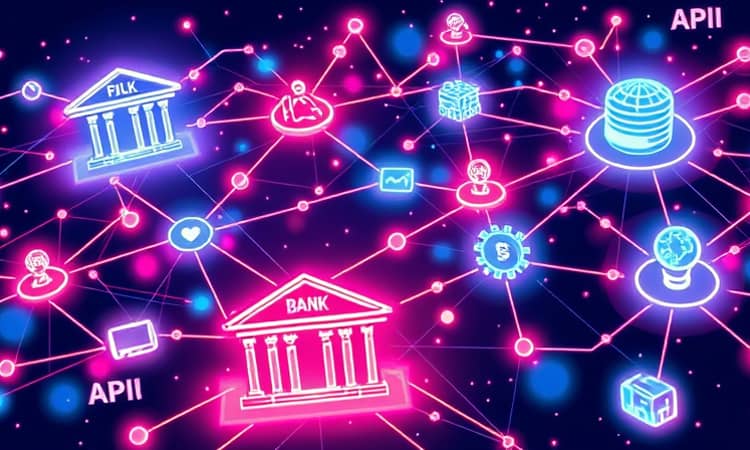
The rise of application programming interfaces has transformed finance, enabling seamless innovation and collaboration across organizations.
What Is the API Economy?
The API economy refers to the ecosystem where organizations create, distribute, and monetize value via application programming interfaces. Beyond code, it represents an economic and strategic business asset that fuels platform interactions.
APIs establish secure and standardized communication between disparate software systems, unlocking efficiencies. They enable companies to share data and functionality both internally and externally, paving the way for new products without rebuilding core infrastructure.
Why APIs Are Critical to the Future of Finance
Financial services are undergoing radical change. Traditional monolithic systems are giving way to modular, API-driven architectures that allow for rapid experimentation and deployment.
Open Banking and Embedded Finance exemplify this shift. Through open APIs, banks expose customer data securely to third parties, while retailers and apps integrate payments, lending, and insurance directly into their user experiences.
This plug-and-play service deployment approach not only accelerates innovation but also democratizes access to financial capabilities, allowing startups and non-banking brands to compete on equal footing.
Use Cases and Real-World Examples
- Payments APIs: Local and cross-border transactions, FX settlement, and real-time reconciliation.
- Digital Wallet APIs: Multi-currency accounts and peer-to-peer transfers embedded in consumer apps.
- KYC/AML APIs: Automated identity verification and anti-money laundering checks.
- Analytics & Risk APIs: Real-time fraud detection and credit scoring for instant decisioning.
- Open Finance APIs: Secure data sharing for budgeting, financial management, and account aggregation.
Leading platforms illustrate API power. Uber integrates Google Maps rather than building its own navigation; Postmates uses Square’s payment APIs to streamline order processing. In finance, buy-now-pay-later providers embed point-of-sale lending across e-commerce sites using banking APIs.
Platformification: From Banks to Ecosystems
Banks are evolving into open platforms that support third-party innovation instead of maintaining closed infrastructures. This platformification turning banks into open ecosystems fosters collaboration, enabling developers to build financial solutions on existing networks of trust.
API marketplaces further accelerate growth. These digital storefronts let developers discover, test, and purchase API services, creating new revenue streams for providers and speeding integration for users.
Monetization Strategies
- Direct Monetization: Charging per request, tiered access, or subscriptions based on usage.
- Indirect Monetization: Offering free APIs to drive ecosystem adoption, gather data, and upsell advanced services.
- Platform Growth: Embracing an open platform model to attract developers and partners, increasing stickiness and long-term value.
Choosing the right model depends on strategic goals. Some institutions focus on immediate revenue, while others prioritize scale and innovation by subsidizing API access.
Key Benefits and Opportunities
- Speed and Agility: Rapid deployment of new financial services replaces slow integrations.
- Scalability and Cost Reduction: Modular APIs allow systems to handle high transaction volumes with lower incremental costs.
- Ecosystem Expansion: Collaboration between banks, fintechs, and enterprises fosters novel revenue models.
- Enhanced User Experience: Instant, seamless, embedded financial services meet customer expectations.
Organizations that embrace APIs can swiftly introduce features like instant payments, dynamic credit lines, and personalized financial advice, enhancing customer loyalty and opening new markets.
Technical and Regulatory Challenges
Despite the promise, API adoption brings risks. Exposed endpoints increase security vulnerabilities, from broken object-level authorization to data leaks. Robust governance and lifecycle management are essential to maintain integrity and performance.
Regulatory compliance remains a hurdle. Finance APIs must adhere to GDPR, PSD2, and KYC/AML standards, often slowing time to market. Smaller firms may struggle to meet these requirements without significant investment.
Market concentration poses another risk. Large platforms can dominate ecosystems, creating lock-in and stifling competition. Addressing these tendencies requires transparent policies and open standards.
The Future: AI, API Marketplaces, and Ubiquitous Finance
Emerging trends promise to deepen API impact. AI-powered APIs will deliver smarter financial insights and automation, enabling personalized advice, predictive risk assessments, and intelligent fraud prevention.
API marketplaces will grow more sophisticated, integrating discovery, testing, monitoring, and billing in single platforms. As finance becomes embedded in every digital interaction, APIs will drive the creation of invisible yet omnipresent financial services that operate seamlessly across devices and contexts.
Conclusion: A New Era Powered by APIs
The API economy is not merely a technological trend but the foundation for the next generation of finance. By transforming banks into open platforms, enabling embedded services, and accelerating innovation, APIs are reshaping how organizations create and capture value.
Embracing modular and scalable services approach will be essential for institutions seeking growth and relevance in an increasingly digital world. As AI and marketplaces mature, finance will become an invisible force woven into every aspect of daily life, delivering convenience, security, and personalized experiences at unprecedented scale.
Organizations that invest in robust API strategies today will lead the financial ecosystems of tomorrow, driving collaboration, innovation, and economic prosperity worldwide.